The Quiet Side of India: A Trip to Ziro Valley
There are corners of our vast world that remain largely unsung, tucked away from the clamour of popular itineraries. Ziro Valley, nestled deep within the verdant embrace of Arunachal Pradesh in India’s far northeast, is undoubtedly one such place. For many, its name might not even register, yet here thrives a culture as captivating as any ancient tale: the Apatani tribe, whose elders bear the fading artistry of facial tattoos and nose plugs, and whose very way of life is intertwined with the ingenious poetry of rice-fish farming.
Why It’s Been Overlooked
Ziro’s relative obscurity isn’t by accident, nor is it due to any lack of charm. Its location, perched on a high plateau in the Eastern Himalayas, naturally lends itself to isolation. For decades, Arunachal Pradesh itself was a region of restricted access, necessitating special permits even for Indian citizens, let alone international travellers. This inherent remoteness, combined with a lack of the kind of aggressive tourism promotion seen in more established destinations, has allowed Ziro to quietly retain its unique character.
It’s a valley that simply hasn’t clamoured for attention, content to nurture its traditions away from the gaze of the wider world. And perhaps, for the discerning traveller, this is precisely where its allure truly begins: in its unspoiled authenticity, its gentle rhythms, and the profound sense of discovery it offers.
What Makes It Worth the Detour
To journey to Ziro is to step into a living tapestry of culture and nature. What truly sets this valley apart, making it an experience unlike any other, is the Apatani people and their profoundly sustainable way of life.
The first thing that often strikes a visitor, particularly an observer of human history and tradition, are the elderly Apatani women with their distinctive facial tattoos, known as yaping hullo, and the large wooden nose plugs, or tippei. This striking practice, though no longer continued by younger generations, was once a marker of identity and, according to lore, a way to protect the women from abduction by rival tribes. To meet these matriarchs, their faces etched with the stories of generations and their traditions, is to witness a fading, yet powerful, chapter of human heritage. Their wisdom and quiet resilience are palpable, their hospitality often extended with a warmth that transcends language.
Then there is the marvel of their agricultural system. The Apatanis are pioneers of a unique wet rice cultivation system that is a UNESCO tentative site, where rice and fish are cultivated together in the same fields, without the use of farm animals or modern machinery. The intricate network of irrigation channels, fed by streams and rivers, demonstrates an astonishing understanding of hydrology and ecology. Walking through these emerald green terraces, where tiny fish dart amongst the rice stalks, is to witness a harmonious symbiosis between humanity and nature, a testament to sustainable living that predates modern environmentalism.
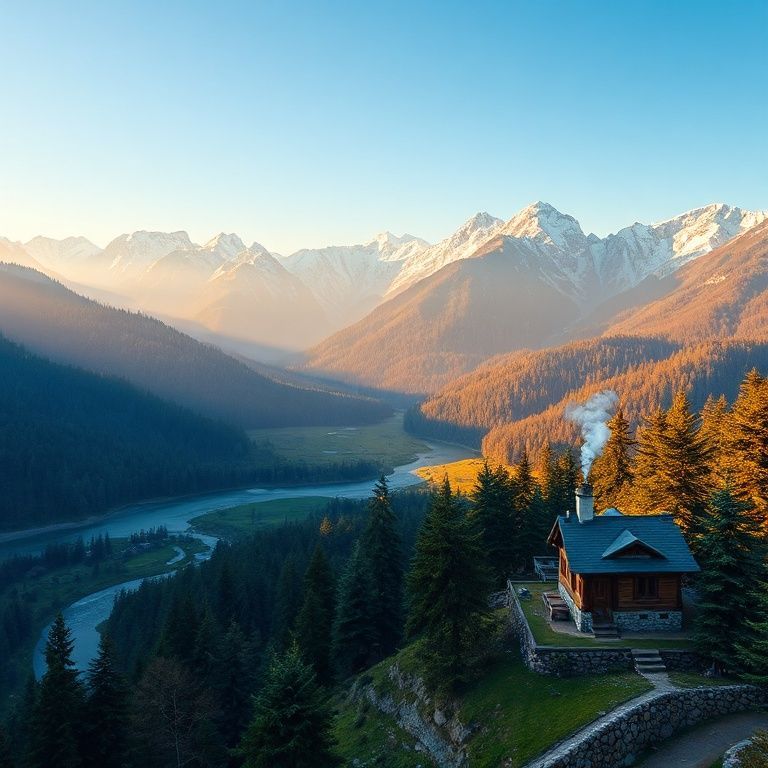
Beyond these profound cultural insights, Ziro itself is a canvas of breathtaking natural beauty. Imagine rolling hills clad in dense pine forests, gently sloping valleys carpeted in vibrant green, and the crisp, clean air carrying the scent of earth and mist. The mornings often begin shrouded in a ethereal fog that slowly lifts to reveal sweeping vistas, while the evenings bring a quietude broken only by the chirping of crickets and the murmur of distant streams. It’s a landscape that invites slow exploration, contemplation, and a deep breath of fresh mountain air.
While the valley holds ancient roots, it also embraces a modern pulse through the internationally acclaimed Ziro Music Festival. Held annually, it transforms a part of the valley into a vibrant hub for independent music from across India and beyond. This fusion of age-old traditions and contemporary artistic expression creates a unique dynamic, offering a fascinating contrast for visitors.
Practical Basics
For those drawn to Ziro’s quiet allure, a few practical considerations will ensure a smooth journey. The best time to visit Ziro Valley is typically from March to October, when the weather is most pleasant, the paddy fields are lush and green, and the mist adds an almost magical quality to the landscape.
Reaching Ziro involves a bit of an adventure. The nearest major airport is in Guwahati, Assam, from where one can take an overnight train or bus to Naharlagun (near Itanagar), and then a scenic drive to Ziro. Alternatively, taxis can be hired directly from Guwahati. The journey itself offers glimpses of the changing landscape, a prelude to the beauty that awaits.
Accommodation in Ziro is primarily in charming homestays and guesthouses. These offer not just a place to rest, but an opportunity to live alongside local families, sharing meals and insights, adding immeasurable depth to your experience. It’s a chance to truly immerse yourself in Apatani hospitality. Regarding safety, Ziro is generally a very peaceful and safe destination; however, respectful interaction with local customs and traditions is paramount.
Crucially, both Indian and foreign nationals require permits to enter Arunachal Pradesh. Indian citizens need an Inner Line Permit (ILP), while foreign visitors need a Protected Area Permit (PAP). These can be obtained online or from designated government offices in major cities like Delhi, Kolkata, and Guwahati, and are essential for your visit.
Summary
Ziro Valley is more than just a destination; it’s an experience for the soul, a quiet testament to a way of life that values sustainability, community, and tradition. It calls out to the traveller who seeks genuine connection, who yearns to witness cultures in their authentic setting, and who understands that true richness often lies in the lesser-known corners of the map. To explore Ziro is to uncover a hidden jewel, to walk among living history, and to find a profound sense of peace amidst its gentle hills.
Plan your trip with TourZen.in – real itineraries, trusted local experts, one simple conversation.
Image by: Mark Direen\nhttps://www.pexels.com/@mark-direen-622749