Off the Map: A First Look at Alpujarras Capileira
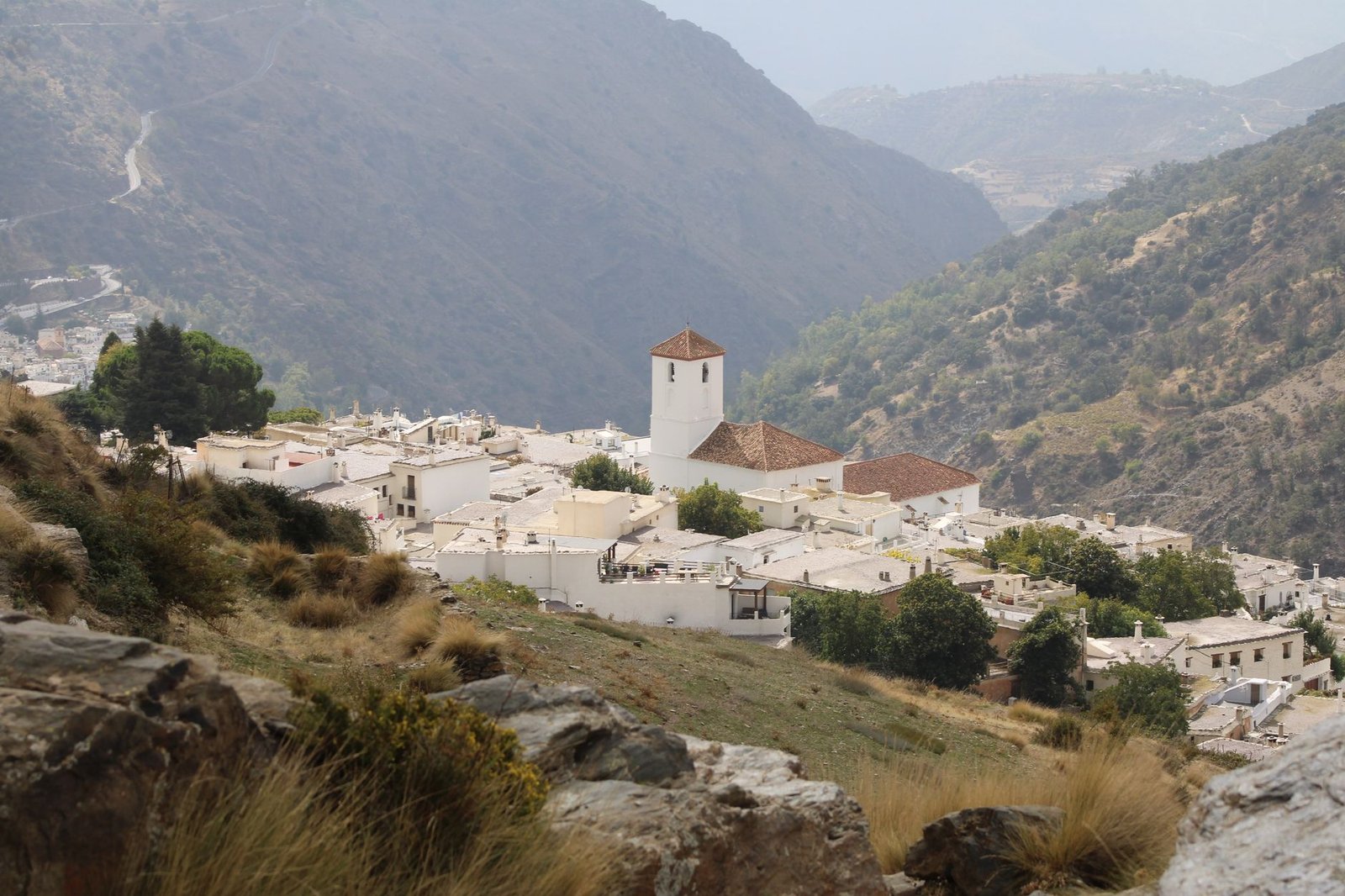
There is a certain magic to places that seem to defy gravity, where human endeavor and nature’s grandeur merge in breathtaking harmony. Such is the Alpujarras, and at its heart, the village of Capileira. Clinging with quiet tenacity to the steep southern slopes of the Sierra Nevada, its whitewashed, Berber-style dwellings cascade down the mountainside like a frozen waterfall, each flat roof and stone wall echoing a history as ancient as the peaks themselves. Two days here is not merely a visit; it is an invitation to step into a quieter rhythm, to breathe mountain air steeped in lore, and to understand a way of life that has gracefully persisted through centuries. It’s just enough time to let the spirit of the place settle deep within your bones.
Day 1
-
Morning: Arrival and the Whispers of Stone
Upon arrival in Capileira, the first order of the day is to simply wander. Let the narrow, cobbled alleyways guide you, revealing hidden fountains and unexpected vistas at every turn. Notice the unique architecture – the flat, slate-roofed houses, the distinct *tinaos* (covered passages) that provide shade and connect homes, and the rustic balconies adorned with vibrant geraniums. This is an architectural lineage directly traceable to the Berber communities who settled these slopes centuries ago, bringing with them building traditions from North Africa. As you climb higher, tracing the paths that were once mule tracks, you’ll feel the village unfold around you, a living museum of stone and tradition. Seek out the Mirador Eras de Aldeire for truly stunning views across the Poqueira Valley to the other white villages of Bubión and Pampaneira, all nestled in their own folds of the landscape.
-
Afternoon: Ancient Waters and Local Flavours
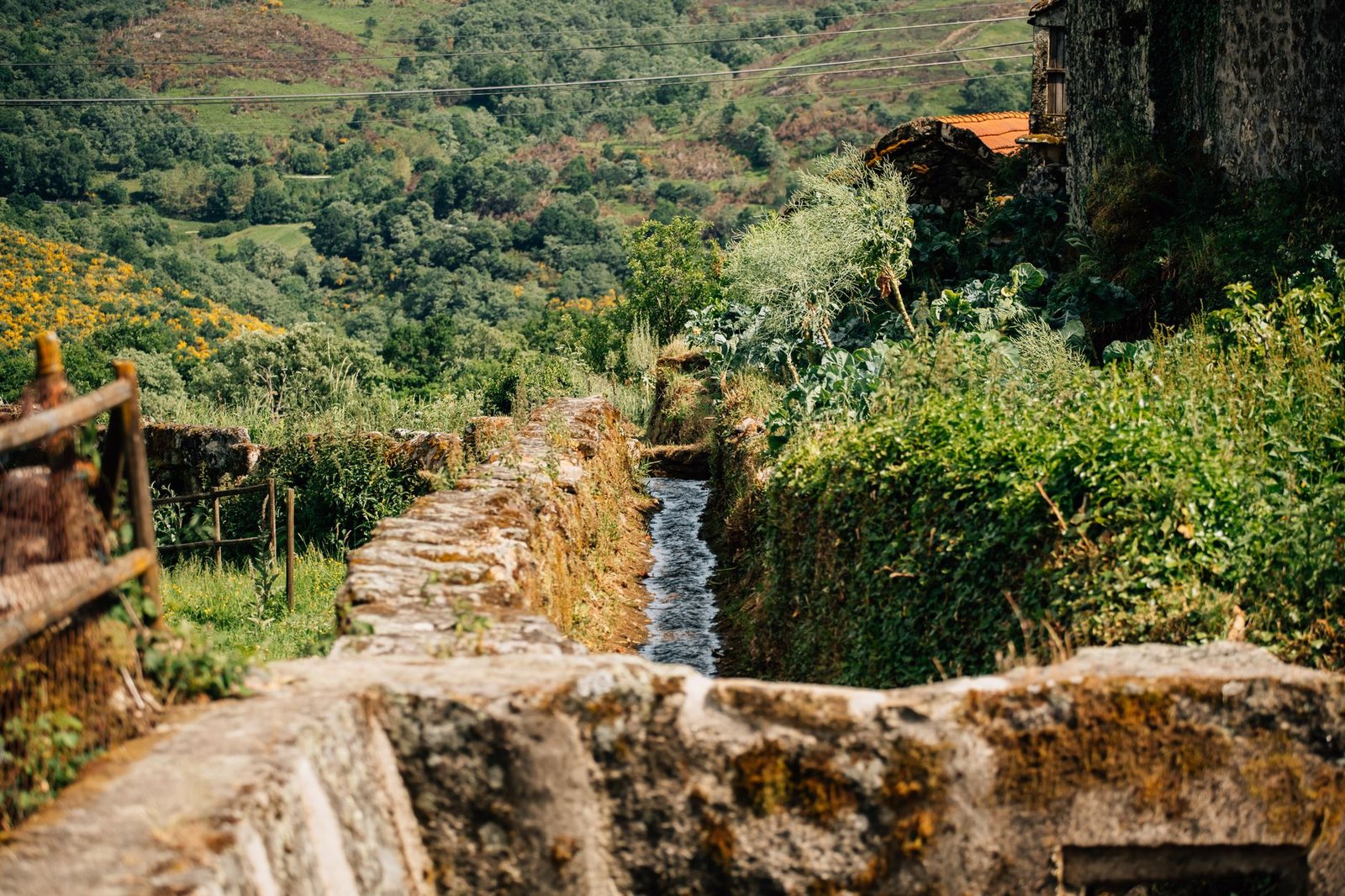
After a morning of exploration, a hearty lunch awaits. Seek out a traditional *venta* or restaurant in the village centre. The cuisine here is robust and honest, born from the bounty of the mountains: think local cured ham (jamón serrano), migas (a humble but delicious dish of fried breadcrumbs, often served with chorizo or peppers), and hearty stews. Afterwards, take a gentle walk along one of the ancient *acequias* – the Moorish irrigation channels that still bring snowmelt from the Sierra Nevada to water the terraced fields. These ingenious systems are a testament to the advanced agricultural knowledge of the region’s former inhabitants and represent a profound connection between the people and their land, a heritage that continues to sustain life here today.
-
Evening: Stories under the Stars
As dusk settles over Capileira, the village takes on a golden hue before the stars begin to emerge in the exceptionally clear mountain sky. Find a spot to watch the sun dip behind the western peaks, painting the heavens in hues of orange and purple. For dinner, perhaps try a different local eatery, savoring the slow pace of life and the camaraderie of a shared meal. This is a time for quiet reflection, for imagining the generations who have lived under these same stars, passing down their stories and traditions. Listen to the gentle sounds of the village settling down, a symphony of crickets and distant voices, and feel the deep sense of peace that permeates this ancient place.
Day 2
-
Morning: Artisan Crafts and Neighbouring Charms
Day two offers an opportunity to delve deeper into the Alpujarran way of life. Consider a gentle hike (or a short drive) to the neighbouring village of Bubión, just a short distance down the valley. Each village in the Poqueira Gorge has its own distinct character, and Bubión is renowned for its artisan workshops. Here, you might discover weavers creating traditional Alpujarran rugs known as jarapas, their looms clattering out rhythms that have been heard for centuries. The vibrant colours and intricate patterns often tell their own silent stories of the landscape and local culture. This is a chance to connect with the living traditions of the region, to see craftsmanship passed down through generations.
-
Afternoon: High Peaks and Hidden Pathways
After experiencing the artisan heart of Bubión, return to Capileira or explore another unique spot. For those with a love for the outdoors, consider taking one of the higher trails accessible from Capileira. While Latha might not be one for strenuous mountain treks, even a short, well-marked path offers unparalleled views and a deeper connection to the raw beauty of the Sierra Nevada. These paths, once vital arteries connecting isolated hamlets, now offer a chance to ponder the hardy lives of those who carved an existence from this rugged landscape. You might stumble upon remnants of old stone shelters or forgotten olive groves, each telling a silent tale of human resilience.
-
Evening: Farewell to the Alpujarras
For your final evening, indulge in a meal that truly captures the essence of the Alpujarras. Perhaps a dish featuring local goat cheese, or another regional specialty. Take a last stroll through Capileira’s illuminated streets, noticing details you might have missed before: an ancient wooden door, a particularly intricate iron grater on a window, or the playful antics of village cats. This is your chance to absorb the final impressions of this unique place, to imprint its quiet beauty and timeless spirit into your memory. The Alpujarras, with its interwoven tapestry of history, culture, and breathtaking nature, leaves a gentle but lasting mark on those who truly take the time to listen to its ancient song.
Getting There & Getting Around
The Alpujarras region, including Capileira, is best visited between May and October when the weather is mild and the mountain trails are most accessible. The nearest major city is Granada, which has an airport and excellent bus connections. From Granada, you can take a bus directly to Capileira, although services may be less frequent on weekends. Renting a car offers the most flexibility for exploring the various villages of the Poqueira Gorge and beyond at your own pace. Once in Capileira, the village itself is small enough to explore entirely on foot, with its narrow streets often inaccessible to vehicles. Comfortable walking shoes are a must for navigating the steep, cobbled lanes.
Summary
Capileira is more than just a destination; it’s an experience that transports you to a bygone era. It’s a place where history isn’t just in books but woven into the very fabric of daily life, where the whispers of ancient cultures echo through every stone and every mountain breeze. For those who seek genuine connection with a place, its past, and its resilient people, a visit to this captivating corner of the Alpujarras is truly unforgettable.
Plan your trip with TourZen.in – real itineraries, trusted local experts, one simple conversation.
Image by: Charlie Jordan\nhttps://www.pexels.com/@cjordan