Meghalaya Living Root Bridges: The Trip Nobody’s Talking About Yet
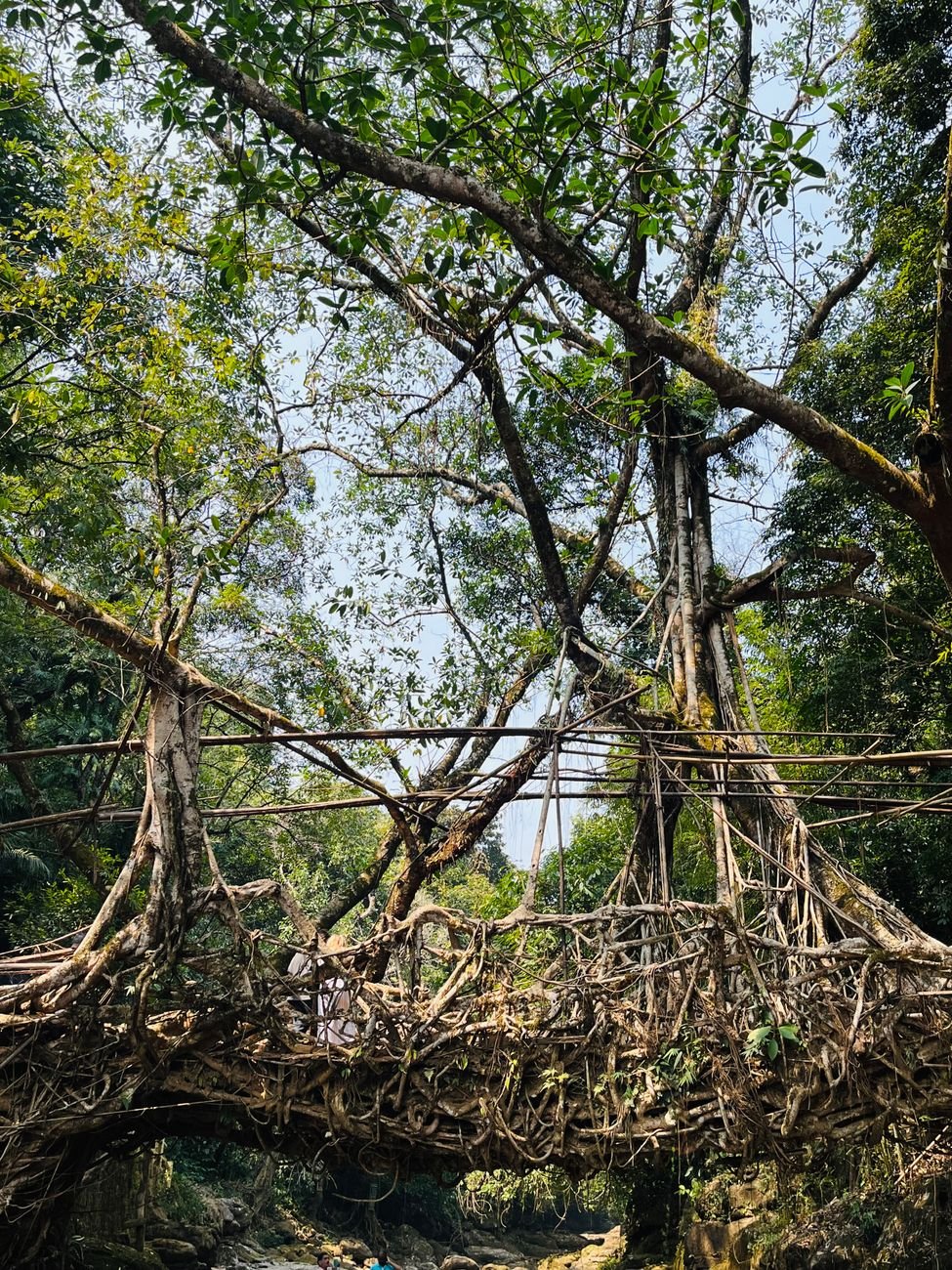
You hear the word ‘bridge,’ you picture concrete, steel, maybe wood. Something static, built, then maintained. But in Meghalaya, deep within its rainforest villages, the bridges aren’t just old; they’re genuinely alive. Still growing, still strengthening, woven over generations by human hands from the aerial roots of rubber fig trees. That’s the logistical reality here: these aren’t ruins, they’re active, biodynamic infrastructure. And two days, managed correctly, is enough to get a grasp on this incredible system and see how it functions day-to-day.
Forget the usual, generic nature trails. This is about seeing a living, breathing connection between communities, and understanding the incredible foresight and ongoing effort required to maintain them. It’s a trip that makes you rethink what infrastructure can even be, especially when you consider connectivity in remote areas. For anyone who thinks about how things *actually* work on the ground, this corner of India is unexpectedly fascinating, and entirely feasible for a short, impactful visit.
Day 1 – The Root of the Matter
-
Morning: Arrival and First Contact
Your entry point to Meghalaya will most practically be Guwahati airport in Assam, which then requires a 3-4 hour taxi ride to Shillong, or directly to Cherrapunjee (Sohra) if your itinerary allows. From Cherrapunjee, the real work begins: reaching the root bridge villages often means hiring a local vehicle and then hiking. Factor this travel time into your planning; it’s not a hop-off-the-plane-and-go situation.
Aim to base yourself near villages like Tyrna or Nongriat. The trek into these areas, while not overly strenuous for someone with moderate fitness, is definitely a proper walk. You’ll descend through forests, navigating stone paths and steps, getting your first real sense of the humidity and the scale of the landscape. It’s not a leisurely stroll; this is a functional journey into a very specific ecosystem.
Your reward is often the Riwai Living Root Bridge, a fantastic introduction to these wonders. It’s robust, well-maintained, and active, demonstrating how these structures continue to serve their purpose. Observe the sheer scale of the root system, how it’s been guided and intertwined for stability. It’s a testament to community-driven engineering, not some forgotten relic.
-
Afternoon: Village Immersion & Connectivity
After experiencing your first living bridge, take time to explore the surrounding Khasi villages. This isn’t a theme park; these are homes, schools, and daily lives unfolding. You’ll notice how integrated the bridges are into the routine of these communities. Connectivity, in places like these, is a tangible, physical lifeline.
Engage with locals, perhaps over a simple meal if opportunities arise. Understanding the challenges and ingenuity of life here is key. You’ll see the ongoing maintenance of the bridges, a subtle but constant effort. This isn’t just about admiring nature; it’s about appreciating a living, working partnership between humans and their environment.
-
Evening: Unplugging (Mostly)
Accommodation in these remote villages is typically basic guesthouses or homestays. Don’t expect five-star amenities or blazing-fast Wi-Fi. This is where the logistical reality hits: you’re off-grid, or at least mostly. Power outages can happen, and mobile data can be spotty. Use the evening to rest, reflect, and prepare for Day 2. It’s a chance to truly disconnect, whether you planned to or not, which can be surprisingly refreshing.
Day 2 – Deeper into the Roots
-
Morning: The Iconic Double Decker
Day two is dedicated to the famous Double Decker Living Root Bridge (Umshiang Bridge) in Nongriat. This requires a more significant trek, involving numerous steps down (and back up!), often passing through other root bridges and across clear rivers. It’s physically demanding, a proper hike, but entirely manageable if you’re fit and take your time.
Seeing the Double Decker is an experience that underscores the incredible multi-generational commitment. Two layers of root bridges, one above the other, demonstrate an unparalleled level of planning and patience. It’s an architectural marvel built by nature and guided by humans. Consider hiring a local guide for this trek; their knowledge of the terrain and the bridges is invaluable, and it directly supports the local economy.
This isn’t just about pretty pictures; it’s about seeing a functional, resilient structure that has stood for decades, adapting and growing with its environment. Think about the engineering principles at play, entirely organic and sustained.
-
Afternoon: Return Journey and Practical Considerations
After spending ample time at the Double Decker, begin your ascent back towards your base village. The climb out is where your fitness will be tested, so stay hydrated and pace yourself. This leg of the journey offers another chance to appreciate the dense rainforest environment and the isolation of these communities.
Once you’ve returned, ensure your logistics for departure are confirmed. Whether you’re heading back to Cherrapunjee, Shillong, or directly to Guwahati, confirm your taxi or shared jeep arrangements. Mobile signals might be intermittent, so having everything sorted beforehand reduces last-minute stress. Remember, in remote areas, confirmed transport is a luxury you need to secure.
-
Evening: Reflecting on Resilient Infrastructure
As you prepare to leave Meghalaya, take a moment to process what you’ve seen. These aren’t just tourist attractions; they are vital, living infrastructure that requires constant, generations-long attention. The trip isn’t just about viewing natural wonders; it’s about understanding a unique, sustainable approach to building and living in harmony with an environment. It’s a pragmatic lesson in resilience and human ingenuity, entirely removed from the typical, manufactured experiences of most travel destinations.
Getting There & Getting Around
The most practical approach involves flying into Guwahati, Assam (GAU), which is the nearest major airport. From Guwahati, you can hire a private taxi directly to Cherrapunjee (Sohra) or Shillong, a journey of approximately 3-4 hours, depending on traffic and road conditions. Shared jeeps are also an option, more economical but less flexible.
Once in Cherrapunjee, local taxis or shared jeeps will take you as far as the trailhead villages like Tyrna. From there, your own two feet are the primary mode of transport. The treks to the root bridges are demanding, involving many steps and varied terrain. While local guides are not always mandatory, they are highly recommended for navigation, safety, and cultural insights, especially for the longer treks.
Be prepared for the terrain: sturdy hiking shoes are non-negotiable, and a daypack with water, snacks, and a basic first-aid kit is essential. Connectivity can be patchy, so downloading offline maps and having contingency plans for transport and communication is just good practice.
Summary
Visiting Meghalaya’s Living Root Bridges is an experience that genuinely stands apart from typical travel itineraries. It’s a trip focused on understanding a unique, biodynamic form of infrastructure that’s still actively growing and serving communities. This isn’t just a picturesque trek; it’s an opportunity to observe ingenuity, resilience, and a profound, long-term commitment to sustainability.
For those looking for a practical, impactful trip that delivers more than just surface-level beauty, Meghalaya offers a compelling experience. The best time to visit is from October to April, when the weather is drier and trekking conditions are more favorable. It’s a destination that requires a bit of logistical planning and physical effort, but the payoff is a direct engagement with a truly living marvel that few other places in the world can offer.
Plan your trip with TourZen.in – real itineraries, trusted local experts, one simple conversation.
Image by: pragati\nhttps://www.pexels.com/@pragati-2148482155