48 Hours in Spiti Valley – An Insider’s Route
Alright, listen up. If you’re anything like me, you’ve probably seen a hundred travel blogs kicking off with “Nestled in the heart of…” or “Are you looking for…” and you’ve probably scrolled past them just as fast. We’re not doing that today. Because Spiti Valley isn’t just “nestled” anywhere; it’s practically on the moon, plonked smack dab in the middle of the Himalayas, and trust me, it’s going to mess with your head in the best possible way.
This isn’t a place you tick off a list. This is a place you absorb. It’s high-altitude isolation, lunar landscapes, and ancient monasteries that feel like they’ve been carved directly from time itself. Two days here? It’s a challenge, sure, but entirely doable if you’re smart about it. And frankly, a whirlwind 48 hours in Spiti is better than zero hours in Spiti. It’s enough to get that awe-struck feeling, to breathe that thin, crisp air, and to capture some truly unbelievable moments.
Forget your bustling markets and flashy sights. Here, the magic is in the silence, the vastness, and the incredible light that paints this cold desert valley. So, pack light, prepare for some serious elevation, and let’s go chase some Himalayan magic without blowing the budget.
Day 1: Kaza’s Embrace and Monastery Horizons
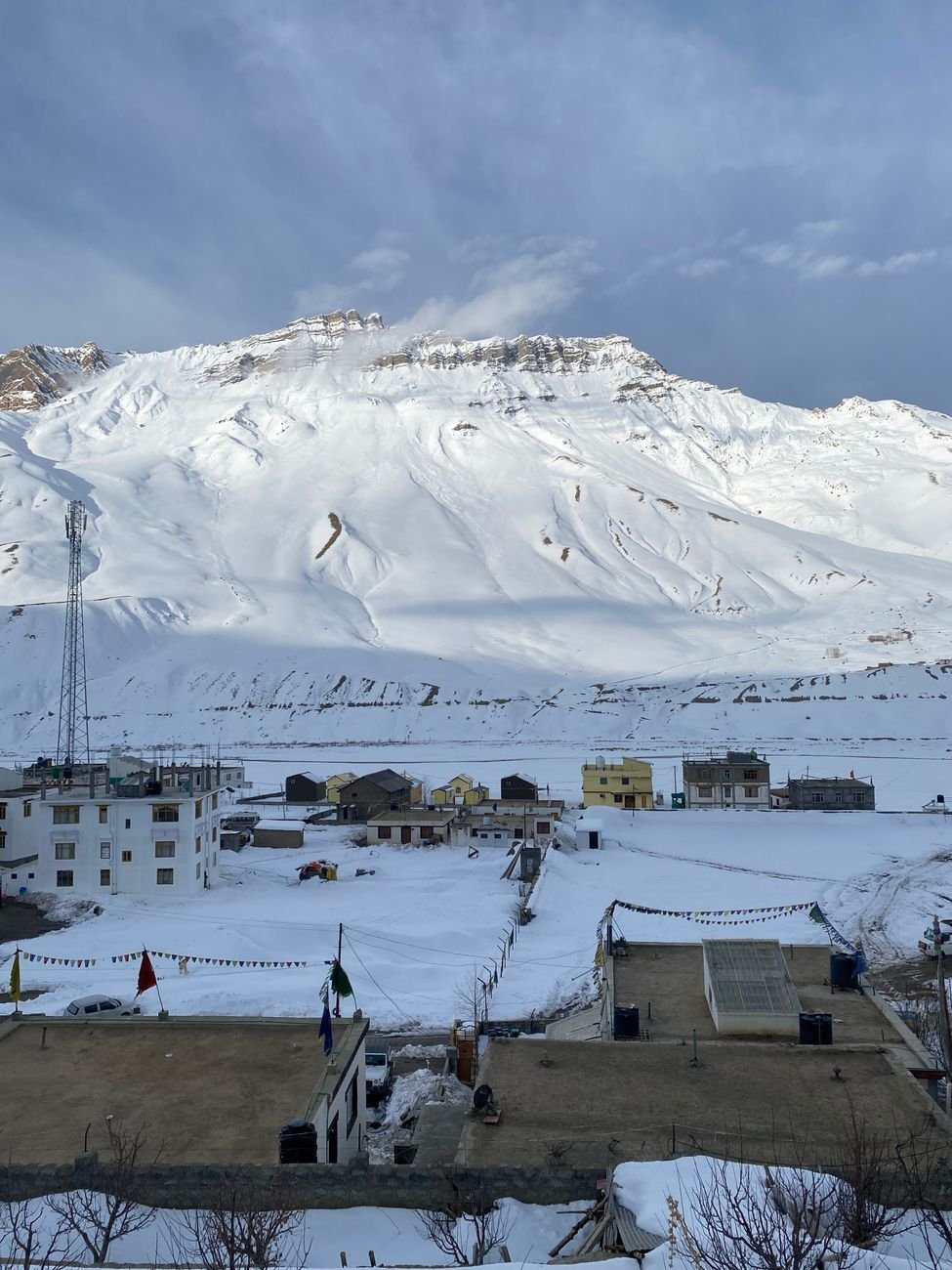
Your base for this rapid immersion will likely be Kaza, the region’s main town. Don’t expect a metropolis; it’s more of a vibrant hub in a sea of quiet. It’s where you’ll acclimatize, grab some grub, and plan your moves. Arrive early, ditch your pack at a guesthouse (plenty of affordable, comfy spots around), and get ready to hit the road. Acclimatization is key here – seriously, don’t rush it on day one. Sip that water, take it easy.
Morning: Key Monastery’s Grandeur
First up, head to Key (Kye) Monastery. It’s the poster child of Spiti for a reason, perched dramatically on a hilltop, looking like a fortress carved by the gods themselves. Get there in the morning when the light is still soft and golden, illuminating the valley below. From the winding road leading up, you’ll find incredible vantage points for those wide-angle shots – the monastery dominating the landscape, a tiny speck against the vastness. Inside, the quiet reverence, the ancient thangkas, and the chanting monks are a stark contrast to the stark beauty outside. It’s a place that just feels… old. Really, really old.
Afternoon: World’s Highest and Beyond
From Key, point your wheels towards the triumvirate of high-altitude villages: Langza, Hikkim, and Komic. This is where the lunar landscape really kicks in. Langza, with its iconic Buddha statue gazing over the valley, offers an almost surreal photo op, especially if you catch a few clouds casting dramatic shadows. Hikkim is home to the world’s highest post office – send a postcard, seriously. It’s a cheap, unique souvenir. Komic, reputedly the highest motorable village, feels like the edge of the world. The starkness of these villages, the prayer flags fluttering against the deep blue sky, and the incredible quiet make for some truly contemplative moments (and some killer photos when the light starts to soften in the late afternoon).
Evening: Starry, Starry Nights
As the sun dips below the jagged peaks, find a quiet spot outside Kaza. The lack of light pollution here is a blessing. The Milky Way will stretch across the sky like a glittering highway, clearer than you’ve ever seen it. If you’re into astrophotography, this is your moment. Even if you’re not, just lie back and watch. It’s free, it’s humbling, and it’s spectacular. Grab some simple local food in Kaza – thukpa, momos – cheap and delicious fuel for tomorrow’s adventures.
Day 2: Ancient Whispers and Verdant Valleys
Wake up early, the mountain air will invigorate you (or just make you crave another hot chai). Today, we’re heading deeper into Spiti’s soul.
Morning: Tabo and Dhankar’s Majesty
Head south from Kaza towards Tabo Monastery. This one’s different. It’s not perched dramatically; it’s nestled in the valley floor, an ancient mud-brick complex that’s over a thousand years old. The murals inside are simply breathtaking, a window into another era. Morning light filtering into the ancient prayer halls is a quiet, spiritual experience. After Tabo, make your way to Dhankar Monastery. This one *is* dramatic. It clings precariously to a cliff edge, overlooking the confluence of the Spiti and Pin rivers. The views from up here are insane, a true testament to human ingenuity and faith. Don’t just snap a picture and leave; walk around, feel the wind, and imagine the monks who lived here centuries ago.
Afternoon: Pin Valley’s Contrasts
From Dhankar, take a detour into the Pin Valley. This is where Spiti shows a different side. While still high-altitude, Pin Valley often feels a little greener, a touch softer, especially if you’re there during the summer. It’s a vibrant contrast to the barren moonscape of central Spiti. Villages like Mudh, at the end of the valley, are charming and offer a glimpse into a more pastoral way of life. The light here in the afternoon can be particularly beautiful, highlighting the varied textures of the mountains and the splashes of green.
Practical Basics (The “Don’t Be Stupid” Section)
- Best Time to Visit: May to September. Outside of this, roads might be closed due to snow. This isn’t a winter wonderland you can just waltz into unprepared.
- Acclimatization: I’ve said it once, I’ll say it again: this is crucial. Spiti is high. Very high. Take it easy the first day. Hydrate like your life depends on it (it kinda does). Listen to your body.
- Connectivity: Spotty at best. Don’t expect blazing fast internet or even consistent phone signals. Embrace the digital detox. Inform your folks you’ll be off-grid.
- Accommodation: Guesthouses and homestays are your best bet. They’re usually clean, basic, and incredibly welcoming. You won’t break the bank, and you’ll get a taste of local life.
- Transport: Shared taxis are common and cost-effective. Local buses are even cheaper but operate on their own schedule (which often involves a lot of waiting). If you’re really pinching pennies, hitchhiking is sometimes an option, but don’t rely on it.
- Costs: Spiti is incredibly budget-friendly once you’re there. Food is simple and cheap, accommodation is reasonable, and the views are free. Your biggest expense will be getting there.
- Inner Line Permit: Depending on your nationality and entry point, you might need an Inner Line Permit. Check the latest rules before you go; it’s usually sorted in Kaza or Reckong Peo.
Summary
So there you have it. Forty-eight hours in Spiti Valley. It’s a quick hit, a snapshot, but it’s enough to feel the incredible pull of this isolated, ancient land. It’s not about seeing everything; it’s about *feeling* something profound. The silence, the scale, the deep history – it gets under your skin. And who knows, maybe this quick trip will just be the first chapter, leaving you itching to come back for more. Because trust me, once you’ve been to the moon, you’ll always want to return.
Plan your trip with TourZen.in – real itineraries, trusted local experts, one simple conversation.
Image by: Matthew Solomon\nhttps://www.pexels.com/@matthew-solomon-1926194