First-Time Guide to Fiji: What to Know Before You Go
Planning a trip to Fiji means preparing for a classic South Pacific island escape. It’s a destination known for its warm hospitality and stunning coral reefs. To ensure your trip is smooth and enjoyable, you need to understand the practicalities before you depart. This guide will cover what you should and should not do, helping you prepare properly for your first visit.
Do’s
-
Do Plan Your Inter-Island Travel in Advance. Fiji is an archipelago. If you intend to visit multiple islands, which many do to experience diverse landscapes and reefs, you must arrange your ferries, seaplanes, or domestic flights ahead of time. Options can be limited, especially during peak season (May-October), and last-minute bookings often mean higher prices or no availability. Research your routes and book well in advance to avoid unnecessary stress or disruptions to your itinerary.
-
Do Familiarise Yourself with Local Customs. Fijians are known for their warm hospitality. Greeting locals with a cheerful “Bula!” (hello) goes a long way. When visiting villages, it is respectful to dress modestly – shoulders and knees covered – and to remove your hat, as wearing one in a village can be seen as disrespectful to the chief. Always ask permission before taking photographs of people or within a village. Understanding and respecting these simple customs will enhance your experience and show appreciation for their culture.
-
Do Protect Yourself from the Sun. The Fijian sun, particularly between 10 AM and 4 PM, is very strong. sunburn can quickly ruin a vacation. Apply high-SPF, reef-safe sunscreen generously and frequently. Wear a wide-brimmed hat, sunglasses, and lightweight, long-sleeved clothing, especially if you plan to spend extended periods outdoors or on the water. Seek shade during the hottest parts of the day. Hydration is also crucial; drink plenty of water to prevent dehydration.
-
Do Stay Hydrated and Be Mindful of Water Sources. While some resorts offer purified water, it’s generally advisable to stick to bottled water for drinking. If you are staying in less developed areas, always confirm if the tap water is potable. Dehydration can happen quickly in the tropical climate, so carry a reusable water bottle and refill it whenever safe options are available. This is a simple precaution that prevents common travel ailments.
-
Do Learn About Marine Conservation. Fiji’s coral reefs are a major draw. Many areas are protected, and sustainable tourism is encouraged. If you plan to snorkel or dive, choose tour operators committed to responsible practices. Avoid touching coral or other marine life, and ensure any sunscreen you use is reef-safe to prevent damage to the delicate ecosystem. Understanding your impact helps preserve these natural wonders for future visitors.
-
Do Carry Small Denominations of Local Currency. While credit cards are accepted in major resorts and larger towns, smaller shops, markets, and local vendors often operate on a cash-only basis. Having Fijian Dollars (FJD) in small denominations is practical for minor purchases, tips, and transport. ATMs are available in larger centres, but their availability decreases on smaller islands. Be prepared to pay for local experiences with cash.
Don’ts
-
Don’t Forget Comprehensive Travel Insurance. Travel insurance is not an optional extra; it is a necessity. Unexpected medical emergencies, trip cancellations, lost luggage, or diving accidents can lead to significant financial burdens. Ensure your policy covers all your planned activities, especially if you intend to participate in adventure sports like diving or surfing. Verify that medical evacuation is included, as healthcare facilities can be limited on outer islands.
-
Don’t Be Reckless with Your Valuables. While Fiji is generally a safe destination, petty crime can occur, particularly in urban areas and tourist hotspots. Do not leave valuables unattended on beaches or in unlocked rooms. Use hotel safes for passports, large sums of cash, and expensive electronics. Exercise common sense, especially in crowded areas, and avoid displaying overt signs of wealth. Security starts with your own precautions.
-
Don’t Expect Every Island to Have the Same Amenities. The level of infrastructure and available services varies significantly across Fiji’s islands. Main islands like Viti Levu will have more extensive facilities, while smaller, more remote islands will offer a simpler experience. Research your chosen destination thoroughly to manage expectations regarding internet access, medical services, and banking. A lack of preparation can lead to frustration.
-
Don’t Engage in Public Displays of Affection in Villages. In Fijian culture, public displays of affection, such as kissing or excessive touching, are generally considered inappropriate, especially in village settings. While resorts are more lenient, it is always best to be discreet and respectful of local customs, particularly when interacting with Fijians outside of a tourist environment. Observe local behavior and adjust accordingly.
-
Don’t Underestimate the Power of Ocean Currents. When swimming or snorkeling, especially near coral reefs or in open water, always be aware of currents. Some areas can have strong undertows or rips. Pay attention to local warnings, flag systems, and only swim in designated areas. If you are unsure about water conditions, consult with your resort staff or local experts. Safety in the water is paramount.
-
Don’t Assume All Food is Safe for Consumption. While many resorts maintain high standards, exercising caution with food from street vendors or less reputable establishments is wise. Ensure food is thoroughly cooked and served hot. Opt for fruits and vegetables that you can peel yourself. Common sense around food hygiene can prevent digestive issues, ensuring you enjoy your trip without illness.
Best Time to Experience This
The ideal time to visit Fiji is during its dry season, which runs from May to October. During these months, the weather is typically sunny with lower humidity and less rainfall, making it perfect for outdoor activities like diving, snorkeling, hiking, and island hopping. The seas are calmer, offering excellent visibility for underwater exploration of Fiji’s famous coral reefs. Temperatures are pleasant, usually ranging from 25°C to 29°C. This period is considered peak season, so expect higher prices for flights and accommodation, and book well in advance.
Conversely, the wet season, from November to April, brings higher humidity, more rainfall, and the possibility of tropical cyclones. While travel during this time can mean fewer crowds and lower prices, the weather can be unpredictable, potentially disrupting travel plans. Stick to the dry season for a more reliable and comfortable experience.
Local Tips
-
Embrace the “Fiji Time” Mindset: Things often run at a slower pace in Fiji. Flights might be delayed, restaurant service can be leisurely, and plans may change. Approach your trip with patience and a relaxed attitude. Trying to rush or adhering to a rigid schedule will only lead to frustration. Enjoy the present moment; that is the essence of island life.
-
Try Kava Responsibly: Kava is a traditional Fijian drink with mild sedative properties, often consumed during ceremonies. If invited to a kava ceremony in a village, it’s a unique cultural experience. However, understand its effects can be strong for some. Drink in moderation, and be aware that its consumption can impact your ability to drive or operate machinery.
-
Bargaining in Markets: When shopping at local markets, polite bargaining is often acceptable, especially for handicrafts and souvenirs. However, do so respectfully and with a smile. In larger stores or resort boutiques, prices are usually fixed. Knowing when and how to negotiate can save you money and is part of the local interaction.
-
Support Local: Consider purchasing local handicrafts, dining at locally-owned restaurants, or booking tours with local operators. This directly supports the Fijian economy and provides a more authentic experience. Look for genuine Fijian-made products, and engage with the people who create them.
Summary
Fiji offers an unforgettable escape to the South Pacific with its vibrant coral reefs and genuine, warm hospitality. To ensure your trip is nothing short of exceptional, meticulous planning and respect for local customs are key. By understanding the best time to visit, preparing for travel between islands, and being mindful of your safety and environmental impact, you can navigate this beautiful destination confidently. Heed these practical do’s and don’ts, and you’ll be well-equipped to enjoy Fiji to its fullest, making memories that will last a lifetime.
Plan your trip to this destination with TourZen.in – real itineraries, trusted local experts, one simple conversation.
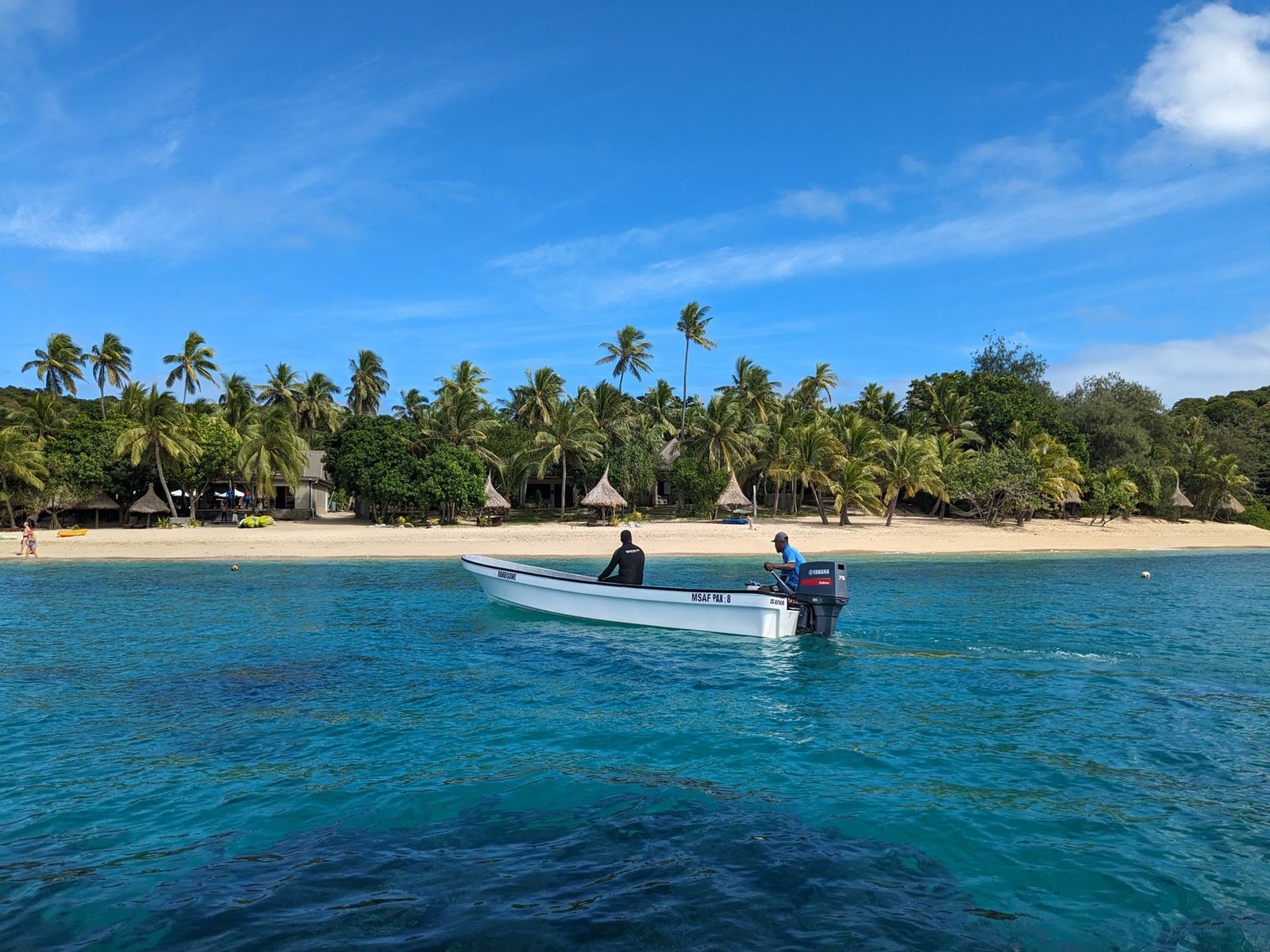
Image by: Martin Škeřík\nhttps://www.pexels.com/@martin-skerik-855863199