A Slow Traveler’s Notes from Andong
The gentle thrum of the bus faded into a soft murmur as I stepped onto the sun-drenched streets of Andong. There’s a particular hush here, a quiet dignity that seems to settle over everything, a world away from the gleaming steel and electric pulse of Seoul. It’s a feeling I’ve come to recognize in places where the past still breathes, unhurried and unburdened by modern haste.
I’ve always been drawn to the echoes of forgotten times, to the stories etched into stone and whispered on the wind. Andong, I knew, was one such keeper of tales, a city renowned as the spiritual heart of Confucian Korea. But it was the promise of a different kind of spirit, a vibrant, playful, and deeply rooted one, that truly called me here: the ancient, captivating tradition of the mask dance.
First Impressions: A City Steeped in Silence and Anticipation
My first stroll through Andong was a revelation in textures and shades. The buildings, many with their elegant tiled roofs and deep eaves, spoke of generations of scholars and artisans. The air itself felt clean, infused with the scent of pine and something else indefinable – perhaps the lingering aroma of ancestral rites, or simply the quiet dignity of history itself. This isn’t a city that clamors for attention; it invites you to slow down, to observe, to listen to the whispers of its past.
I found myself gravitating towards the Andong Imcheonggak House, a grand hanok that stands as a silent testament to a noble lineage and a legacy of independence fighters. One can almost see the scholars bent over their texts, the families gathering in quiet contemplation. It’s these unadorned moments, far from any curated experience, that truly allow a place to reveal its soul.
Getting Oriented: Hahoe and the Lingering Spirits
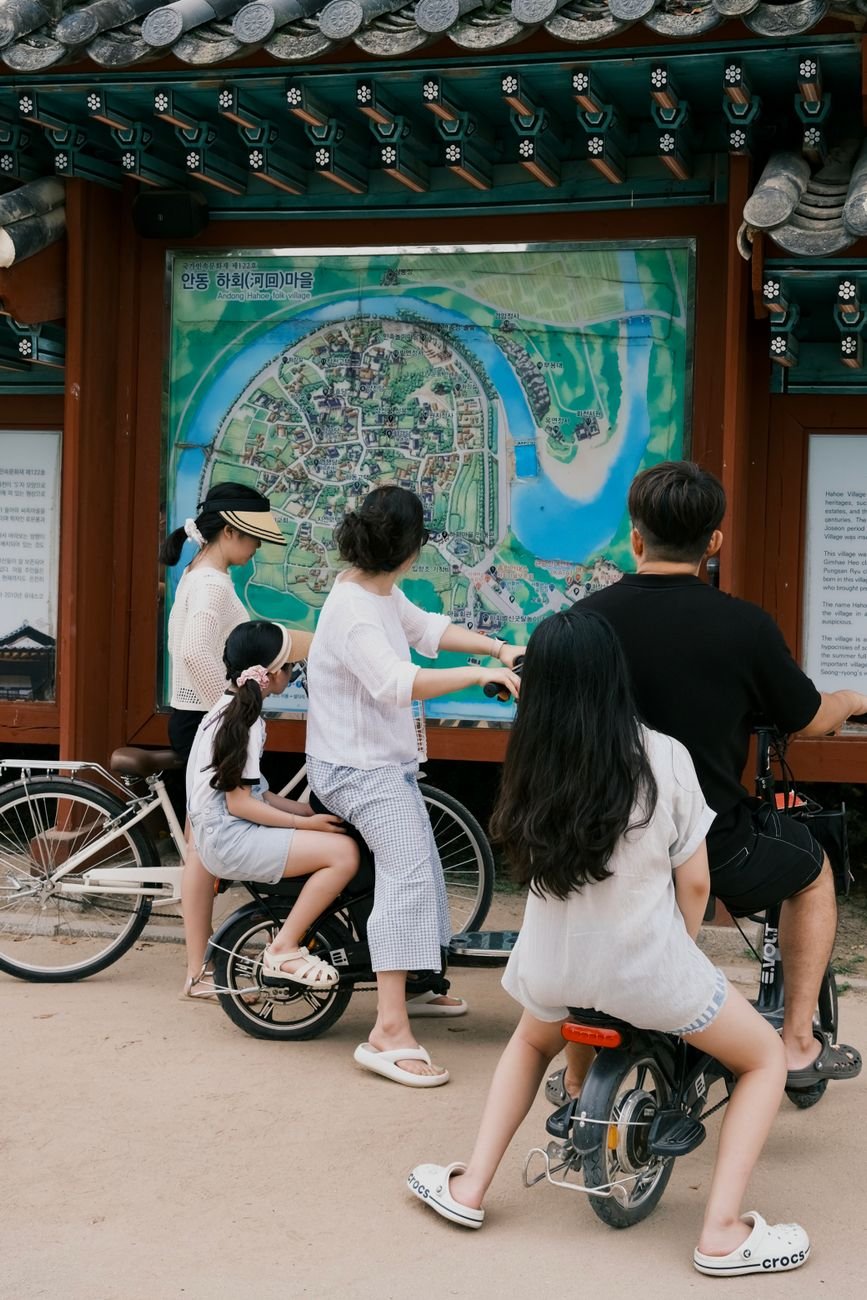
To truly understand Andong is to embrace its connection to Hahoe Folk Village, a UNESCO World Heritage site cradled by the Nakdong River. It felt less like a museum and more like a living, breathing testament to a bygone era. The traditional hanok homes, many still inhabited, lined narrow lanes, their earthen walls and elegant curves a study in understated beauty. Here, I could almost hear the ancestral spirits rustling through the eaves, sense the daily rhythms of generations past.
It’s here, amidst these ancient homes, that the spirit of the Hahoe Byeolsin gut Talnori, the mask dance drama, truly comes alive. The village is the birthplace of these captivating masks and their associated performances, a tradition stretching back over 800 years. The very air seemed to hum with the anticipation of it, a gentle current beneath the calm surface of village life.
The Heartbeat of Andong: A Masked Revelation
And then, it happened. The festival. I had read about the Hahoe masks – the Bune mask with its alluring smile, the Yangban (aristocrat) mask with its knowing smirk, the Choraengi (busybody) mask with its mischievous grin. But seeing them in action, brought to life by the dancers, was an entirely different experience. It wasn’t merely a performance; it was a conversation with history, a vibrant eruption of satire, humor, and ancient ritual.
The sounds of gongs and drums filled the air, a primal rhythm that stirred something deep within. The performers, cloaked in vibrant traditional attire, moved with an incredible energy, their masked faces expressing a range of emotions that felt deeply human, despite their stylized forms. The mask of the “Fool” danced with a heartbreaking vulnerability, while the “Butcher” captivated with raw, unbridled energy. Each movement, each exaggerated gesture, was a narrative in itself, telling tales of common people, corrupt officials, and the enduring spirit of community.
It was fascinating to learn how these masks were traditionally carved from alder wood, imbued with spiritual significance, and how the dance itself was not just entertainment but a crucial ritual for warding off evil and ensuring prosperity. Witnessing this living tradition, passed down through generations, felt like peeking behind a curtain into the very soul of Korea. The masks weren’t just props; they were ancient personalities, re-emerging to engage with the modern world, their stories as relevant now as they were centuries ago.
Practical Grounding for the Curious Traveler
For those drawn to this deep cultural wellspring, the autumn months, particularly from September to November, are truly magical. Not only does the crisp air and vibrant foliage create a stunning backdrop, but it’s also when the renowned Andong Maskdance Festival bursts into life, a spectacle that anchors the city’s unique charm.
Getting to Andong is straightforward, with frequent bus and train connections from major Korean cities. Once here, local buses and taxis efficiently connect you to sites like Hahoe Folk Village and the Dosan Seowon Confucian Academy. The city itself is very safe, reflecting South Korea’s generally low crime rate, making it an ideal destination for solo travelers and families alike. Accommodation options range from cozy guesthouses within the city to traditional hanok stays that offer a more immersive cultural experience, catering to various budgets. While prices are generally reasonable, especially outside of peak festival dates, it’s always wise to book ahead during the festival period.
Summary: Andong’s Enduring Embrace
Andong isn’t a city you rush through; it’s a place you allow to unfurl around you, like a carefully told story. Its quiet streets, its ancient academies, and most especially, its electrifying mask dance tradition, offer a window into a Korea that cherishes its heritage, embraces its folklore, and invites you to become a part of its ongoing narrative. For the traveler seeking more than just sightseeing, for those who yearn to feel the pulse of history and witness traditions still vibrantly alive, Andong, with its captivating masks and ancient rhythms, is an unforgettable journey.
Plan your trip with TourZen.in – real itineraries, trusted local experts, one simple conversation.
Image by: İrem Çilingir\nhttps://www.pexels.com/@i-rem-cilingir-1447385586