What Whispers Does Formentera Carry on Its Azure Shores?
There are places in the world that sing with a vibrant, insistent rhythm, drawing crowds to their dazzling light. Then there are those that hum a quieter, more ancient tune, inviting you to lean in closely, to listen to the stories etched into their very soul. Formentera, the smallest of Spain’s Balearic islands, is precisely such a place. While its illustrious sibling across the water may beckon with a louder song, Formentera offers a melody of a different kind – one of tranquil beauty, pine-scented breezes, and water so extraordinarily clear it feels less like an ocean and more like a vast, shimmering jewel.
This is an island that takes its time, and in turn, asks you to do the same. Its allure isn’t in grand spectacles but in the gentle arc of a lighthouse beam, the timeless rhythm of the waves, and the faint echoes of the fishermen and farmers who have called this sun-drenched haven home for centuries. To visit Formentera is to embrace a different pace, to rediscover the simple, profound pleasures of sun, sea, and stories.
Why Choose Formentera for Your Next European Escape?
Formentera is a study in understated elegance, a testament to nature’s artistry. Its primary draw is undoubtedly its astonishing coastline – stretches of pale sand giving way to waters of an almost unbelievable turquoise, so clear that you can see the intricate dance of the seagrass beneath your feet. This isn’t just about beautiful beaches, though; it’s about the feeling of stepping onto a land where time itself seems to slow, where the modern world’s clamour fades into a distant hum. The island has a delicate ecosystem, protected by its reliance on the *Posidonia oceanica* seagrass meadows, which purify the water and bless it with that iconic clarity. These ancient meadows, a UNESCO World Heritage site, are the true silent guardians of Formentera’s magic.
Beyond the hypnotic waters, there’s a quiet cultural tapestry woven through the island’s handful of villages. Sant Francesc Xavier, the capital, centres around a fortified church that once served as a refuge against pirate raids – a vivid reminder of a bygone era when island life was often a struggle against the whims of the sea and encroaching forces. Here, amidst the whitewashed buildings, you can sense the enduring spirit of a community deeply connected to its land and its history.
How Do I Get to This Idyllic Island, and How Best to Explore It?
Formentera maintains its secluded charm precisely because it isn’t directly accessible by air. The journey is part of the experience, a gentle transition that allows the island’s tranquil spirit to seep in. You’ll first need to fly into Ibiza, its more bustling neighbour, and from there, a pleasant ferry ride of about 30 to 60 minutes (depending on the service) will deliver you to La Savina, Formentera’s port. The ferry trip itself offers stunning views back towards Ibiza and the dramatic coastline of Formentera as you approach.
Once on the island, the preferred mode of transport truly speaks to Formentera’s unhurried pace. Scooters and bicycles are king here, allowing for leisurely exploration of the winding country lanes and coastal paths. There are also rental cars available, but the island is small enough that a bike or scooter often feels more authentic and allows for spontaneous stops at hidden coves or local craft stalls. Many visitors find immense joy in simply cycling the length of the island, discovering its natural parks and panoramic viewpoints along the way.
What Unique Sights and Experiences Await Beyond the Beaches?
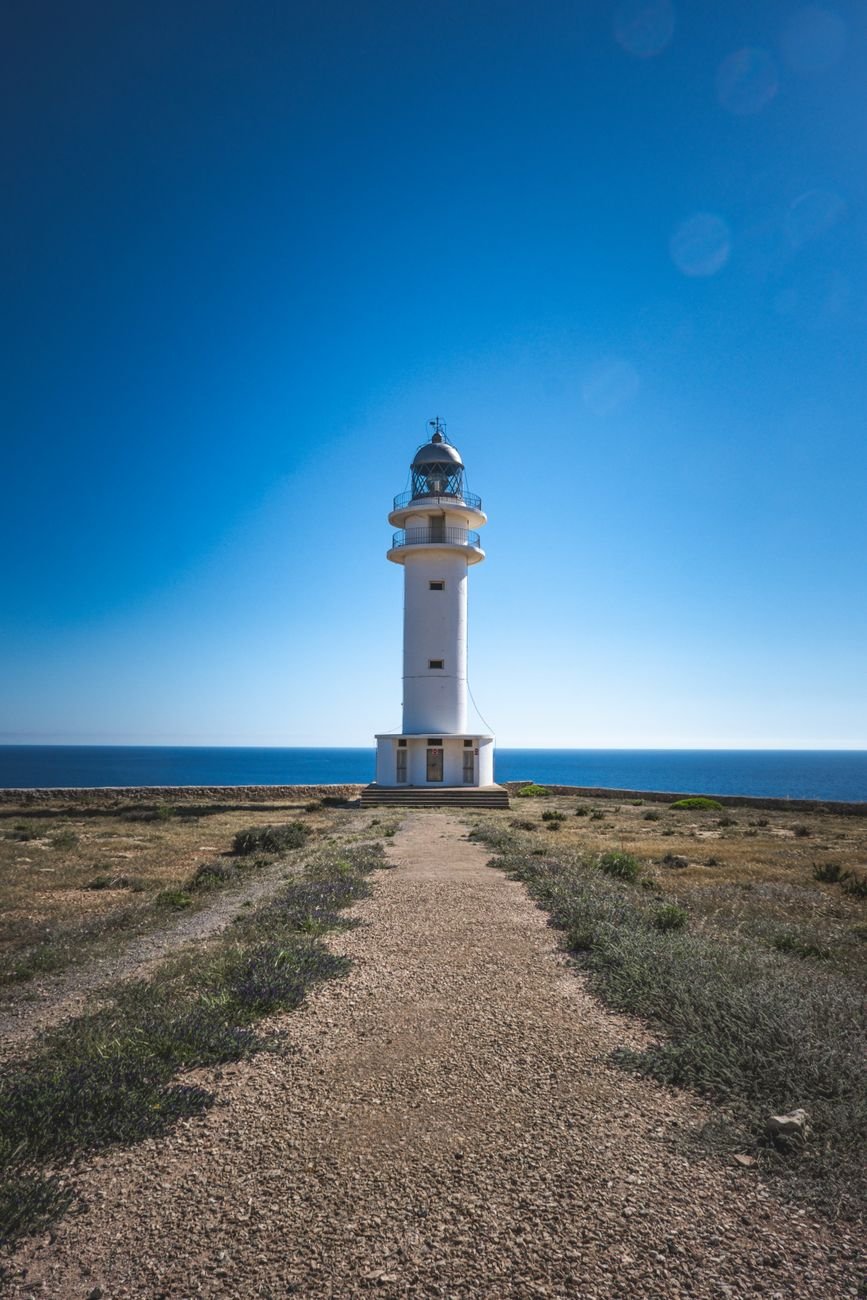
While the beaches are undeniably the star, Formentera offers a surprising array of sights for those with a curious mind. The island is dotted with ancient watchtowers, silent sentinels that once guarded its shores from invaders. A visit to the Far de la Mola lighthouse, perched dramatically on the island’s highest point, offers breathtaking panoramic views, especially at sunrise or sunset. There’s a certain melancholy beauty to these lonely structures, whispering tales of maritime history and the hardy souls who navigated these waters.
The salt flats of Ses Salines Natural Park are another fascinating feature, not just for their natural beauty but for their historical significance. These salt pans have been harvested for centuries, a testament to the island’s enduring connection to ancient industries. They’re also a haven for migratory birds, including elegant flamingos, offering a different kind of natural spectacle. Don’t miss a stroll through the charming main village of Sant Francesc Xavier, where you can browse local artisan markets, perhaps finding a piece of jewellery or a textile that captures the island’s serene essence.
When is the Best Time to Unfurl My Sail to Formentera?
The island truly comes alive during the warmer months, making May through September the most opportune time to visit. During these months, the sun bathes the island in golden light, the sea is perfectly warm for swimming, and the gentle breezes make for ideal conditions for cycling or simply lounging by the shore. The atmosphere is vibrant yet still relaxed, a perfect balance for those seeking both activity and repose.
May and June offer the bloom of spring, fewer crowds, and pleasantly warm temperatures, making them ideal for exploring the island by bike. July and August are the peak months, when the island buzzes with a lively energy, perfect for those who enjoy the summer buzz. September, as the summer gently wanes, often brings the most settled weather, still-warm seas, and a calmer ambience, a favourite for many who seek a serene end to their summer.
What Should I Bear in Mind for a Smooth Formentera Sojourn?
Formentera, being part of Spain and the European Union, typically requires no special visa for most international visitors beyond standard Schengen Area requirements. It’s always wise to check current regulations based on your nationality. The island is remarkably safe, with a welcoming local community, making it an excellent destination for solo travellers, couples, or families alike. General travel safety precautions, such as safeguarding your belongings, are always advisable, but you’ll find the atmosphere exceptionally relaxed.
Costs on Formentera can be a little higher than on mainland Spain, reflecting its island status and the need to import many goods. However, there are options for various budgets, from charming guesthouses to more luxurious stays, and dining ranges from simple, delicious local eateries to upscale restaurants. Renting a bicycle or scooter is an economical way to get around, and packing essentials like good sun protection, a reusable water bottle, and comfortable walking shoes will serve you well for a full day of exploration.
A Timeless Jewel, Waiting to Share Its Stories
Formentera is more than just a beautiful island; it’s an invitation to a different way of being. It’s a place where the rhythmic lapping of the waves becomes your soundtrack, where ancient traditions subtly blend with contemporary ease, and where the startling clarity of the water reflects not just the sky, but perhaps a clearer version of yourself. It is a destination that doesn’t demand your attention but gently earns it, leaving you with a deep sense of peace and a collection of truly unique memories.
Plan your trip with TourZen.in – real itineraries, trusted local experts, one simple conversation.
Image by: Francesco Ungaro\nhttps://www.pexels.com/@francesco-ungaro