First-Time Guide to Pokhara: What to Know Before You Go
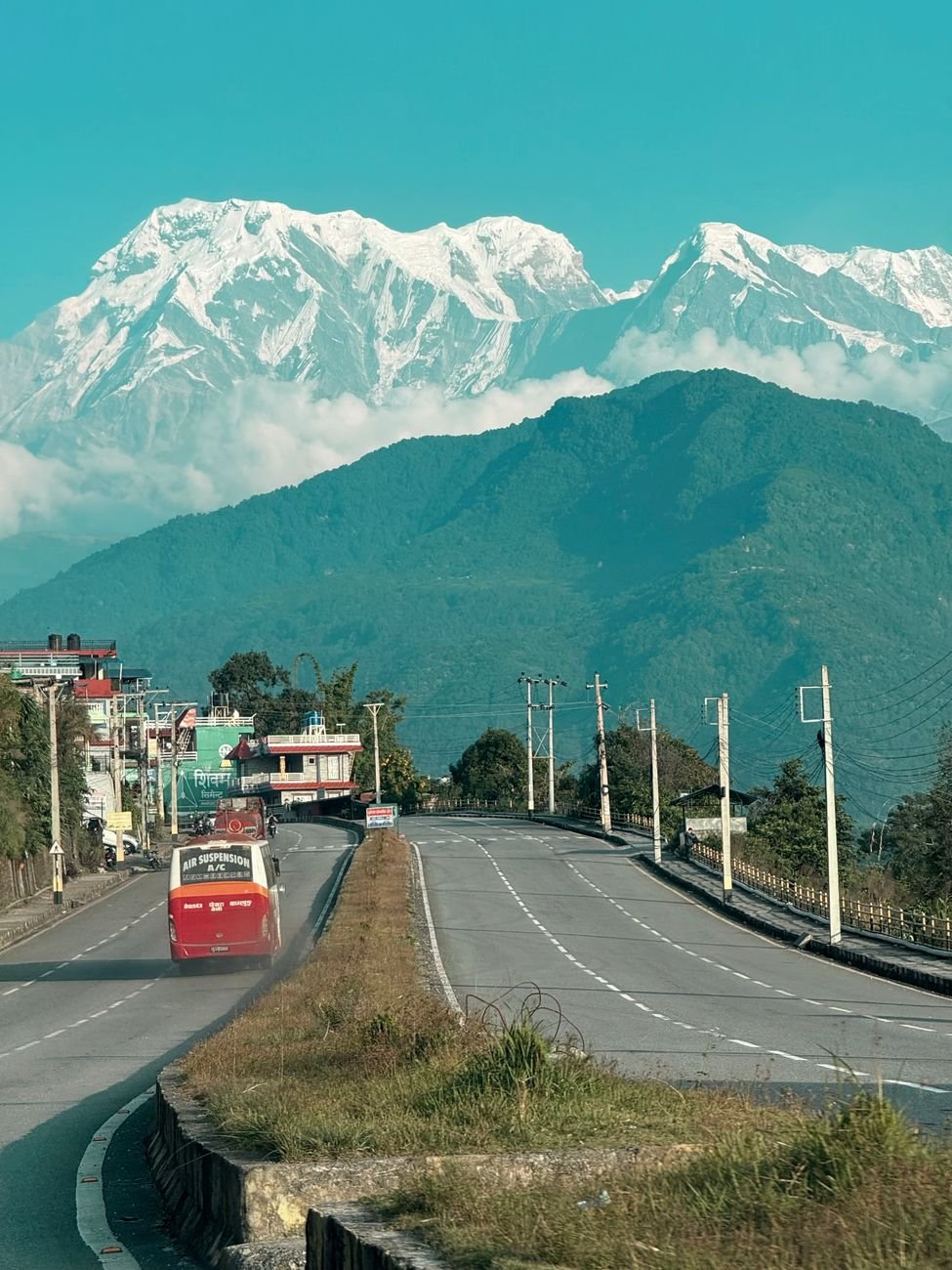
Alright, fellow wanderers, let’s talk Pokhara. You’ve seen the photos, you’ve heard the whispers – a chill lakeside town, a basecamp for epic treks, and views of the Annapurna range that’ll make your jaw hit the floor. But what’s it *really* like to rock up there for the first time? How do you squeeze every drop of adventure and relaxation out of it without emptying your wallet?
Fear not, my friends. I’m Vivek, and I’ve navigated my way through Pokhara’s charming chaos more times than I can count. This isn’t your grandma’s travel brochure; this is the lowdown from someone who knows how to stretch a rupee and still have the time of their life. Consider this your cheat sheet to making your first Pokhara trip legendary.
Step 1: Getting There – The Journey to Lakeside Bliss
First things first, you gotta get yourself to Pokhara. Most folks are coming from Kathmandu, and you essentially have two main options: fly or bus. Now, I’m all about saving those precious travel funds, so let’s weigh them up.
The Bus: The Budget Backpacker’s Friend. This is usually my go-to. You’ll find tourist buses leaving from Kathmandu’s Thamel area daily. It’s a proper adventure – bumpy, dusty, and you’ll see some incredible scenery (and some equally incredible driving skills). It’s a long haul, usually 6-8 hours, but it’s significantly cheaper than flying. Spring for a “deluxe” bus if you can; it’s a bit more comfortable and often has AC. Pack snacks, water, and a good playlist or podcast.
Flying: Quick but Pricier. If time is tight or your stomach can’t handle the winding mountain roads, a domestic flight from Kathmandu to Pokhara is your ticket. It’s a short, scenic hop – think 25-30 minutes. The views of the Himalayas from the plane are absolutely breathtaking. It’s obviously more expensive, but if you’re on a tighter schedule, it’s worth considering the splurge to save a day of travel.
Once you arrive, whether by bus or plane, taxis are plentiful to get you to Lakeside, which is where you’ll likely want to base yourself. Always agree on a price before hopping in!
Step 2: Where to Crash – Finding Your Lakeside Pad
Pokhara’s Lakeside district is where all the action is, and for good reason. It runs along Phewa Lake, offering stunning views and easy access to shops, restaurants, and tour operators. Accommodation here ranges from super budget hostels to swanky resorts. For us resourceful types, there’s plenty in between.
I always recommend looking for guesthouses a street or two back from the main lakeside strip. You’ll often find better deals, quieter rooms, and still be just a minute’s walk from the lake. Look for places with hot water (essential after a day of adventuring!) and a decent Wi-Fi connection. Many places also offer rooftop terraces – perfect for that morning chai with a mountain backdrop.
Don’t be afraid to walk around a bit when you arrive and check out a few places. You can often negotiate a better rate for longer stays, especially during the shoulder seasons.
Step 3: Fueling Your Adventures – Eating on a Budget (and Splurging Wisely)
Eating well in Pokhara is easy, and you don’t have to break the bank. Nepal has some incredible food, and Pokhara blends local flavors with international influences thanks to all the trekkers and travelers passing through.
Local Delights: Your staples here will be dal bhat (a hearty lentil soup, rice, and vegetable curry – often with free refills!), momos (delicious dumplings), and various curries. Seek out the smaller, local eateries away from the main tourist drag for the most authentic and wallet-friendly meals. They’re usually packed with locals, which is always a good sign.
Lakeside Treats: Along Lakeside, you’ll find everything from Italian pasta to Israeli falafel and great bakeries. These places are usually a bit pricier, but perfect for when you’re craving something different or want to enjoy a meal with a lake view. Treat yourself to a lakeside breakfast or a sunset dinner once or twice – it’s worth it for the ambiance!
And of course, don’t forget the ubiquitous chai – available everywhere and always a good idea.
Step 4: What to Do – Beyond Just the Views (But Seriously, Don’t Miss the Views)
Pokhara is a playground for adventurers and chill-seekers alike. Here’s how to fill your days:
- Phewa Lake Boating: Rent a rowboat (with or without a guide) and spend a few hours paddling around Phewa Lake. It’s incredibly peaceful, and the reflections of the mountains on the water are just stunning. Head over to the Tal Barahi Temple, located on an island in the lake. Definitely worth the small cost.
- Sarangkot Sunrise/Sunset: This is a classic for a reason. Get up before dawn (or head up in the late afternoon) and take a taxi or hike up to Sarangkot for panoramic views of the Annapurna range bathed in the golden light of sunrise or sunset. The sight of Machapuchare (Fishtail Mountain) is just incredible. Absolutely worth the early start or the taxi fare.
- World Peace Pagoda (Shanti Stupa): Take a boat across the lake and then hike up to the World Peace Pagoda. The views from here are arguably even better than Sarangkot, offering a full panorama of the lake, the city, and the mountains. It’s a lovely, serene spot.
- Adventure Sports: Pokhara is Nepal’s adventure capital. Paragliding, zip-lining, ultra-light flights, white-water rafting – you name it, they’ve got it. If you’re going to splurge, paragliding here is an unforgettable experience, soaring with the eagles and getting a bird’s-eye view of the Himalayas. Totally worth it if your budget allows.
- Short Hikes: If you’re not up for a multi-day trek, there are plenty of shorter hikes around Pokhara, like the one up to the Peace Pagoda, or trails around the surrounding hills. Just ask locals or your guesthouse for recommendations.
Step 5: When to Go – Chasing the Perfect Peaks
Timing is everything for those glorious mountain views. The best times to visit Pokhara are generally during the post-monsoon and pre-monsoon seasons, specifically October to November and March to April.
Why then? Because these months offer the clearest skies, stable weather, and comfortable temperatures. You’ll have the best chance of seeing the majestic Annapurna range without cloud cover. October-November is particularly popular after the monsoon washes the air clean, leaving crisp, clear views. March-April offers similar clarity before the summer heat and monsoon clouds roll in.
Visiting outside these windows means you might encounter more rain or haze, potentially obscuring those famous views, but you’ll also find fewer crowds and sometimes lower prices.
Step 6: Money Matters – Making Your Rupees Go Further
Nepal uses the Nepali Rupee (NPR). Exchange rates are generally pretty good, and you’ll find plenty of money changers in Lakeside. ATMs are also readily available, but always be aware of potential transaction fees.
For a comfortable backpacker budget, I’d aim for around 2000-3000 NPR per day. This covers a basic guesthouse, local meals, and a few small activities. Obviously, if you’re doing adventure sports, trekking, or eating out at fancier places every night, that number will climb quickly. Always keep some smaller notes handy for local purchases and tipping.
Haggling is common in markets and when negotiating taxi fares, but always do so respectfully and with a smile. For fixed-price restaurants and established shops, prices are usually set.
Common Mistakes to Avoid
- Not packing layers: Even though it can be warm during the day, mornings and evenings, especially at higher viewpoints, can get chilly. A good fleece or light jacket is essential.
- Forgetting sunscreen and a hat: The Himalayan sun is no joke, even when it feels cool. Protect yourself!
- Only sticking to Lakeside: While Lakeside is charming, venture a bit further to see more local life, discover hidden eateries, and get a feel for the “real” Pokhara.
- Not booking popular activities in advance: If you’re set on paragliding or a specific trek, especially during peak season, it’s wise to book a day or two ahead to secure your spot.
- Underestimating travel times: Whether by bus or on foot, things in Nepal often take longer than you expect. Build in buffer time for your plans.
Summary: Your Pokhara Adventure Awaits!
So there you have it, folks – your comprehensive first-timer’s guide to Pokhara. This town is truly a gem, offering that perfect blend of thrilling adventure, serene natural beauty, and a laid-back vibe that just begs you to stay a little longer. From gazing at the Annapurnas at sunrise to paddling across Phewa Lake, Pokhara has a way of working its magic.
It’s an easy place to fall in love with, and with these tips in your back pocket, you’re all set to make your first visit a memorable one. Go forth, explore, and soak in every incredible moment!
Plan your trip to this destination with TourZen.in – real itineraries, trusted local experts, one simple conversation.
Image by: Lin K\nhttps://www.pexels.com/@lin-k-2150059274