Yakushima: Where to Go When You’ve ‘Done’ the Obvious Spots
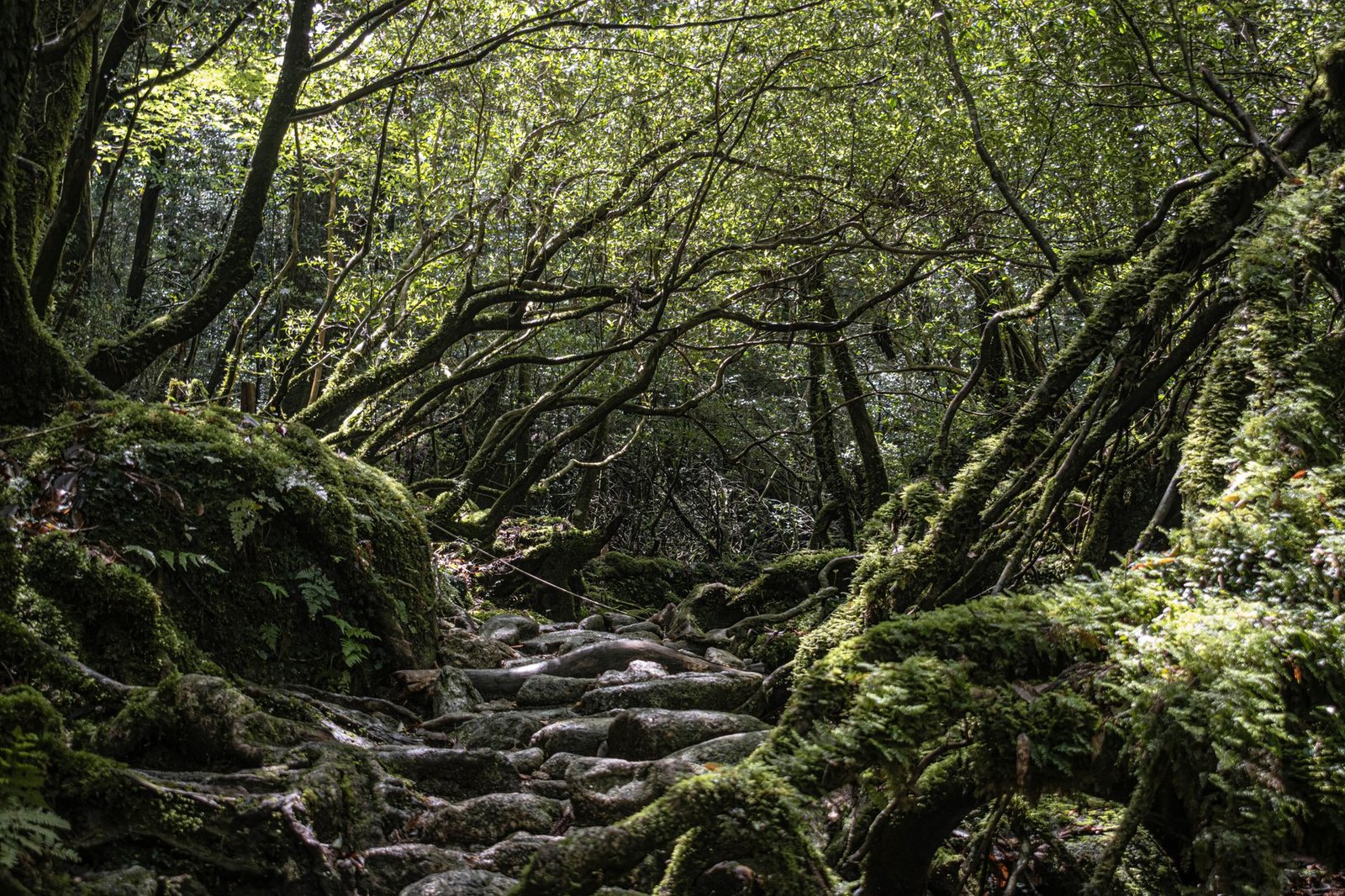
There are places that speak to the soul, and then there is Yakushima. To step onto this sub-tropical island, nestled far south in Japan’s embrace, is to feel the soft, cool breath of something truly ancient. It begins not with grand pronouncements, but with the quiet invitation of the trees. The deep, emerald hush of the primeval cedar forests calls you in, a silent promise whispered by the moss-draped branches that twist and reach like weathered hands towards the heavens. The trails here are not merely paths; they are threads woven through time, leading you deeper into a world where giant trees, the yakusugi, have stood sentinel for a thousand years, some for two or even three.
The climb is steep sometimes, a gentle ascendant at others, each step on the damp earth a conversation with the forest floor. You notice the quality of the light filtering through the dense canopy, dappling the ferns in shifting patterns of gold and green. It’s a light that feels older, softer, imbued with the deep wisdom of the woods. The air itself is a revelation, cool and heavy with the scent of damp earth, resin, and something indescribably wild. This isn’t a place for rushing, for ticking off sights; it’s a destination that demands presence, a gentle surrender to its rhythm.
The Whispers of the Woods
What strikes you first, perhaps, is the profound quiet. Not an empty silence, but one rich with the rustle of leaves, the distant murmur of water, and the occasional call of a bird hidden deep within the foliage. This quiet encourages introspection, inviting you to slow your own breath, to match the unhurried pulse of the forest. The moss, a vibrant tapestry of greens, golds, and muted browns, clings to everything – rocks, fallen logs, even the rough bark of the cedars. It feels almost alive underfoot, a soft carpet cushioning each step.
These ancient cedars, some with trunks so wide you could not encircle them with ten people, stand with an enduring grace. They are the elders of this island, their twisted, gnarled forms telling stories without words, histories etched into their very being by centuries of sun and rain. Walking among them, you understand why this island is a UNESCO World Heritage site, not just for its beauty, but for the profound ecological significance of its undisturbed natural splendor. It feels like stepping into a Miyazaki film, a world where the spirits of the forest might, at any moment, reveal themselves.
Island Life, Unhurried and Authentic
Beyond the trails, life on Yakushima unfolds at its own gentle pace. The small coastal villages are tranquil, a world away from the bustling cities of mainland Japan. Here, the rhythm is dictated by the sea and the seasons. You might find yourself watching local fishermen tend to their nets, or observing the patient hands of artisans at work. There’s a particular joy in a quiet evening meal in one of these villages, perhaps savoring fresh local fish, the day’s catch, prepared with a simplicity that allows the true flavors to shine. The community here is close-knit, welcoming to those who arrive with respect for their home.
One of the true pleasures of slow travel on Yakushima is simply observing. The way the light changes over the ocean at dusk, painting the sky in soft pastels. The sound of the waves breaking on the shore, a steady counterpoint to the forest’s silence. The shy glance of a deer in the forest, or the playful antics of the native macaques. These small moments, often overlooked in a rushed itinerary, are the true gems of the island, weaving themselves into a rich tapestry of memory.
Practical Basics for Your Yakushima Journey
Embarking on a journey to Yakushima requires a little forethought, though the rewards are immeasurable. The best time to experience the island’s verdant beauty and explore its trails is typically from April to November, when the weather is generally mild and conducive to hiking. However, be prepared for rain at any time of year – it’s what makes the forests so lush! A good quality rain jacket and waterproof hiking boots are truly essential.
Getting to Yakushima usually involves a flight from Kagoshima, or a ferry ride. Once on the island, public buses are available, but renting a car offers the most flexibility to explore at your own pace, stopping wherever a view catches your eye or a quiet spot calls for a moment of reflection. Accommodation ranges from charming guesthouses and ryokans to more secluded cottages, many offering a chance to truly immerse yourself in the island’s tranquility.
As with many places of significant natural beauty, certain areas and trails within the ancient forests may have specific entry rules or require permits, especially for longer or more remote hikes. It is always wise to check the most current local requirements and trail conditions before you travel, ensuring a smooth and respectful visit to this precious ecosystem. While Japan is a very safe country, standard travel precautions are always advisable. Costs for travel within Japan can be moderate, and being a more remote island, planning your logistics in advance can help manage your budget effectively.
A Journey of Deep Connection
Yakushima is not merely a destination; it’s an experience that settles deep within you. It’s a place that reminds you to breathe, to look closely, to listen intently. It gently nudges you away from the need for constant motion and towards a quiet appreciation of nature’s enduring grandeur. For those who have explored Japan’s well-trodden paths and now seek something deeper, something that resonates with the ancient heart of the earth, Yakushima offers a journey of profound connection. It’s a pilgrimage for the soul, a place where time slows, and the world outside seems to fade, leaving only the rustle of leaves and the quiet wisdom of the cedars.
Dreaming of India, or the world beyond it? TourZen.in plans it all with real itineraries. Message us on +91 70257 57330.
Image by: Karolina\nhttps://www.pexels.com/@karolina-2031292