Why Pecs Deserves a Spot on Your Travel List
Let’s be real for a second. When you think of Hungary, your mind probably jumps straight to Budapest, right? Most folks do. And while Budapest is fantastic, there’s a whole other side to this country that often gets skipped. Down in the south, nestled against some rolling hills, you’ll find Pecs. And if you haven’t heard of it, you’re not alone. But trust me, after this, you’ll be wondering why it took you so long to discover it.
The first thing that hits you, walking into the main square, Szechenyi Tér, is something you absolutely won’t expect to see in a Hungarian city: a massive, former Ottoman mosque, still standing proud. It’s not just a ruin; it’s now a Catholic church, complete with a crescent moon and cross sharing the same dome. This isn’t some museum piece tucked away; it’s the beating heart of the city, right there in the open, telling a story centuries old. And that, my friends, is just the beginning of what makes Pecs a place you need to add to your itinerary.
Why It’s Been Overlooked
Pecs has always been a bit of a quiet achiever, happily going about its business while Budapest soaked up all the international spotlight. It’s not on the typical “Eastern European Grand Tour” route, which usually zips between capitals, leaving smaller, equally rich cities like Pecs off the map. Most visitors to Hungary treat it as a one-city stop, and they’re missing out big time.
Its location, a little further south, means it’s not a quick train hop for most. But this “remoteness” (and I use that term loosely, because it’s still Hungary, not the Himalayas) is exactly its charm. It hasn’t been overwhelmed by tourist buses, selfie sticks, or inflated prices. It feels lived-in, authentic, and delightfully unpretentious. For a backpacker like me, that’s music to my ears.
What Makes It Worth the Detour
So, beyond that incredible mosque, what’s the big deal? Well, Pecs is a city that wears its history on its sleeve, but in a way that feels organic, not like a dusty textbook. That Ottoman past isn’t just about the mosque; you’ll find other subtle architectural whispers around the city, like the minaret of the Jakovali Hassan Mosque, which you can actually climb for some pretty sweet views without battling a crowd.
Then there’s the truly ancient stuff. Pecs boasts a UNESCO World Heritage site, the Early Christian Necropolis, right beneath the modern city. Imagine walking above a 4th-century Roman burial ground, complete with painted tombs. It’s mind-blowing and gives you a real sense of the layers of history this place has accumulated. You can wander through crypts and chapels that feel incredibly preserved, a direct link to a time most of us only read about.
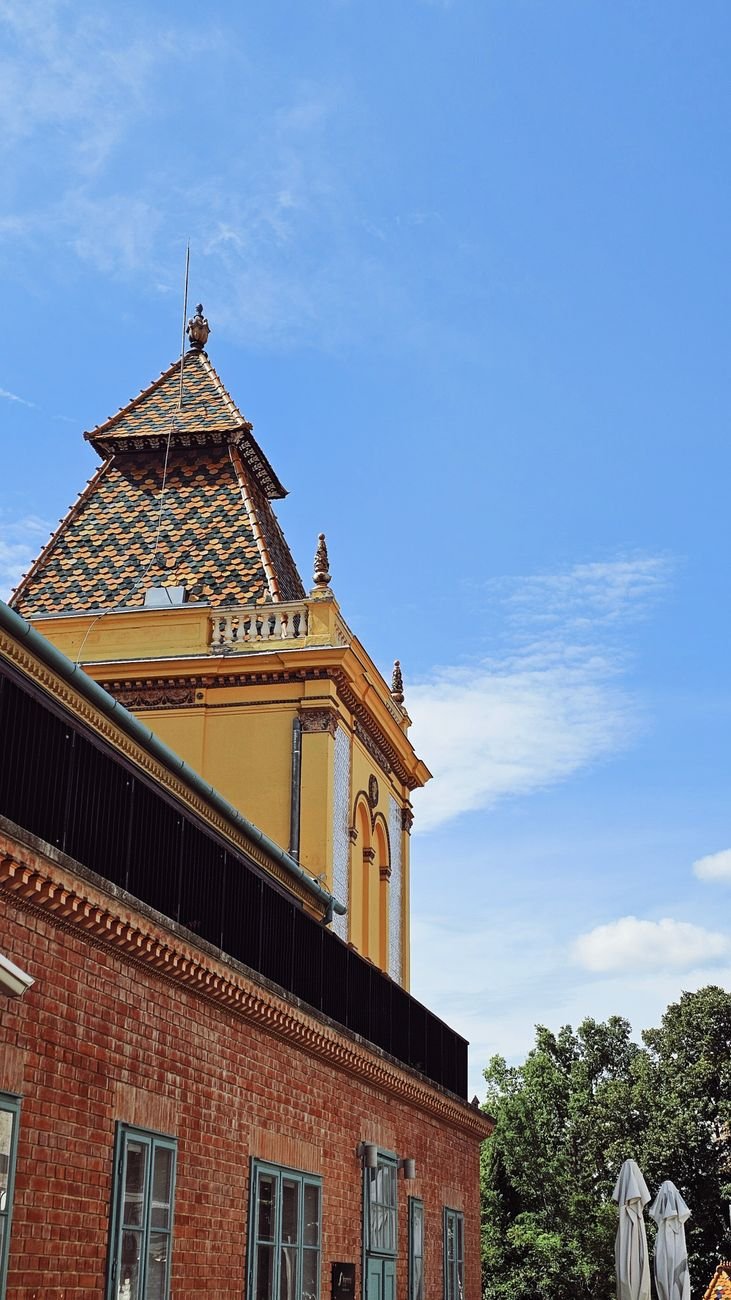
But Pecs isn’t just about ancient history. It’s a vibrant university city, which means a youthful energy, cool cafes, and plenty of affordable eats. It was even a European Capital of Culture, and you can feel that artistic vibe everywhere. Check out the Csontvary Museum for some truly unique Hungarian art, or the Vasarely Museum if you’re into optical illusions and abstract masterpieces. The streets themselves are often adorned with intricate Zsolnay ceramics, a local art form, giving the city a distinct, almost fairytale-like sparkle.
The city’s Mediterranean-esque climate also means it has a more relaxed, sun-drenched feel than other Hungarian cities. The people are friendly, the pace is slower, and there are plenty of leafy squares and pedestrian streets perfect for lingering with a coffee or a local craft beer. And speaking of local, Pecs is in a renowned wine region. You absolutely should try some of the local vintages without feeling like you’re emptying your wallet. Skip the fancy tours if your budget is tight; a good bottle from a supermarket or a casual tasting at a local bar will do the trick.
For me, the real win here is the atmosphere. It’s got all the charm and history you could want, but without the hustle and bustle that often accompanies more famous spots. You can actually relax, soak it all in, and connect with the place without feeling rushed or like you’re just another number. That, my friends, is priceless.
Practical Basics
When to Go: The sweet spot for Pecs is from April to October. The weather is generally pleasant, the days are long, and the city truly comes alive with outdoor cafes and events. If you want to avoid the peak summer warmth and crowds (though “crowds” is relative in Pecs), aim for the shoulder seasons of spring (April-May) or early autumn (September-October) – you’ll get great weather and even more elbow room.
Getting There: Pecs is well-connected by train and bus from Budapest, making it an easy addition to any Hungarian adventure. The journey itself is pretty scenic, giving you a glimpse of the Hungarian countryside. From other European cities, you’d typically fly into Budapest and then take ground transport. Check current timetables and book in advance, especially if you’re traveling during a local holiday.
Getting Around: Once you’re in Pecs, your feet are your best friends. The city center is incredibly walkable, with most major attractions within easy reach. For anything further afield, there’s a reliable local bus system. Taxis are also readily available, but honestly, you’ll probably spend most of your time happily strolling through the charming streets.
Safety: Pecs is a very safe city, even for solo travelers. Like any urban area, it’s always wise to be aware of your surroundings, especially at night, and to keep an eye on your belongings in crowded places. But generally speaking, you can explore Pecs with peace of mind. Hungarian people are often reserved but friendly and helpful if you need assistance.
Costs: Compared to Western Europe, Hungary generally offers excellent value for money, and Pecs is no exception. Accommodation, food, and attractions are noticeably more affordable than in places like Budapest or Prague. You can eat incredibly well on a budget, especially if you hit up local markets or small family-run eateries. Splurge on a nice local wine, and you still won’t feel guilty. Always keep a bit of local currency (Hungarian Forint, HUF) on hand for smaller purchases, though cards are widely accepted.
Visas & Entry: Hungary is part of the Schengen Area, so standard Schengen visa rules apply for non-EU/EEA citizens. Always check the most current visa and entry requirements for your nationality before you travel. It’s a quick online search that can save you a lot of hassle!
Summary
So, there you have it. Pecs might not be shouting from the rooftops like some of Europe’s bigger stars, but it’s got a quiet confidence that makes it truly special. It’s a place where Roman ruins rub shoulders with Ottoman mosques, where art thrives, and where you can genuinely connect with history and culture without feeling like you’re on a conveyor belt. If you’re looking for an authentic, affordable, and endlessly fascinating Hungarian experience that goes beyond the usual guidebook highlights, Pecs is your spot. Trust me, your travel stories will be a whole lot more interesting for it.
Dreaming of India, or the world beyond it? TourZen.in plans it all with real itineraries. Message us on +91 70257 57330.
Image by: liza sigareva\nhttps://www.pexels.com/@liza-sigareva-2149951107