Why Gjirokaster Deserves a Spot on Your Travel List
Most travelers planning a European trip haven’t heard of Gjirokaster. This isn’t a surprise. For decades, Albania remained largely closed off, making it one of Europe’s last truly undiscovered corners. But things are changing quickly. Albania is now open for business, and its unique cultural sites are becoming accessible to those willing to look beyond the usual tourist routes. Gjirokaster is one such place, a city that offers a genuine, unfiltered experience before the crowds arrive.
Why It’s Been Overlooked
Albania’s emergence as a travel destination is a relatively recent development. While countries around it have seen mass tourism for decades, Albania is only now truly finding its footing on the global travel map. This means many of its most remarkable sites, including Gjirokaster, have remained below the radar. It hasn’t been heavily marketed, nor has it been overrun by tour buses. This situation presents a clear advantage for the traveler who values authenticity and wants to experience a place before it changes.
The lack of mainstream attention means that Gjirokaster retains its local character. You won’t find countless souvenir shops selling mass-produced items or international chain restaurants. Instead, you’ll find local artisans, family-run eateries, and a rhythm of life that hasn’t been altered by external demands. This isn’t a negative; it’s precisely why it’s worth the trip for those who appreciate genuine cultural immersion.
What Makes It Worth the Detour
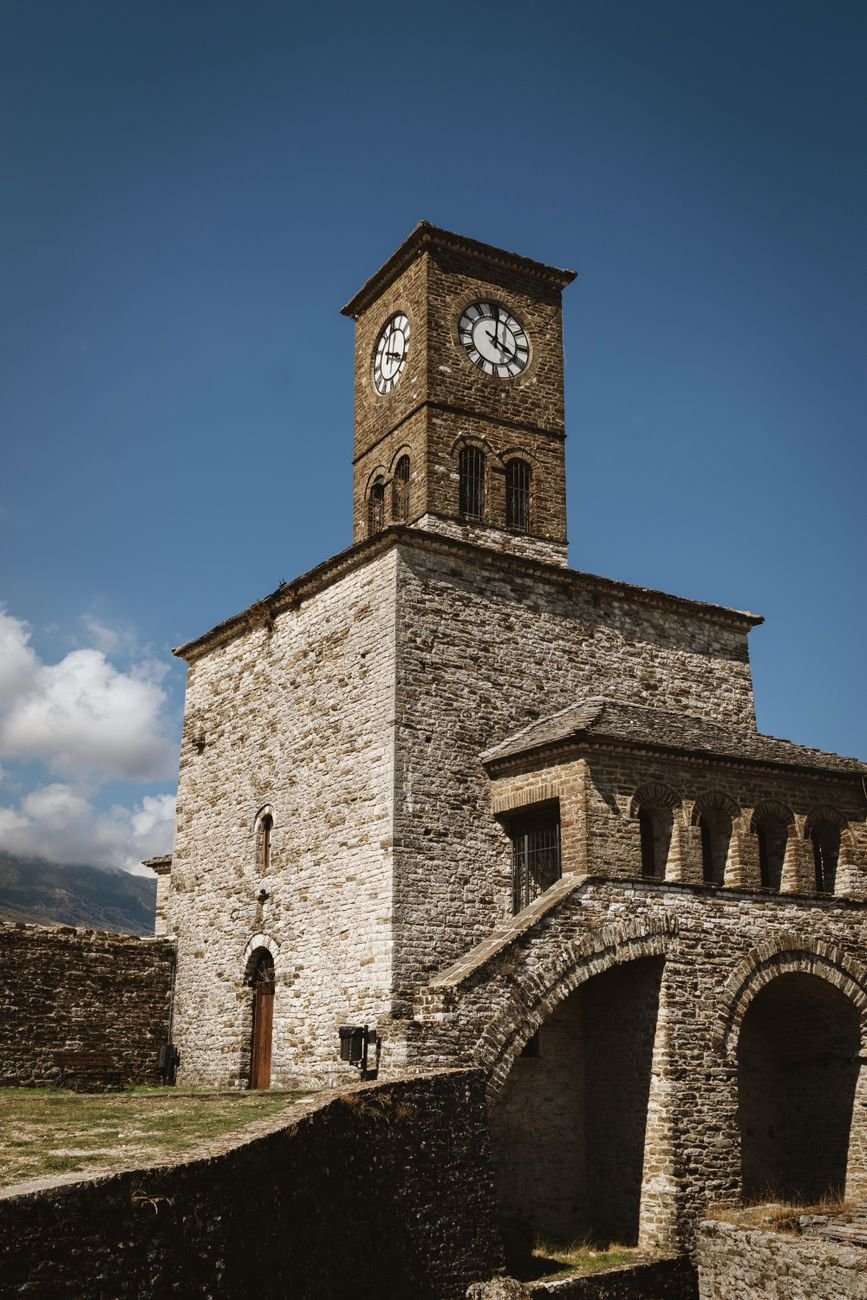
Gjirokaster is a UNESCO World Heritage site, and for good reason. It’s often called the “stone city,” and you’ll understand why the moment you see it. Its unique Ottoman-era houses, built from local stone, cascade down the side of a steep hillside, creating a dramatic and visually striking landscape. These aren’t just old buildings; they are architectural marvels, many featuring distinctive stone roofs, wooden balconies, and intricate interiors.
Walking through Gjirokaster is like stepping back in time. The cobbled streets are steep and winding, leading you past fortresses, mosques, and traditional bazaars. The Gjirokaster Castle, perched at the top of the hill, offers panoramic views of the entire valley and beyond. Inside, you can explore its history, including a fascinating museum and even a captured US Air Force plane from the Cold War era. This isn’t just a pretty town; it’s a place with layers of history, offering insights into Albanian culture and its Ottoman past.
Beyond the architecture, Gjirokaster is a vibrant, living city. The local markets are bustling, and the atmosphere is welcoming. You can sample traditional Albanian cuisine, which is hearty and flavorful, without paying inflated tourist prices. It’s a chance to connect with local life in a way that’s increasingly rare in more established European destinations. The cultural experience here is direct and impactful, making it much more than just a sightseeing stop.
Practical Basics
Timing your visit is simple. The period from April to October generally offers the best weather conditions. Expect pleasant temperatures for exploring the city’s steep streets and historical sites. Outside of these months, you will likely encounter colder temperatures and potentially more rain, which can make navigating the stone streets less comfortable. Always check the forecast before you travel, regardless of the season.
As a hillside city, Gjirokaster demands appropriate footwear. You will be walking on uneven, often very steep, cobblestone paths. Sturdy, comfortable shoes are not optional; they are essential for safely exploring the city without discomfort or risk of injury. Public transport within Albania is generally by bus or furgon (minibus), which are affordable but may not always run on strict schedules. Planning your connections in advance is advisable.
Albania is generally a safe country for travelers. However, standard travel precautions always apply. Keep an eye on your belongings, especially in crowded areas. It’s wise to carry copies of important documents and leave originals in a secure place at your accommodation. Always inform someone of your travel plans if you are venturing out alone. While serious crime against tourists is rare, petty theft can occur, as in any tourist destination.
The cost of travel in Albania, including Gjirokaster, is typically lower than in Western European countries. Accommodation, food, and local transport are generally budget-friendly. This means your travel budget can stretch further here, allowing for a more extended or richer experience without breaking the bank. Always factor in costs for any specific activities or tours you plan to undertake.
Regarding entry, most nationalities do not require a visa for short tourist stays in Albania. However, visa requirements can change, and they vary by nationality. It is always critical to check the latest visa and entry requirements for Albania well in advance of your travel date. Consult the official website of the Albanian Ministry of Foreign Affairs or your country’s embassy for the most up-to-date information.
Summary
Gjirokaster offers a unique window into a part of Europe that is only just opening up to the world. It’s a city of significant historical and architectural value, offering an authentic cultural experience away from the crowds. If your goal is to explore genuine heritage, understand a rich history, and do so without the constant hum of mass tourism, then Gjirokaster in Albania should be high on your list. It’s a destination that rewards the prepared and curious traveler.
Plan your trip with TourZen.in – real itineraries, trusted local experts, one simple conversation.
Image by: Laura Meinhardt\nhttps://www.pexels.com/@leefinvrede