What Nobody Tells You About Rovinj
The first thing that truly settled in, as I stepped off the small bus and onto the sun-warmed cobblestones, wasn’t a sight, but a sound. It was the gentle, rhythmic lapping of water against stone, a whisper that seemed to echo from the very foundations of this town. A few children’s voices drifted down from a window high above, mingled with the distant clink of cutlery from a restaurant just beginning to stir for the evening. The air, surprisingly, carried not the sharp tang of salt I expected, but a softer, sweeter note – perhaps from the flowering vines that spilled over ancient walls, or the scent of freshly baked bread from a tucked-away bakery.
First Impressions, Unpacked
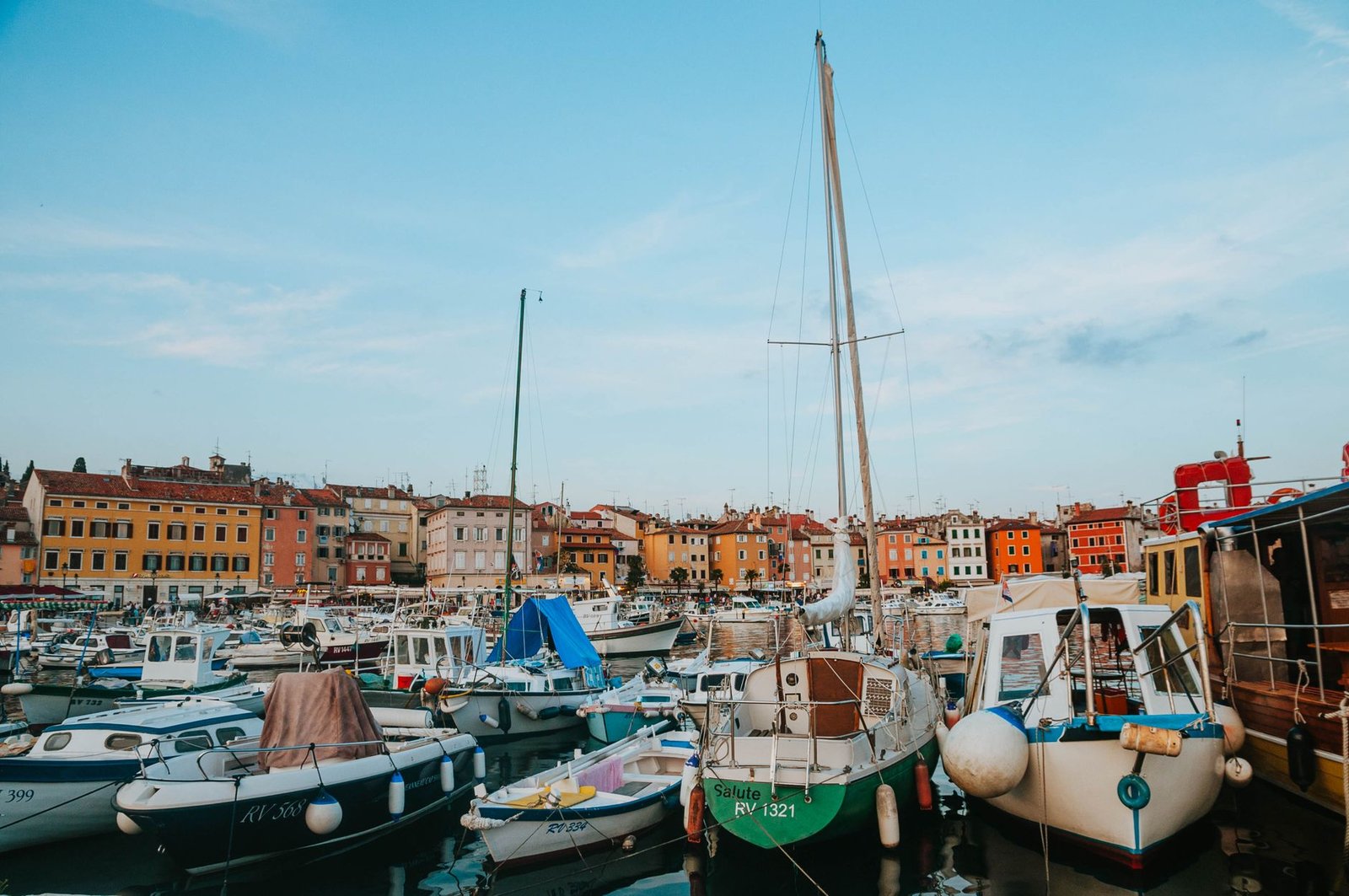
I had read the comparisons, of course. Everyone does. Rovinj, they say, is like Venice, but without the crowds, without the grandiosity. And yes, as I caught my first full glimpse of the town from the harbour, its pastel-hued buildings rising directly from the sea, stacked almost precariously up the hillside to the church spire that crowns it all, there was a certain evocative echo. The way the light catches the ochre and terracotta facades, the narrow alleys hinting at hidden courtyards – it’s undeniably beautiful, a postcard come to life.
But the comparison, I quickly realised, does Rovinj a disservice, for it suggests it’s merely a lesser version of something else. This place, nestled on the Istrian coast, has a soul entirely its own. It’s softer, more intimate, less about grand statements and more about quiet resilience. The pace is different, too. There’s no frantic rush here; boats bob gently, people linger over coffee, and the loudest sounds are often just the gulls circling overhead. It feels lived-in, not just visited. Each crumbling façade tells a story, each faded shutter whispers of generations who’ve watched the sea from these very windows.
Getting Oriented, Slowly
My first hours here have been spent simply wandering, allowing my feet to lead me. The old town is a labyrinth, a delightful tangle of narrow, polished stone streets that wind upwards and outwards, sometimes opening into a tiny, sun-drenched piazza, sometimes leading to a dead end overlooking the expanse of the Adriatic. I made a point not to consult a map, choosing instead to surrender to the joy of getting delightfully lost. Every turn reveals a new perspective: a sliver of the sea glimpsed between two buildings, a vivid burst of bougainvillea against a weathered wall, a clothesline strung across an alleyway, fluttering with brightly coloured laundry that seems to pulse with the very rhythm of daily life.
The sounds follow me: the murmur of Croatian, spiced with Italian, the occasional scrape of a chair on a tiled floor. There’s an unhurried quality to the interactions I observe – shopkeepers chatting leisurely with neighbours, fishermen mending nets by the harbour without haste. It’s a gentle reminder to slow down, to breathe, to simply be present in this moment, rather than rushing to check off a list of sights. The real sights, I’m finding, are in these small, unscripted moments, in the way the sunlight paints the ancient stone, or the scent of the sea carried on a passing breeze.
A Standout Moment: The Evening Light
As the sun began its descent, painting the sky in hues of soft apricot and rose, I found myself by the harbour, watching the small fishing boats return. The water, which had been a dazzling cerulean all day, deepened into an inky indigo, reflecting the first scattered lights of the town like scattered jewels. A single fisherman, his face etched with sun and salt, sat mending his nets on the dock, his movements slow and deliberate, a silent testament to a timeless way of life. The air grew cooler, carrying the faint scent of grilled fish from nearby konobas, a promise of the evening to come.
There was a profound stillness in that moment, broken only by the gentle clinking of masts in the harbour and the occasional distant peal of bells from St. Euphemia’s Church. It wasn’t about grandeur or dramatic vistas; it was about the simple beauty of an ordinary evening unfolding, imbued with centuries of history and the quiet dignity of a community living in harmony with the sea. I sat there for a long time, just watching, feeling the day’s warmth slowly dissipate, and letting the tranquility wash over me. This is the true magic of Rovinj, I thought – not in being like Venice, but in being so utterly, beautifully, itself.
Practical Grounding for a Slow Escape
For those drawn to this reflective pace, the shoulder seasons of **May-June** and **September** offer the perfect balance of pleasant weather and fewer crowds. The summer months of July and August are vibrant and warm, but also naturally attract more visitors. Rovinj is wonderfully walkable, so comfortable shoes are a must for exploring the winding cobblestone streets. While Croatian is the official language, Italian is widely spoken, and English is understood in most tourist-oriented establishments. Croatia is part of the Schengen Area, so standard EU visa rules apply. Remember to carry a small amount of local currency, Kuna, for smaller purchases, though cards are widely accepted.
Summary: A Gentle Invitation
Rovinj isn’t a destination that demands to be conquered or rushed through. It’s a place that asks you to slow down, to breathe deeply, to observe. It invites you to lose yourself in its labyrinthine streets, to savour the simple beauty of its daily rhythms, and to let its quiet charm seep into your soul. Come here not to tick off a list, but to simply be. You might find, as I am beginning to, that these unhurried moments are the most precious souvenirs of all.
Plan your trip with TourZen.in – real itineraries, trusted local experts, one simple conversation.
Image by: Helena Jankovičová Kováčová\nhttps://www.pexels.com/@helen1