First-Time Guide to Rome: What to Know Before You Go
Planning your first trip to Rome requires careful consideration. This city, rich in ancient ruins, world-class Vatican art, and layers of history, is essentially Italy’s most expansive open-air museum. To ensure your visit is productive and enjoyable, preparation is key. This guide will outline the practical steps and precautions necessary for navigating Rome efficiently and safely, helping you make the most of your time and investment.
Do’s
-
Walk Everywhere Possible
Rome is best experienced on foot. Many of its major historical sites are within reasonable walking distance of each other. Embracing walking not only allows you to discover hidden gems and local life that you might otherwise miss but also significantly cuts down on transportation costs. Wear comfortable, supportive shoes; this is non-negotiable for navigating cobbled streets and uneven historical pathways.
-
Book Accommodations and Major Attractions in Advance
This is crucial, especially if you are traveling during peak season. Popular sites such as the Colosseum, Roman Forum, Vatican Museums, and Borghese Gallery have limited capacities and often sell out weeks, if not months, ahead. Secure your tickets online directly from official websites to avoid long queues, ensure entry, and potentially save money by avoiding third-party markups. Similarly, booking your accommodation well in advance will give you better options and prices.
-
Stay Hydrated
Rome can get hot, particularly from late spring through early autumn. You will see numerous public drinking fountains, known as nasoni, dispensing fresh, cold drinking water throughout the city. Carry a reusable water bottle and refill it regularly. This is a practical and economical way to stay hydrated without constantly buying bottled water.
-
Dress Appropriately for Religious Sites
When visiting the Vatican City, St. Peter’s Basilica, or any other church in Rome, a modest dress code is enforced. Shoulders and knees must be covered for both men and women. Failing to adhere to this rule will result in denied entry, wasting your valuable time. Always carry a light scarf or shawl that can be used to cover up if necessary.
-
Validate Public Transport Tickets
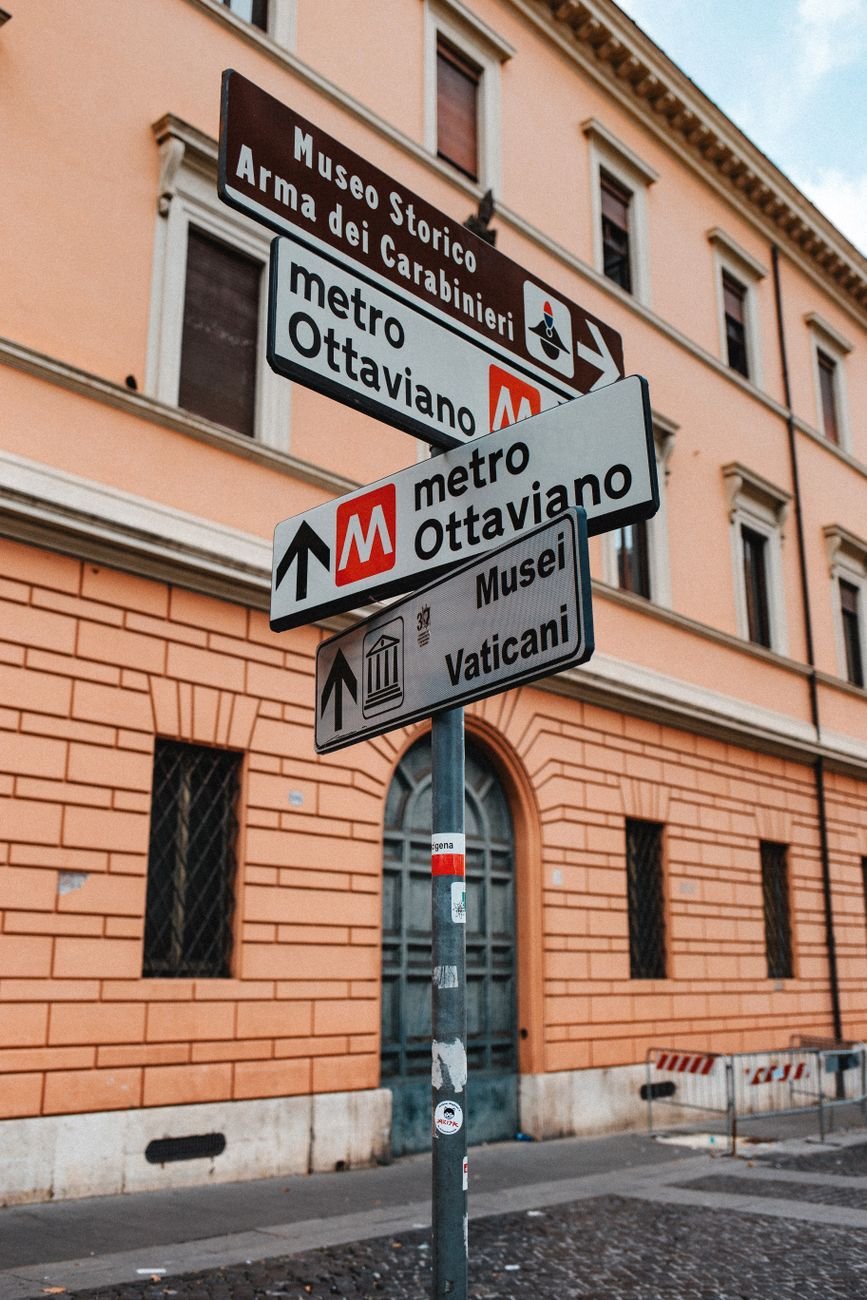
If you opt to use Rome’s public transportation – buses, trams, or the metro – ensure you validate your ticket immediately upon boarding. There are machines for this purpose on buses and trams, and turnstiles at metro stations. Inspectors frequently check tickets, and failure to validate will result in a hefty fine. This is not a suggestion; it is a strict rule.
-
Learn Basic Italian Phrases
While many Romans in tourist areas speak some English, making an effort to speak basic Italian phrases like “Buongiorno” (Good morning), “Grazie” (Thank you), “Scusi” (Excuse me), and “Quanto costa?” (How much does it cost?) is always appreciated. It shows respect and can often lead to a more pleasant interaction, sometimes even better service or a local recommendation.
Don’ts
-
Expect to See Everything in One Go
Rome is immense, with thousands of years of history compressed into its urban fabric. It is simply not feasible to see every major attraction in a single trip, especially a short one. Attempting to do so will lead to exhaustion and a rushed, unsatisfying experience. Prioritize the sites most important to you and allow ample time for each. Plan to return for other sights on a future visit.
-
Ignore Pickpocketing Warnings
Tourist-heavy areas, crowded public transport, and popular attractions are prime spots for pickpockets. Do not make yourself an easy target. Keep wallets in front pockets, use cross-body bags or money belts, and be constantly aware of your surroundings. Avoid carrying large sums of cash. Secure your belongings at all times; a moment of distraction is all it takes.
-
Eat Only in Restaurants Near Major Tourist Attractions
Restaurants directly adjacent to sites like the Pantheon or the Trevi Fountain often cater specifically to tourists, resulting in higher prices and often lower quality food. Venture a few blocks away from these hotspots into smaller side streets. You will find more authentic, better-value, and often more delicious Roman cuisine in establishments frequented by locals.
-
Underestimate the Summer Sun
The Roman sun, especially in July and August, can be intense. Prolonged exposure without protection can lead to sunburn, heatstroke, and dehydration. Always wear sunscreen, a hat, and sunglasses. Plan your outdoor activities for the cooler morning or late afternoon hours, and seek shade during the hottest part of the day.
-
Try to Drive in the City Centre
Rome’s city center is largely restricted by ZTLs (Zona a Traffico Limitato), or Limited Traffic Zones. These areas are only accessible to authorized vehicles during specific hours, and unauthorized entry results in expensive fines, often issued via automated cameras. Parking is also extremely difficult and costly. Rely on walking and public transport; it is the most practical and stress-free way to get around.
Best Time to Experience This
The optimal times to visit Rome are during the shoulder seasons: April to May and September to October. During these months, the weather is pleasantly mild, making it ideal for extensive walking and outdoor exploration. You will encounter fewer crowds compared to the peak summer months, and accommodation prices may be more reasonable. Avoid mid-summer if possible, due to intense heat and larger crowds.
Local Tips
-
Utilize Google Maps for Public Transport
Rome’s public transport network can seem complex, but Google Maps provides accurate, real-time information for bus, tram, and metro routes. It is an invaluable tool for planning your journeys and understanding which lines to take and where to transfer, saving you time and preventing unnecessary detours.
-
Carry Small Bills and Coins
While credit cards are widely accepted, having small denominations of Euros (5, 10, 20-euro notes) and coins is useful for smaller purchases such as coffee, gelato, street food, or tipping. Many smaller cafes or shops may prefer cash for minor transactions.
-
Explore Beyond the Main Sights
While the Colosseum and Vatican are essential, Rome offers much more. Venture into neighborhoods like Trastevere for charming streets and authentic dining, or explore lesser-known but equally fascinating sites such as the Baths of Caracalla or the Appian Way. These areas often provide a more relaxed and genuine Roman experience away from the main tourist crush.
-
Embrace the Afternoon Nap (Riposo)
Many smaller shops and businesses, particularly outside the main tourist areas, close for a few hours in the early afternoon for riposo (rest) or lunch, typically between 1:00 PM and 4:00 PM. Plan your activities accordingly. This is a good time for you to take a break, enjoy a leisurely lunch, or visit major attractions that remain open.
Summary
A trip to Rome is an unparalleled cultural journey, but its success hinges on careful planning and a practical approach. By understanding what to expect, making necessary preparations for bookings and transport, and being mindful of local customs and safety, you can ensure a memorable and rewarding experience. Focus on smart logistics, stay hydrated, and immerse yourself responsibly in the city’s incredible history. Rome rewards those who come prepared.
Plan your trip to this destination with TourZen.in – real itineraries, trusted local experts, one simple conversation.
Image by: Max Avans\nhttps://www.pexels.com/@maxavans