Off the Map: A First Look at Danum Valley
Forget the curated Instagram feeds. Danum Valley isn’t a place you “pop into” on a whim. It’s a commitment—geographically and logistically. But for those interested in what a rainforest truly is, not just what it looks like in glossy brochures, this ancient pocket of Malaysian Borneo delivers an experience that redefines “remote.” This isn’t a quick photo stop; it’s an immersion into an ecosystem that has been perfecting itself for 130 million years. That kind of age means something for the sheer density of life, the towering scale of its trees, and the very air you breathe. It demands a slower pace, a more observant eye, and a willingness to engage with the wild on its own terms.
Canopy Perspectives: The View from 30 Metres Up
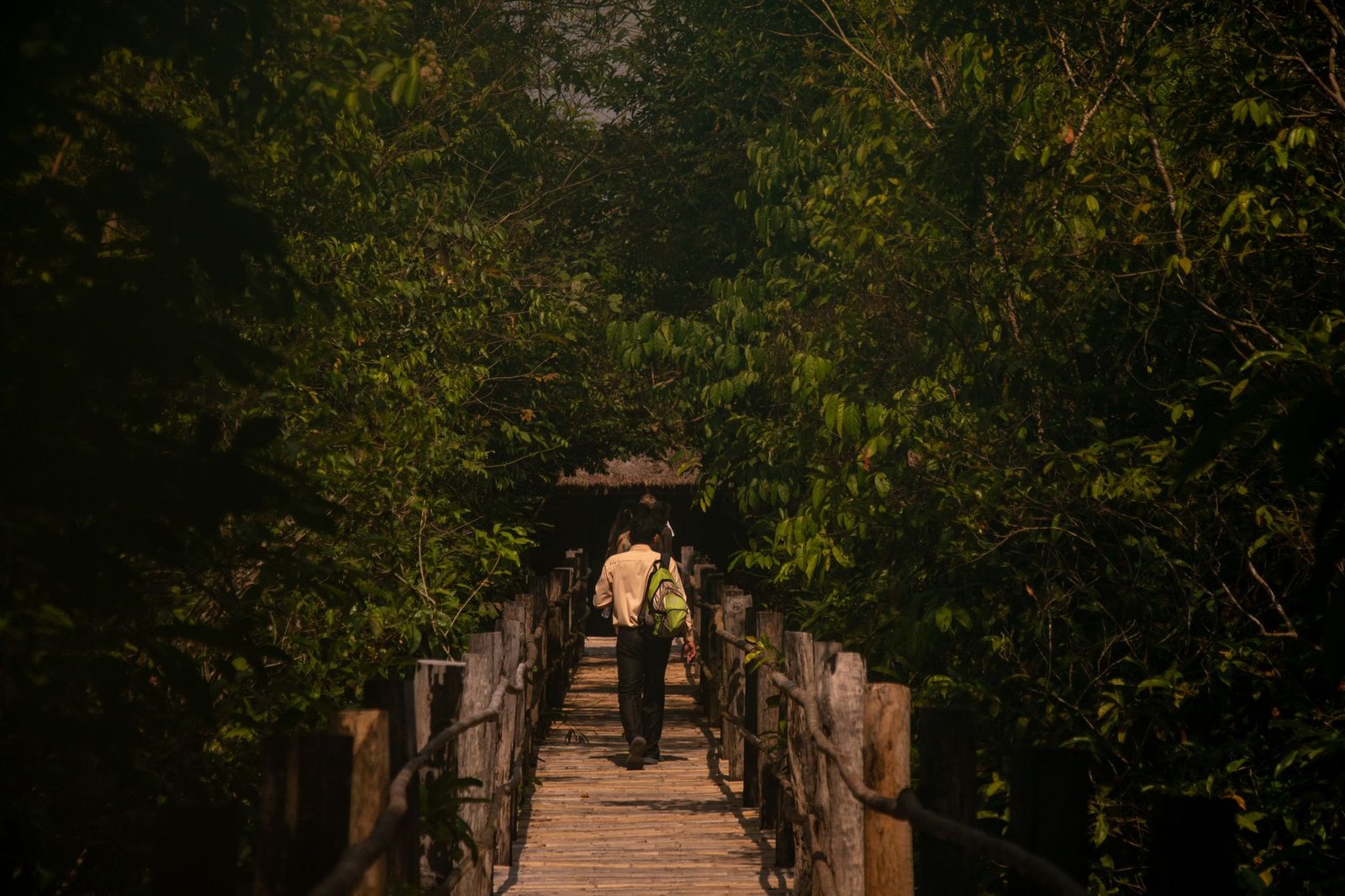
The canopy walkway here isn’t just a gimmick; it’s an engineering solution to access a world that’s otherwise out of reach. Stretching some 300 meters and suspended high above the forest floor, this structure offers a unique vantage point into the mid-story and upper canopy where much of the valley’s life thrives. At dawn, as the mists begin to lift, this is where you need to be. The light isn’t just picturesque; it’s prime for spotting.
From here, you’re on eye-level with hornbills gliding between ancient trees, the flashes of iridescent wings, and the rustling that signals primates on the move. Your chances of observing orangutans building or leaving their nests early in the morning are significantly higher when you’re literally in their neighbourhood. It’s about a different kind of visibility—not just seeing *into* the forest, but *through* it from an elevated position. The calls of gibbons echo across the valley, and with patience, a pair of binoculars might reveal a slow loris or a civet retreating from its nocturnal rounds.
Below the Canopy: Ancient Giants and Forest Floor Encounters
While the canopy walkway provides unparalleled views, stepping onto the forest floor brings a different kind of appreciation for Danum Valley’s age. The sheer scale of the trees—many with buttress roots taller than a person—is humbling. These aren’t just large trees; they are living monuments, part of a continuous lineage stretching back through geological time. Trekking beneath them, you’re moving through a complex, multi-layered world.
This is where patience becomes key. Wildlife here often reveals itself subtly. You might not immediately see a pygmy elephant, but you might find its fresh tracks, a broken branch, or the distinct scent of its passage. Orangutans, while often in the canopy, do descend, and spotting one foraging or moving through the lower levels is an unforgettable encounter. The forest floor also teems with smaller, equally fascinating life: vibrant insects, camouflaged reptiles, and the intricate architecture of fungi. Every sound, every shadow, every rustle contributes to the sense of being deeply immersed in one of the planet’s oldest living systems.
After Dark: A Different Ecosystem Wakes
As dusk settles and the light fades, Danum Valley transforms. Night walks, guided and carefully orchestrated, offer a practical glimpse into the forest’s nocturnal shift. With a torch, the focus narrows, highlighting individual creatures that would be invisible during the day. This isn’t about grand vistas; it’s about focused observation.
Look for slow lorises, with their deliberate movements and enormous eyes, or civets and various species of deer foraging quietly. The sounds change dramatically: the chirping of crickets and cicadas intensifies, punctuated by the croaks of frogs and the rustling of unseen creatures. It’s a sensory experience that forces you to rely on more than just sight, offering a practical understanding of how different species have adapted to different light cycles in this ancient habitat.
Practical Basics
When to Go, Why It Matters
The generally recommended period to visit Danum Valley is from March to October. These months typically see less rainfall, which translates directly into practical benefits: drier trekking conditions, less mud underfoot, and potentially better visibility for wildlife spotting. While it’s a rainforest and rain can occur at any time, aiming for these months simply reduces the logistical challenges and increases your chances of uninterrupted outdoor activity.
Getting There and Staying Put
Access to Danum Valley is highly controlled and typically part of a pre-booked package. You’ll generally fly into Lahad Datu, an airport in Sabah, Borneo, usually via Kota Kinabalu. From Lahad Datu, transfers to the Danum Valley Field Centre or relevant eco-lodge are almost always included in your package. This isn’t a destination for independent, last-minute travel. Connectivity is minimal to non-existent; assume no reliable cell service. Any internet access at lodges will likely be satellite-based and limited. Consider this a mandated digital detox.
Packing List: Real-World Readiness
For a trip into an ancient rainforest, preparedness isn’t optional. You’ll need sturdy, broken-in hiking boots, lightweight quick-drying clothing (long sleeves and pants are advisable for protection against insects and scratches), a reliable rain jacket and a waterproof cover for your backpack. Insect repellent, preferably with DEET, is essential. A good headlamp, binoculars for wildlife viewing, and a dry bag for any electronics you bring will make your experience significantly more comfortable. Don’t underestimate the practical value of leech socks or gaiters—leeches are part of the ecosystem here.
Visa and Entry
General Malaysian visa requirements apply. It is imperative to check your specific nationality’s visa rules for Malaysia well in advance of planning. As access to Danum Valley is restricted, ensure all necessary permits and confirmed bookings are secured through your chosen tour operator. Unauthorised entry is not permitted.
Safety and Environment
Danum Valley is wild. Always stay on marked trails and, crucially, always with your assigned guide. This is not an environment for solo exploration. Respect the ecosystem: leave no trace, do not disturb wildlife, and adhere to all guidelines provided by the research centre or lodge. Your guide is your primary resource for safety and information.
Summary
Danum Valley isn’t for the casual tourist seeking a quick highlight reel. It’s an investment of time, resources, and effort. But for those genuinely seeking an encounter with one of the world’s most ancient and biodiverse rainforests, particularly from the unique vantage of its canopy, the payoff is immense. It challenges the conventional idea of “easy travel” and replaces it with an experience that is raw, authentic, and profoundly rewarding. You’re not just observing; you’re actively engaging with an ecosystem that has perfected itself over millions of years, offering a rare perspective on nature’s enduring power and complexity.
Plan your trip with TourZen.in – real itineraries, trusted local experts, one simple conversation.
Image by: Pia Mosskull\nhttps://www.pexels.com/@pia-mosskull-1087453