Does Cefalù’s Ancient Majesty Beckon from the Sicilian Coast?
There are places where history doesn’t just rest in museums but breathes in the very stones of the town, where ancient narratives are etched into cliff faces and whisper through sun-drenched alleys. Cefalù, nestled on Sicily’s northern coast, is precisely such a place. It’s not merely a coastal escape; it’s a profound journey back through millennia, dominated by a towering testament to Norman ambition and artistry.
What makes Cefalù’s cathedral so special?
To truly grasp the soul of Cefalù, one must first look upwards, towards the mighty Rocca, the colossal rock formation that stands guardian over the town. And beneath its craggy embrace, rising with an almost impossible grandeur, is the Duomo di Cefalù, a monumental Norman cathedral that dominates the skyline and anchors the town’s very identity. Commissioned by Roger II, the Norman King of Sicily, in the 12th century, this basilica is far more than just a church; it is a declaration of power, faith, and artistic fusion.
Legend has it that Roger II vowed to build a cathedral here after surviving a violent storm at sea, making landfall on Cefalù’s shores. Whether divine intervention or shrewd political maneuvering, the result is breathtaking. Its twin towers, solid and commanding, belie the shimmering beauty within. Step inside, and you’re immediately transported into a world of Byzantine splendor, most notably by the Christ Pantocrator mosaic in the apse. His gaze, at once stern and compassionate, follows you, rendered in gold and vibrant hues, a masterpiece of a lost era. This isn’t just decoration; it’s theology expressed in glass and stone, a bridge between East and West that defines so much of Sicily’s complex history.
The cathedral’s architecture speaks of conquering Normans, but the artistry within reveals the profound influence of Byzantine and Arab craftsmen, creating a unique Sicilian synthesis. It’s a place where history isn’t recited but felt, where the echoes of ancient hymns seem to linger in the cool air, inviting reflection on the centuries of devotion held within its walls.
What is it like to wander through Cefalù’s medieval streets?
Leaving the hushed grandeur of the Duomo, Cefalù’s true charm unfolds in its labyrinthine medieval lanes. These aren’t pristine, polished paths; they are alive, crooked, and scented with salt and jasmine. Each turn reveals a new vista: a sun-drenched piazza where locals gather for their morning coffee, a tiny artisan shop displaying intricate ceramics, or an unexpected archway leading to a hidden courtyard adorned with bougainvillea. It’s a place to lose yourself, not on purpose, but by joyful accident.
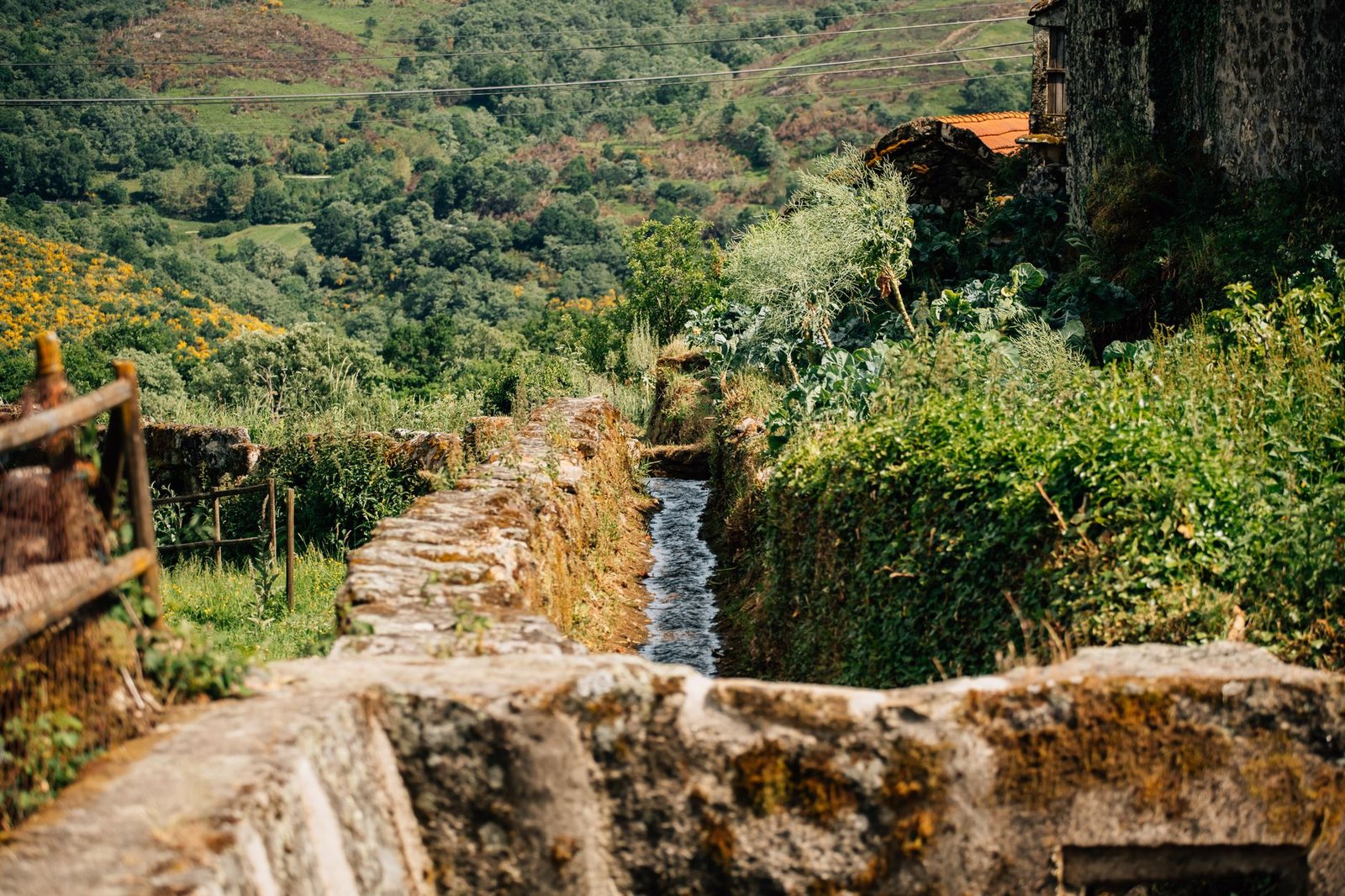
The town plan itself seems to whisper of its past. Originally a fishing village, Cefalù’s ancient heart is a tight-knit web designed for defense and community. You’ll stumble upon the Lavatoio Medievale, a medieval wash house where women once gathered to do laundry in cool, fresh water flowing from ancient springs, a surprisingly intimate glimpse into daily life from centuries past. The narrowness of the streets, often opening directly onto the sea, creates a thrilling sense of discovery. Here, the aroma of freshly baked bread mingles with the salty air, and the chatter of Italian blends with the rhythmic crash of waves.
Beyond the history, what about Cefalù’s famous beaches?
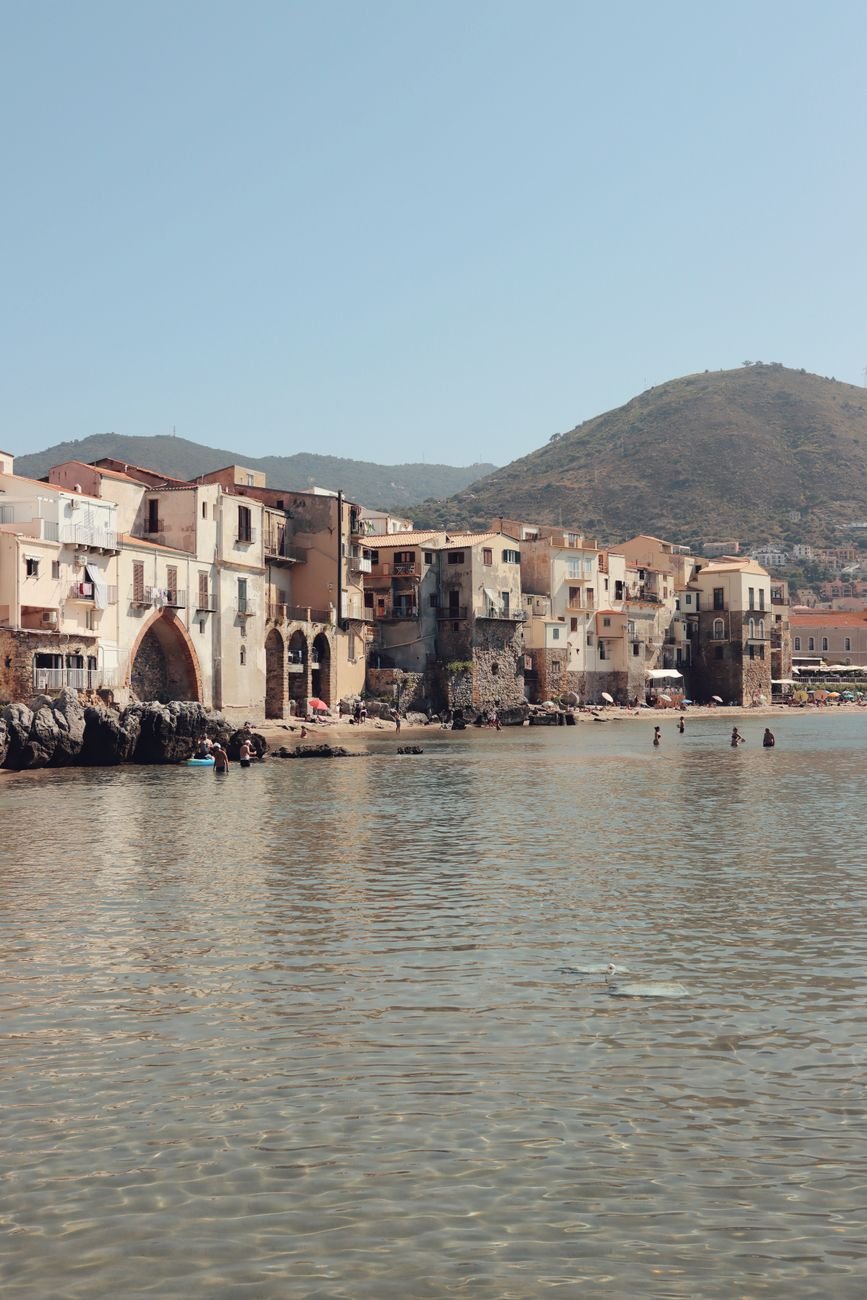
While the Norman cathedral is Cefalù’s historical heart, its golden crescent of sand is its undeniable allure. The juxtaposition is striking: turn a corner from a millennia-old stone building, and suddenly you’re gazing at the sparkling Tyrrhenian Sea. Cefalù’s main beach, Lungomare, stretches out invitingly, a soft, golden expanse perfect for sunbathing, swimming, or simply watching the local fishermen ply their trade.
What makes this beach so enchanting is its backdrop. To one side, the town tumbles down the hillside, a cascade of honey-colored buildings. To the other, the formidable Rocca stands sentinel, creating a dramatic, postcard-perfect scene. The waters are typically clear and inviting, making for refreshing dips on warm Sicilian afternoons. For those seeking a quieter spot, smaller coves and rocky inlets can be found along the coastline, offering a more secluded experience and fantastic snorkeling opportunities. It’s a place where the pleasures of a Mediterranean beach holiday blend seamlessly with deep historical immersion.
Are there any local secrets or culinary delights to uncover?
Sicily, at its core, is a land of incredible food, and Cefalù is no exception. While the larger restaurants along the main thoroughfares offer delightful options, the real treasures are often tucked away in family-run trattorias in the back streets. Here, you’ll find authentic Sicilian flavors: fresh seafood caught that morning, pasta dishes like pasta con le sarde (pasta with sardines, wild fennel, pine nuts, and raisins), and rich, slow-cooked meat dishes. Don’t leave without trying a traditional granita, a semi-frozen dessert often made with fresh fruit or almonds – perfect for a hot afternoon.
Beyond the plate, Cefalù has a vibrant local rhythm. Early mornings see the fishermen returning with their catch, and the markets buzz with life, offering a sensory feast of fresh produce, cheeses, and local delicacies. Keep an eye out for small festivals or religious processions, especially during summer months, which offer a glimpse into the enduring traditions and strong community spirit of this corner of Sicily. The evening passeggiata, the traditional stroll before dinner, is another charming ritual to observe, as locals dress in their finest and parade through the main streets, greeting friends and enjoying the cool evening air.
When is the best time to experience Cefalù, and what should I know before I go?
The magic of Cefalù truly shines between May and September. During these months, the weather is warm and sunny, perfect for beach days, exploring ancient sites, and enjoying al fresco dining. May and June offer pleasant temperatures without the peak summer crowds, making it ideal for those who prefer a more tranquil experience. July and August are hotter and busier, with a lively atmosphere, while September offers a beautiful balance of warm weather and fewer visitors as the European holiday season winds down.
As for practicalities, Cefalù is generally considered a safe and welcoming destination. Standard travel precautions apply, particularly regarding personal belongings in crowded areas. Costs for accommodation and dining vary; while there are luxury options, many charming guesthouses and trattorias offer excellent value. Italian is the primary language, but in tourist areas, English is often spoken. A basic grasp of Italian phrases will always be appreciated by locals. For visa requirements, visitors should check the specific regulations for Italy based on their nationality, as rules can vary.
Getting around Cefalù itself is best done on foot, allowing you to fully appreciate its narrow lanes and hidden corners. For exploring wider Sicily, a car offers the most flexibility, though regional trains and buses connect Cefalù to other major towns like Palermo.
A Sicilian Gem Awaiting Discovery
Cefalù is more than just a dot on the map; it’s a destination that marries the rugged beauty of Sicily’s coast with a profound sense of history. From the awe-inspiring grandeur of its Norman cathedral to the intimate charm of its medieval streets and the serene beauty of its beaches, it offers a rich tapestry of experiences. It’s a place that lingers in the memory, a true testament to Sicily’s enduring allure.
Plan your trip with TourZen.in – real itineraries, trusted local experts, one simple conversation.
Image by: Efrem Efre\nhttps://www.pexels.com/@efrem-efre-2786187