Off the Map: A First Look at Bekal Fort
I’ll be honest, the flight down to Mangalore, then the drive south into northern Kerala, had me bracing myself. You see enough photos online, read enough blog posts, and everything starts to look a bit… same-same. Another ancient fort, probably impressive, but would it truly grab you? Would it warrant the journey out here, to what feels like the very edge of the map in Kasaragod? My internal travel cynic, honed over years of “hidden gems” that turned out to be merely “slightly less crowded,” was already sharpening its claws.
But then, you arrive. And Bekal Fort, it plays a different game. My first real glimpse wasn’t of some grand gate, or a towering wall from afar. No, it was the sea. The Arabian Sea, restless and blue, practically licking the ancient laterite walls. It’s not just *near* the fort; it’s an extension of it, an intrinsic part of its fabric. You expect a fortress to be imposing, perhaps landlocked and stoic. Bekal, though, feels like it’s half-built into the ocean itself, a sea monster made of stone, perpetually guarding the coast. The roar of the waves was the first thing that hit me, a powerful, rhythmic counterpoint to the quiet, almost meditative feel of the place.
First Impressions: The Sea, The Stone, The Surprise
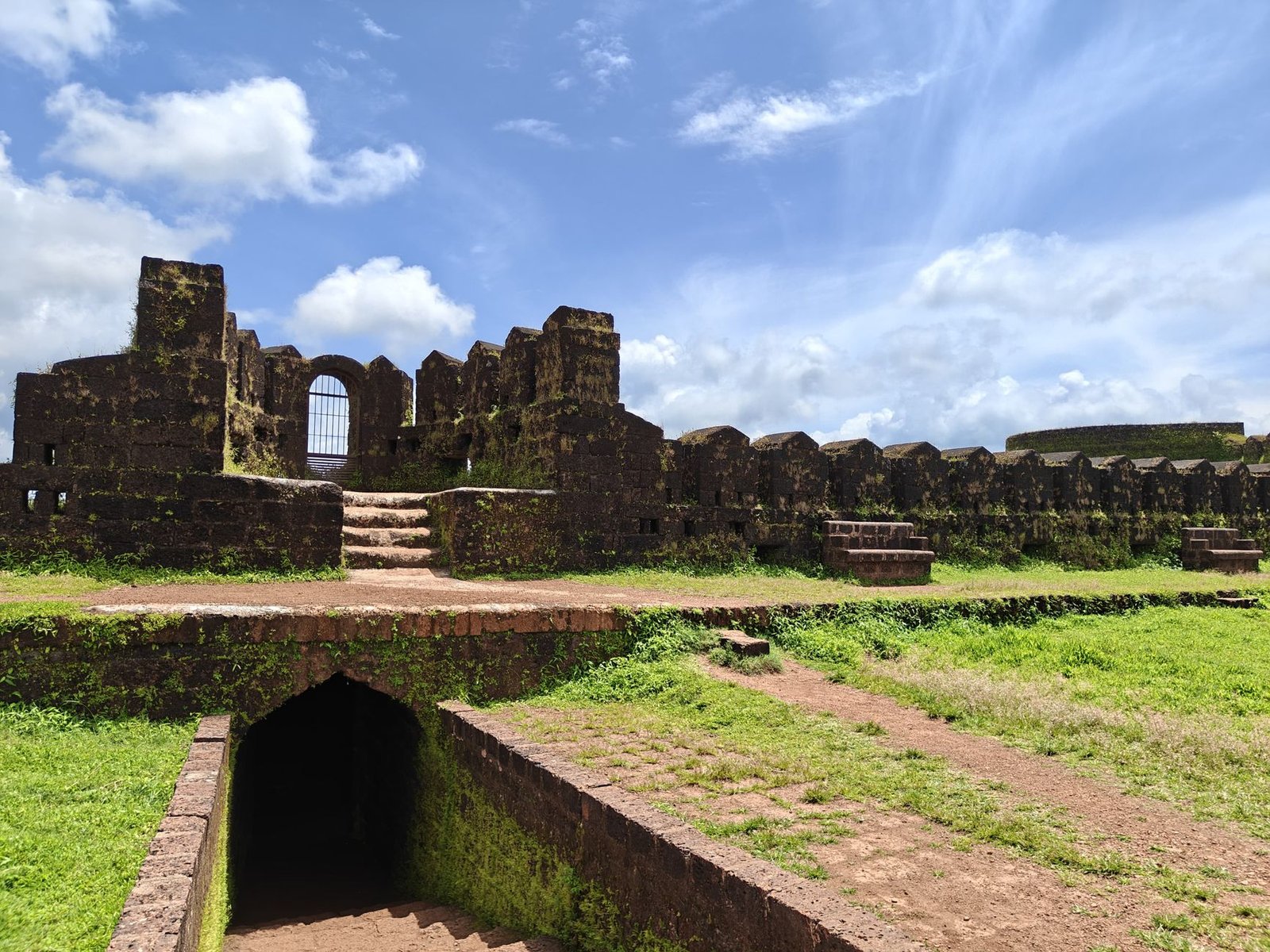
My preconceived notions of a dusty, land-bound ruin were shattered the moment I stepped onto the grassy ramparts. The scale is immense, sprawling across something like 40 acres, but it’s the way it interacts with the coastline that truly sets it apart. The walls don’t just rise from the land; in many places, they plunge directly into the sea, a sheer drop where the waves crash dramatically. It’s less of a fort with a view, and more of a fort *of* the view. What they don’t quite capture in those wide-angle shots online is the palpable sense of history mingling with the raw power of nature.
Walking along the periphery, I found myself drawn to the bastions that jut out into the water. Each one feels like a separate lookout point, offering endless vistas of the cerulean expanse meeting the horizon. The wind, carrying the brine and the faint scent of the coconut groves further inland, was invigorating. This isn’t a place where you just observe; you feel it in your bones. The laterite stone, that deep reddish-brown, somehow absorbs and reflects the light, changing its hue with the moving sun. It looks formidable, yet also somehow organic, as if it grew from the very earth and sea itself.
Getting Oriented: Finding Your Footing
Navigating Bekal Fort is surprisingly intuitive, despite its size. There aren’t really any hidden mazes or confusing paths. The main pathway leads you around the fort’s perimeter, allowing you to take in the views from different angles. You’ll find watchtowers at various points, perfect for climbing (carefully, mind you) and getting an even higher perspective. The central observation tower is the clear highlight, offering a panoramic 360-degree sweep of the fort, the sea, and the surrounding landscape – those fishing villages and swaying palms you glimpsed on the drive in. It’s here, high up, that the sheer strategic brilliance of its builders truly sinks in.
Unlike some other historic sites in India, which can feel overwhelmingly vast and complex for a first-time visitor, Bekal feels… manageable. It’s big enough to wander and explore for a good few hours, but not so sprawling that you feel lost. There’s a certain peacefulness to the grounds, too. While it’s certainly popular, especially with local families, it never felt overly crowded during my visit. There are plenty of quiet nooks and crannies to just sit and absorb the atmosphere, watching the waves and listening to the gulls. For someone visiting India for the first time, looking for a glimpse into its history without the frantic pace of the larger, more famous sites, this feels like a genuinely excellent choice. It offers a unique flavour, different from the grand palaces or desert forts you might typically associate with the country.
One Standout Moment: The Embrace of the Ocean
There was a particular moment, standing on one of the larger bastions, looking out over the sea, when a fishing boat, a simple wooden vessel, chugged slowly past, far below. The sun, starting its slow descent, cast a golden glow across the water, making the tiny boat look like it was sailing on liquid gold. The fort, silent and ancient, seemed to watch over it, just as it must have watched countless other boats over centuries. It was a simple, unassuming scene, but it perfectly encapsulated the fort’s unique position – a sentinel between land and an endless ocean. It wasn’t just a ruin; it felt like a living, breathing landmark, connected to the rhythm of the sea and the lives lived alongside it. This wasn’t the history lesson I’d braced for; it was an experience, a connection to something much older and grander than I’d anticipated.
Practical Grounding: Getting There and Making the Most of It
Bekal Fort is located in Kasaragod district, in the northern part of Kerala. The nearest major airport is Mangalore (IXE) in Karnataka, about an hour and a half’s drive away. Alternatively, Kannur International Airport (CNN) in Kerala is also a viable option. From either airport, taxis are readily available. The road trip itself is part of the experience, winding through green landscapes and small towns, offering a glimpse into the local life of this less-explored region.
The best time to visit Bekal Fort, and indeed this part of Kerala, is between **October and March**. The weather during these months is considerably cooler and drier, making it ideal for exploring the fort on foot without succumbing to the heat and humidity. Summers (April-May) can be very hot, and the monsoon season (June-September) brings heavy rains, which, while beautiful in their own right, might make extensive exploration less comfortable. Entry to the fort is straightforward, though like many historical sites in India, it’s always wise to check for any current visitor regulations or minor fees before you arrive. There are no complex permit rules, but a quick check online before you travel is always a good practice for any destination.
Safety is generally not a concern here; the area feels welcoming and peaceful. As always, standard travel precautions apply. Accommodation options range from luxury resorts with stunning sea views (some practically next to the fort) to more modest guesthouses in nearby towns. For an international traveller, this region offers a quieter, more laid-back experience of Kerala, a chance to really slow down and appreciate the coastal beauty without the bustling crowds you might find further south.
Summary: A Fort That Defies Expectation
So, did Bekal Fort live up to my cynical expectations? Not even close. It surpassed them, not with flashy grandeur, but with an understated, natural beauty that feels profoundly authentic. It’s a place where history doesn’t just sit in silence; it whispers on the wind, crashes with the waves, and stretches out to meet the horizon. If you’re looking for something genuinely different, a fort that’s less about dusty textbooks and more about the raw, visceral experience of India’s coastline, then Bekal is absolutely worth that special trip. It’s a reminder that sometimes, the best places are the ones that haven’t yet been fully captured by the internet’s relentless gaze.
Dreaming of India, or the world beyond it? TourZen.in plans it all with real itineraries. Message us on +91 70257 57330.
Image by: Chitrika .D\nhttps://www.pexels.com/@chitrika-d-2159546430