First-Time Guide to Mumbai: What to Know Before You Go
Mumbai. India’s financial heart, its film capital, a city that never truly sleeps. It’s a place of constant motion, sharp contrasts, and undeniable energy. If you are considering a trip here, be prepared for an experience that is both exhilarating and, at times, overwhelming. This guide is for the practical traveller, focusing on what you need to know to navigate Mumbai safely and efficiently, ensuring your first visit is productive and enjoyable.
When to Visit Mumbai for the Best Experience
Timing your visit correctly can make a significant difference to your Mumbai experience. The best period to visit is from October to March. During these months, the weather is relatively cooler and drier, offering a much-needed respite from the intense humidity and heat that characterises other parts of the year.
Avoid the monsoon season, typically June to September. While the city takes on a lush, washed-clean appearance, heavy rains can disrupt travel plans, cause waterlogging, and make sightseeing difficult. The heat and humidity in April and May before the monsoon are also considerable. Stick to the cooler, drier season for comfort and ease of movement.
Navigating Mumbai: Getting There and Getting Around
Mumbai is well-connected internationally. Chhatrapati Shivaji Maharaj International Airport (CSMIA) is your point of entry. Upon arrival, use pre-paid taxis or app-based services like Uber or Ola. Do not engage with unofficial touts offering rides; it’s a common pitfall. Always confirm the fare or ensure the meter is running.
Within the city, Mumbai’s local train network is its lifeline – it’s fast, incredibly extensive, and remarkably cheap. However, during peak hours (roughly 8 AM – 11 AM and 5 PM – 8 PM), these trains are notoriously crowded. If you’re not accustomed to such density, travel during off-peak times or opt for taxis and auto-rickshaws. Auto-rickshaws operate north of Bandra; taxis cover the entire city. Insist on the meter and be prepared for drivers who might initially quote a fixed, inflated fare.
App-based cabs remain a reliable and comfortable option, especially for longer distances or when you prefer air conditioning. Always check the licence plate before getting in.
Money Matters and Budgeting
The local currency is the Indian Rupee (INR). While major establishments accept credit and debit cards, cash is king for street food, smaller shops, and local transport. ATMs are widely available across the city, but it’s wise to carry a decent amount of smaller denomination notes (Rs. 10, 20, 50, 100) for daily expenses and tips.
Mumbai can be as expensive or as budget-friendly as you make it. Accommodation varies from luxury hotels to guesthouses. Meals can range from high-end restaurant dining to incredibly affordable and delicious street food. Plan your budget based on your preferred style of travel, but understand that efficient planning can stretch your rupees further.
Staying Safe and Prepared
Mumbai is generally considered safe for travellers, but like any large metropolis, it demands awareness and common sense. Always be mindful of your belongings, especially in crowded areas like markets, train stations, and tourist sites. Pickpocketing is a concern, so keep valuables secure and out of sight.
When out and about, particularly at night, stick to well-lit and busy areas. If you are travelling alone, especially as a woman, it’s prudent to use reputable taxi services or ride-sharing apps, and inform someone of your route. Avoid isolated spots after dark.
Traffic can be chaotic, and pavements are often uneven or non-existent. Watch your step and be cautious when crossing roads. “Look both ways” is always good advice, but in Mumbai, sometimes it feels like you need eyes in the back of your head. Stay alert.
Mumbai’s Culinary Scene: A Practical Approach
Mumbai’s street food is legendary, and rightly so. From Vada Pav to Pav Bhaji, the flavours are exceptional. However, it’s essential to exercise caution. Choose vendors who have a high turnover of customers, indicating fresh preparation. Observe hygiene practices: do they use gloves? Is the water clean? If in doubt, opt for established eateries or restaurants. Always drink bottled water and avoid ice unless you are certain of its source. It’s better to be safe than sorry; a stomach upset can significantly impact your trip.
Do try the local Thali meals – a comprehensive spread of various dishes, offering a real taste of regional cuisine. Seafood is also a specialty here, given Mumbai’s coastal location.
Experiencing Mumbai: Practical Pointers
Mumbai is a city of distinct zones, each with its own character. South Mumbai, home to colonial architecture and landmarks like the Gateway of India, is best explored on foot or by taxi. Areas like Colaba and Kala Ghoda are pleasant for walking. The famous Marine Drive, or “Queen’s Necklace,” is best experienced at sunset, though crowds are considerable.
Remember, this city is a working metropolis. While it has its tourist spots, a significant part of its charm comes from observing daily life – the industrious spirit, the vibrant markets, the local communities. Take it all in, but be respectful and mindful of local customs.
As the locals often say, “Mumbai ki raftaar, kisi ke liye nahi rukti.” (Mumbai’s speed doesn’t stop for anyone.) This isn’t just a saying; it’s a truth. Be ready to move with the flow, adapt to changes, and embrace the city’s relentless energy. If you arrive prepared, Mumbai will reward you with an unforgettable experience.
Summary
A trip to Mumbai promises a sensory explosion. To ensure it’s a positive one, remember these key points: visit between October and March, plan your transport wisely, budget for cash, and prioritize your safety and hygiene. The city is vast and dynamic, but with a bit of practical planning, you can navigate its intricacies and truly appreciate its unique spirit. Be aware, be prepared, and enjoy the ride.
Plan your trip to this destination with TourZen.in – real itineraries, trusted local experts, one simple conversation.
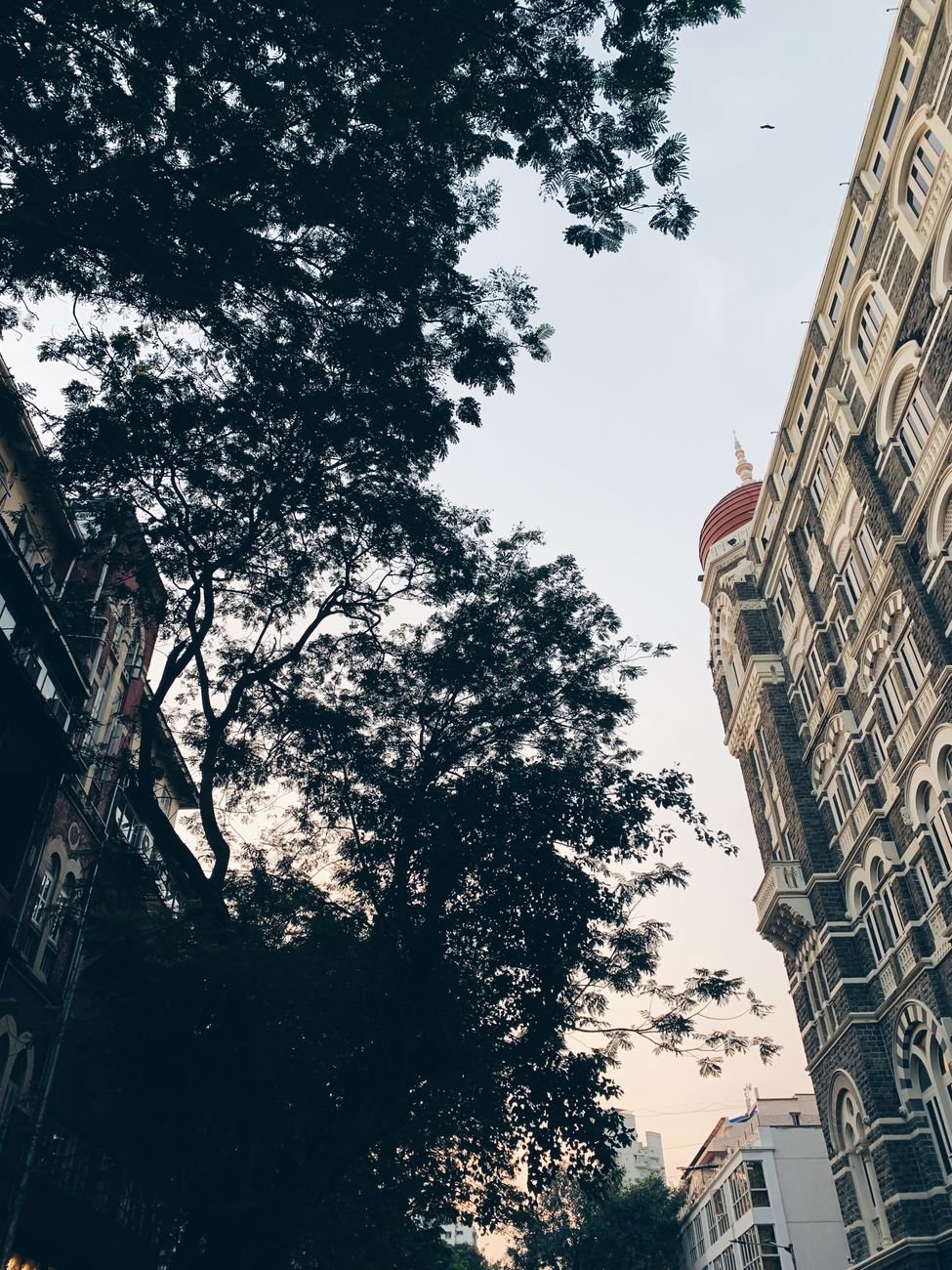
Image by: Swapnil Sharma\nhttps://www.pexels.com/@hellochemo