First-Time Guide to Male: What to Know Before You Go
For many, the mention of the Maldives conjures images of endless azure, sun-kissed overwater bungalows, and tranquil seclusion. And rightly so, for its resorts are indeed paradisiacal. Yet, nestled amidst this scattering of islands, there lies a beating heart, a vibrant pulse that often remains unseen by those hurrying straight to their island havens. I speak of Malé, the compact, colourful capital atoll, a place brimming with stories and a spirit all its own.
To bypass Malé entirely is to miss a crucial chapter in the Maldivian narrative. It’s a city that defies expectations, a bustling urban tapestry woven into an island barely two square miles wide. Stepping onto its shores is an immediate immersion into a different rhythm, a delightful sensory shift from the quiet luxury of the resorts. This is where the real daily life of the Maldives unfolds, a place where ancient traditions meet modern aspirations.
The First Glimpse – Beyond the Azure Hues
Your first encounter with Malé, likely upon arrival at Velana International Airport, sets the stage. A short ferry ride across the impossibly clear waters, and suddenly, a skyline emerges that feels more metropolis than island outpost. Buildings, painted in cheerful hues of green, blue, and terracotta, rise sharply from the water’s edge. The air hums with the gentle thrum of scooter engines, the chatter of vendors, and the distant call to prayer.
It’s a city built vertically and cleverly, maximizing every precious inch of land. As you navigate its labyrinthine streets, you’ll discover a surprising order within the apparent chaos. Each alleyway seems to lead to a new discovery, a hidden teashop, a vibrant mural, or a quiet mosque, inviting you to slow down and simply absorb the atmosphere.
Whispers of the Past – Malé’s Historical Heartbeat
For a soul like mine, drawn to the echoes of history, Malé is a treasure trove. The city has been the seat of various sultanates for centuries, a crucial trading post in the Indian Ocean, and its past is etched into its very fabric. Begin your exploration at the Islamic Centre, a prominent landmark crowned by its golden dome. Its Grand Friday Mosque, with its clean lines and cool interiors, offers a moment of serenity and a glimpse into the spiritual life of the islands.
But the true marvel, in my humble opinion, is the Old Friday Mosque, or Hukuru Miskiy. Constructed primarily from intricately carved coral stone in 1658, it’s a breathtaking testament to Maldivian craftsmanship. The patterns on its walls, the ancient timber structures, and the delicate lacquer work tell tales of a bygone era. Here, you can almost hear the prayers of generations past, feel the weight of history in its quiet courons. Adjacent to it lies a cemetery with ancient coral tombstones, some bearing intricate script, honouring sultans and heroes of old. These aren’t just buildings; they are living archives of a people’s journey.
A Stroll Through Daily Life – Markets and Melodies
To truly understand Malé, you must venture into its markets. The bustling Fish Market, particularly vibrant in the late afternoon, is a symphony of sights and sounds. Fishermen proudly display their day’s catch – shimmering tuna, vibrant reef fish – a direct link to the ocean that sustains this nation. It’s a place of honest toil and genuine interaction, far removed from polished tourist experiences.
Adjacent to it, the Local Market offers an abundance of tropical fruits, vegetables, and local delicacies. Here, you’ll find fragrant spices, bundles of areca nuts, and dried fish, each item telling a story of Maldivian culinary traditions. Engaging with the vendors, even with a simple smile, opens a window into the warm, welcoming spirit of the Maldivian people. These markets are the lungs of the city, breathing life into its streets and showcasing its authentic rhythm.
The Unseen Depths – Folklore and the Sea
One of the most fascinating aspects of Maldivian culture, often overlooked, is its rich tapestry of folklore and its deep connection to the sea. The conversion of the Maldives to Islam in the 12th century is steeped in local legend, often attributed to a Moroccan scholar named Abu al-Barakat Yusuf al-Barbari. Stories whisper of a sea demon, Rannamaari, who tormented the islanders until this pious scholar, through his devotion, banished the creature, paving the way for the new faith. This tale, a blend of pre-Islamic beliefs and later Islamic narratives, speaks volumes about the islands’ spiritual journey.
The National Museum, though modest, offers a tangible connection to these stories and more. Housed in a wing of the former Sultan’s Palace, it showcases artifacts from the Buddhist era, relics of the sultanate, and items illustrating the maritime heritage. It’s here that the myths and legends begin to feel more real, grounded by historical objects. From the ornate ceremonial robes of sultans to ancient navigational instruments, the museum reveals the profound ingenuity and artistic flair of the Maldivian people, who, for centuries, have navigated these waters and carved a unique identity for themselves.
Practicalities for the Curious Traveller
Exploring Malé is best done on foot, allowing you to fully appreciate its scale and discover its many nooks and crannies. The city is generally safe and easy to navigate. Remember that the Maldives is a Muslim nation, so dressing modestly, especially when visiting religious sites, is a sign of respect. Light, breathable clothing is ideal given the tropical climate.
For those considering a visit, the best time to experience Malé’s charm, along with the rest of the Maldives, is typically from November to April. These months offer consistently sunny days and calm seas, perfect for exploring both the city and its surrounding atolls. While Malé might not boast the sprawling beaches of other islands, it offers a cultural richness and a human connection that few other places in the Maldives can match. It’s not just a stopover; it’s an invitation to delve deeper into the soul of this island nation.
A Journey Beyond the Brochure
Malé is a city of delightful contradictions – a bustling capital on a tiny island, a gateway to luxury that offers an authentic, grounded experience. It’s a place where the past lingers in coral stone architecture and the present thrives in vibrant markets. To truly understand the Maldives, one must spend time in its heart, walking its streets, breathing its air, and listening to its stories. It’s a city that rewards curiosity, revealing layers of history, culture, and folklore that transform a simple transit into a memorable journey.
Plan your trip to this destination with TourZen.in – real itineraries, trusted local experts, one simple conversation.
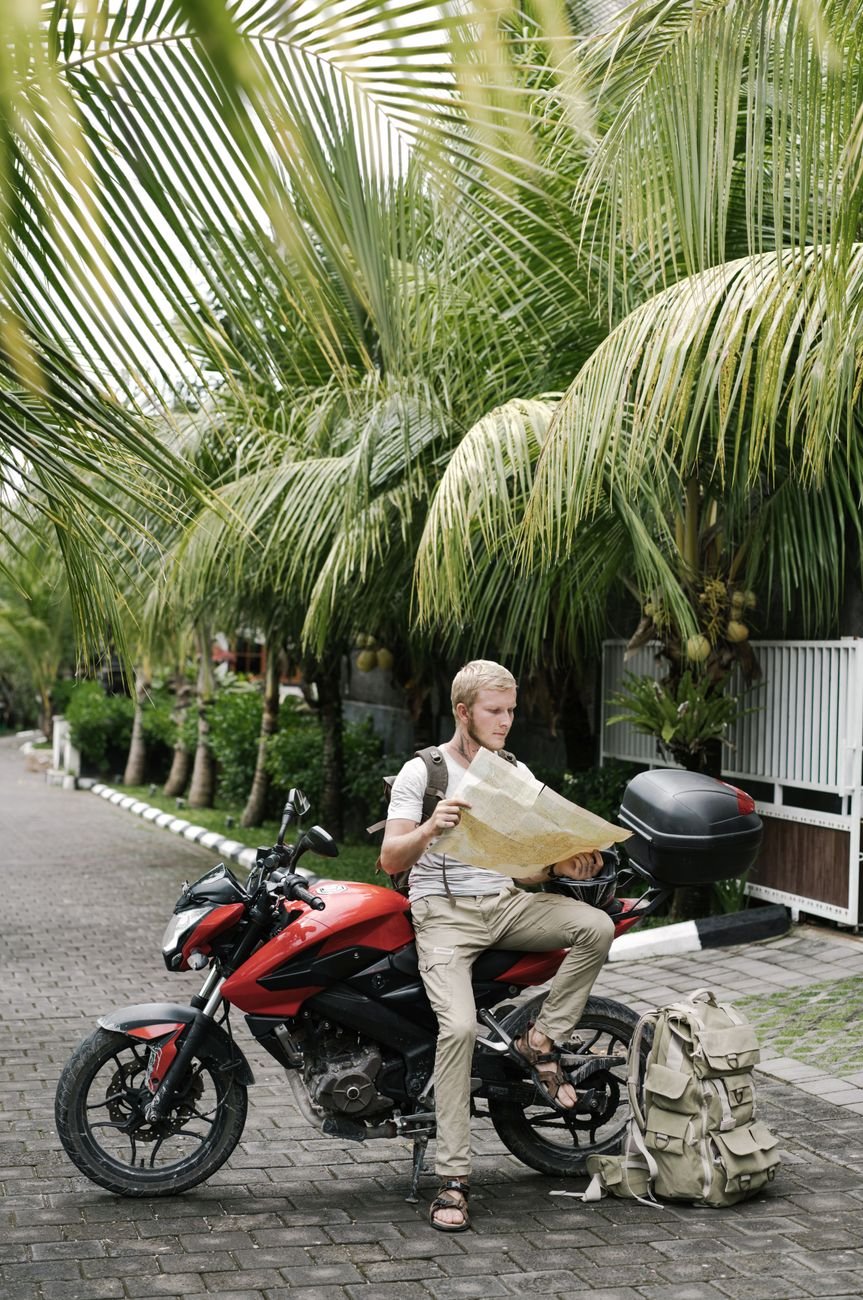
Image by: ArtHouse Studio\nhttps://www.pexels.com/@arthousestudio