Kohima War Cemetery Region, Honestly Explained: A Traveler’s Guide
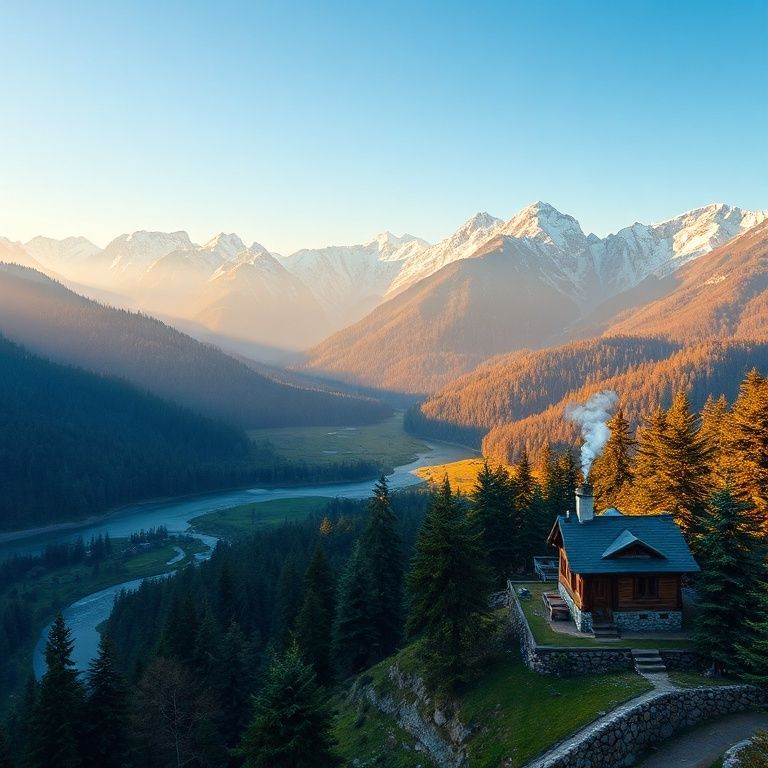
The air bit a little, crisp and cool, a far cry from the sticky humidity I’d left behind just a few hours ago. Stepping out of the shared taxi, blinking in the late afternoon sun, Kohima hits you differently than most Indian cities. It’s got that hilly, sprawling vibe, houses clinging to slopes, but there’s an underlying quietness. Not the buzzing chaos you usually expect. My bag felt lighter all of a sudden, like the weight of the past was more palpable than the weight of my gear. And make no mistake, that past, the one from WWII, it’s not just in the history books here; it’s in the very bones of the place. Which, honestly, is why I made a point to land here first.
First Impressions: History in the Hills
You can read about the ‘Battle of Kohima’ all you want, but nothing quite prepares you for actually being here. The city itself feels like it’s still catching its breath, perched on these incredibly steep hillsides. The roads wind and climb, and every turn gives you a new vista of corrugated iron roofs and dense green. It’s not a city of grand monuments or ancient temples; its grandeur comes from something far more recent, far more heartbreaking. The silence, broken only by the occasional horn or the distant murmur of life, almost feels deliberate, a respectful hush for what happened here.
My first walk was just a wander, letting my feet take me where they wanted, mostly uphill, because that’s just how Kohima rolls. You see glimpses of everyday life – kids playing, women selling vegetables, the smell of woodsmoke – but under it all, there’s this palpable sense of history. It’s not overwhelming, just… present. Like an old friend who sits quietly beside you, occasionally reminding you of a shared, momentous past. It’s a feeling that makes you want to tread a little softer, listen a little closer.
Getting Oriented: Finding Your Feet (and Your Wallet)
Alright, so getting around here? It’s not a metro, obviously, but local shared taxis are your best bet for getting up and down these hills without melting into a puddle. They’re cheap, efficient, and you’ll be sharing a ride with locals who are usually happy to point you in the right direction (or at least laugh good-naturedly at your attempts to speak a local dialect). Don’t expect swanky tourist buses or an Uber on every corner; this is a place where you adapt, and frankly, that’s part of the charm.
Accommodation runs the gamut. I found a guesthouse that was clean, basic, and had a surprisingly good view – perfect for my backpacker budget. There are a few nicer hotels, but honestly, for the experience, a local guesthouse or homestay gives you a better feel for the place and your rupees go a lot further. Food-wise, you’ll find plenty of simple, delicious Naga meals. Think smoked meats, fermented bamboo shoots, and rice – hearty stuff that sticks to your ribs. Don’t expect five-star buffets, but what you *will* find is authentic, flavorful cooking. It’s worth trying the local fare; skip the generic Indian restaurant if you can.
One Standout Moment: The Commonwealth War Cemetery
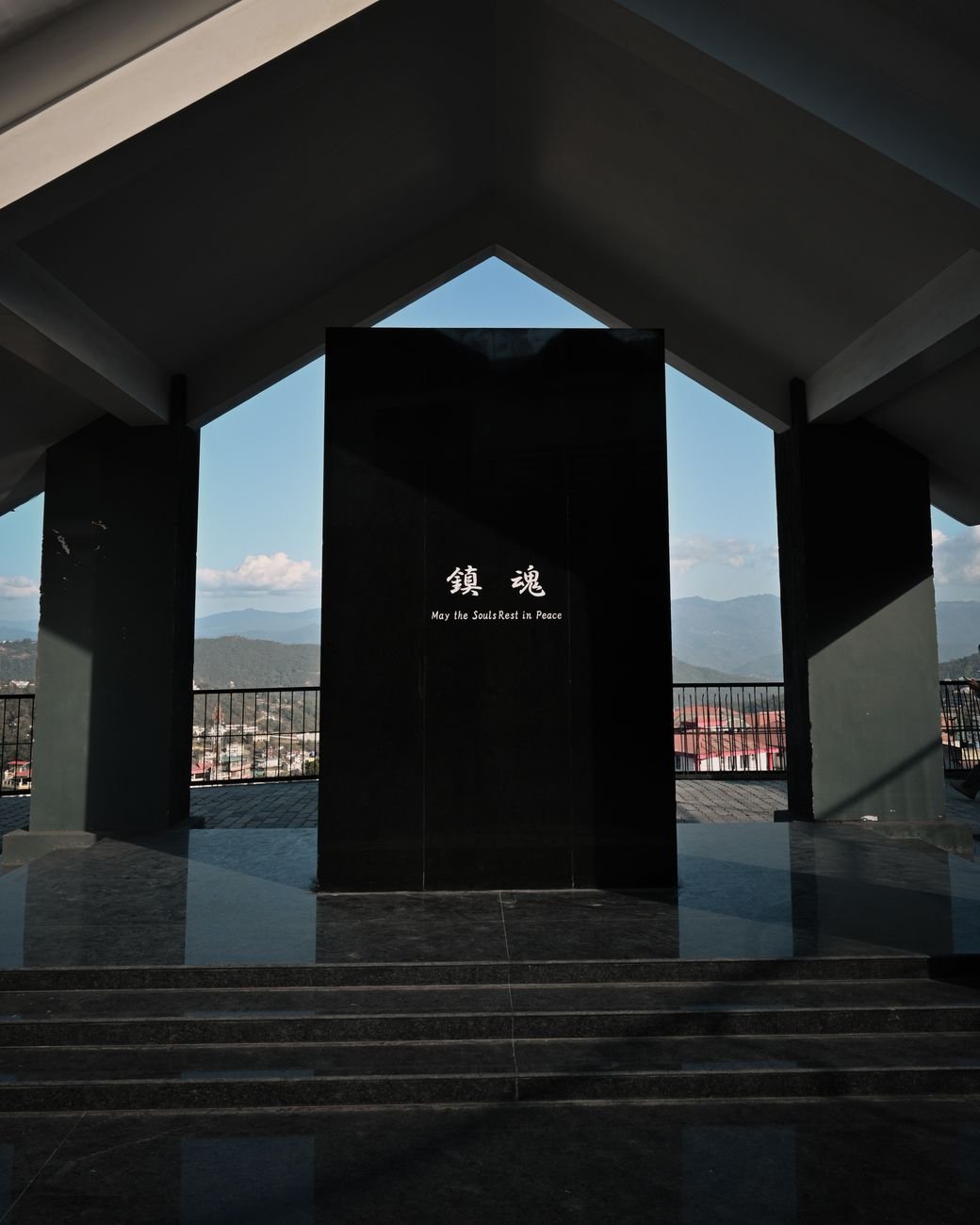
This is it. This is the place that truly brings it home. The Kohima Commonwealth War Cemetery isn’t just a collection of graves; it’s a living, breathing testament to sacrifice. Perched on a hill, meticulously maintained, it’s stark in its beauty. Row after row of white headstones, each one a life, each one telling a small part of a larger, unimaginable story. And right there, nestled among them, the tennis court. Yes, a tennis court. It was the site of some of the most brutal hand-to-hand fighting in WWII, dividing the cemetery from the Deputy Commissioner’s bungalow, which was also a battlefield.
Walking among those graves, reading the inscriptions – young men from across the Commonwealth, many just barely out of their teens – it’s a gut punch. There’s the famous inscription: “When you go home, tell them of us and say, for your tomorrow, we gave our today.” Man, that line. It hits you right in the chest. It’s not just a quote; it’s the quiet, profound truth of the place. I spent hours there, just walking, thinking, absorbing the sheer weight of it all. It’s a place of immense peace now, but you can feel the echoes of the struggle. It’s not a cheerful visit, no, but it’s an incredibly important one. It grounds you, makes you reflect, and gives you a profound respect for the resilience of the human spirit, both in conflict and in remembrance. This isn’t just about history; it’s about humanity, laid bare.
Practical Grounding: Making the Most of Your Trip
If you’re planning a trip to the Kohima War Cemetery region, you’re smart to do your homework. First off, the **best time to visit is from October to March**. The weather is cool, clear, and just perfect for exploring the hills without melting. Avoid monsoon season (June to September) unless you *really* love mud and rain. For getting into Nagaland, remember that visitors often need an Inner Line Permit (ILP) or a Protected Area Permit (PAP) depending on their nationality. Always check the latest government regulations before you travel – it’s not hard to get, but you don’t want to be caught unprepared.
In terms of costs, Nagaland isn’t exactly a budget destination in the same way some other parts of India are, but it’s not going to break the bank either. Be prepared for slightly higher transport costs due to the hilly terrain and less frequent options. Food and basic accommodation are generally reasonable. Just remember to carry enough cash; ATMs are available in Kohima, but not in every small village you might venture into. Safety-wise, Nagaland is generally safe for tourists, but as with any travel, common sense prevails. Be aware of your surroundings, especially at night, and keep your valuables secure.
While the WWII history is a compelling reason to come, the Kohima region is also your gateway to exploring the rich tribal culture of Nagaland. Beyond the famous Hornbill Festival (which is fantastic, but can be crowded and expensive), visiting during the off-season allows you to experience the villages and their unique traditions in a more authentic, unhurried way. Many villages around Kohima offer homestays, providing an incredible opportunity to connect with local communities. It’s a different kind of travel, one that rewards curiosity and a willingness to step off the well-trodden path.
Summary
So, is Kohima worth the journey? Absolutely. It’s not a place you come to for beaches or bustling markets; you come here for history, for quiet reflection, and for a glimpse into a part of India that feels utterly unique. It’s a place that will challenge you, move you, and leave you with a profound sense of respect for the past and the enduring spirit of its people. Take your time, walk the hills, talk to the locals, and most importantly, spend a quiet afternoon at the War Cemetery. It’s an experience that stays with you long after you’ve left.
Plan your trip with TourZen.in – real itineraries, trusted local experts, one simple conversation.
Image by: Votso Sothu\nhttps://www.pexels.com/@votso-sothu-53802751