Iya Valley Isn’t on Everyone’s Radar – Here’s Why It Should Be
Let’s be honest, when I first heard about the Iya Valley, my mind immediately conjured up images of “rustic” – which in travel speak can often mean “charming, if you squint, and you’re prepared to rough it.” Then came the photos of those vine bridges, strung precariously over a raging river, swaying gently with every footfall. My initial thought? “Right, a quick photo op, then back to somewhere with proper cell service.” I wasn’t exactly expecting a hidden gem; more like a quirky detour. But sometimes, it’s those places you approach with the lowest expectations that deliver the biggest surprises.
The Iya Valley, tucked away in the heart of Shikoku, Japan’s smallest main island, is precisely that kind of place. It’s a steep, almost unbelievably verdant gorge, crisscrossed by rivers and the very same vine bridges that piqued my initial, admittedly cynical, interest. I’d read it was one of Japan’s three most remote regions, which sounded less like an invitation and more like a warning. Turns out, it’s neither. It’s an invitation for the curious, and a warning to anyone expecting convenience on a silver platter.
Why It’s Been Overlooked
It’s not hard to see why the Iya Valley hasn’t exploded all over Instagram, even in a country as touristed as Japan. For starters, it’s in Shikoku. Ask most first-time visitors to Japan about their itinerary, and they’ll likely reel off Tokyo, Kyoto, Osaka, maybe Hiroshima. Shikoku barely gets a mention, let alone its deepest, most mountainous interior.
The remoteness isn’t just a marketing tag; it’s a geographical reality. Getting to the Iya Valley involves a bit of effort, often requiring a car or a combination of trains and infrequent buses that cling precariously to the valley sides. This isn’t a place you casually stumble upon between bullet train rides. It demands a deliberate decision, a willingness to venture off the beaten path, and perhaps a slight tolerance for winding mountain roads.
There are no neon lights, no sprawling shopping districts, and frankly, not much that screams “modern tourist attraction.” It’s largely a collection of small hamlets, traditional farmhouses, and raw, unfiltered nature. For those seeking the familiar comforts and high-speed efficiency of urban Japan, the Iya Valley can feel like stepping into another dimension entirely – one where Wi-Fi is patchy and convenience stores are few and far between.
This very inaccessibility, however, is precisely its charm. It filters out the casual visitor, leaving a more intimate experience for those who make the journey. My initial skepticism about its lack of “buzz” quickly evaporated once I realised that its obscurity was its greatest asset, preserving a sense of timelessness that’s increasingly rare.
What Makes It Worth the Detour
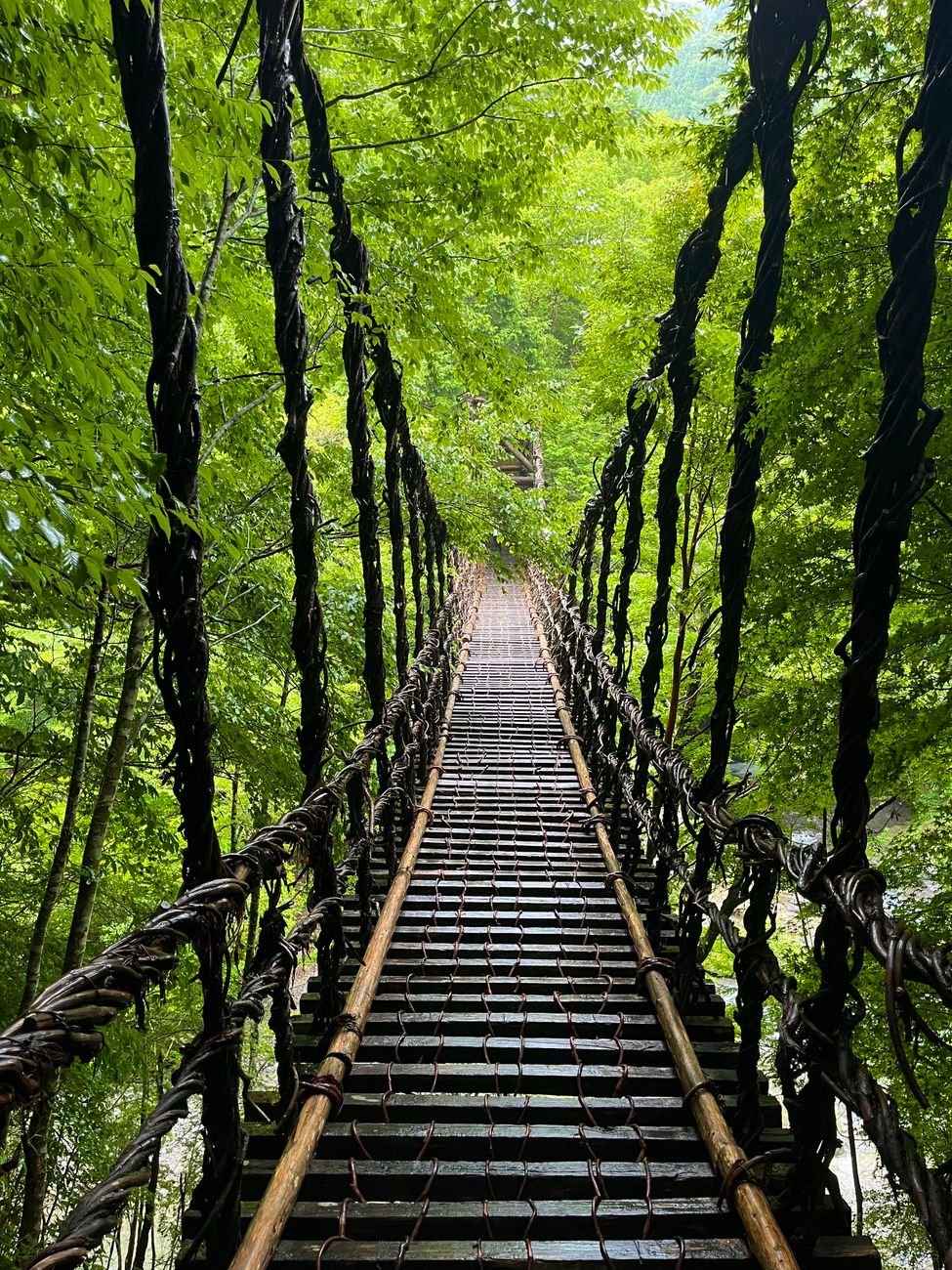
So, back to those vine bridges. The Kazurabashi Bridge, often the star of the show, is exactly as advertised: ancient, creaky, and breathtakingly high above the Iya River. Stepping onto those hand-woven vines, feeling them sway beneath your feet, is an immediate jolt. It’s part thrill, part history lesson, and entirely unlike anything else you’ll do in Japan. I expected a manufactured tourist trap; what I got was a genuinely exhilarating experience that felt surprisingly authentic.
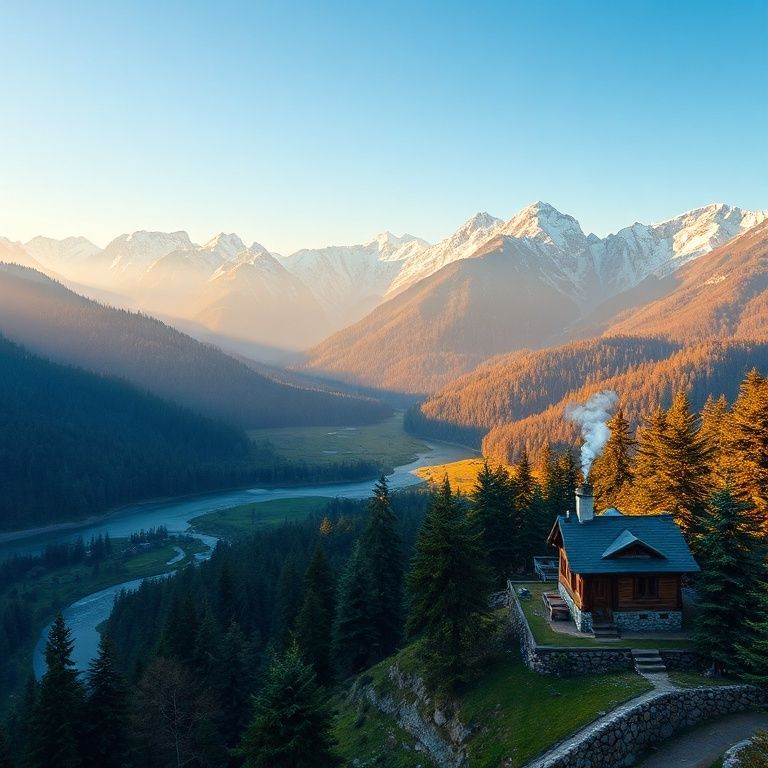
But the bridges are just the beginning. The valley itself is a tapestry of steep slopes cloaked in cedar and cypress, often shrouded in a soft mist that lends it an ethereal quality. Driving (or riding a bus) through the winding roads, you’re constantly treated to dramatic vistas of the river far below, carving its way through the rugged landscape. I’d anticipated some pretty scenery, sure, but the sheer scale and untouched grandeur of it all truly surprised me.
Beyond the main Kazurabashi, a short drive further into the ‘Oku-Iya’ (Deep Iya) region will lead you to the Niju Kazurabashi, a pair of even more remote vine bridges. These felt even more secluded, almost like a secret discovery. The whole area feels like it’s guarding ancient traditions, from the thatched-roof farmhouses clinging to the hillsides to the quiet rhythms of daily life.
There are also some genuinely quirky sights. The scarecrow village, for example, a place where life-sized scarecrows outnumber human residents, adds an unexpected, slightly surreal touch to the landscape. It’s not on every postcard, but it’s precisely the kind of oddity that sticks with you. And if you’re into a bit of lighthearted fun, spotting the cheeky Manneken Pis statue perched on a cliff edge, overlooking the valley, adds a nice, unexpected touch of humor to the rugged surroundings.
For those seeking tranquility, the Iya Valley delivers in spades. There are numerous hiking trails, hot springs (onsens) offering soothing respite, and simply endless opportunities to breathe in the clean mountain air. It’s a place that forces you to slow down, to appreciate the quiet majesty of nature, and to disconnect from the constant digital hum. My low expectations for “things to do” were completely upended by the sheer joy of simply *being* there.
Practical Basics
Best Time to Visit: The sweet spot for the Iya Valley is generally from April to November. Spring brings fresh greenery and comfortable temperatures, while autumn, particularly October and November, transforms the valley into a spectacular canvas of fiery reds, oranges, and golds. Summer is lush and green, though it can be humid, and winter sees heavy snowfall, making some areas inaccessible and roads potentially challenging.
Getting There: As mentioned, getting to the Iya Valley requires a bit of planning. Most visitors arrive via Oboke Station, which is accessible by JR train. From there, local buses serve parts of the valley, but their frequency is limited. Renting a car, especially from a major city like Takamatsu or Tokushima, is often recommended for maximum flexibility to explore the deeper parts of the valley and reach some of the more remote attractions. Be prepared for narrow, winding mountain roads.
Accommodation: You won’t find large hotel chains here. Instead, expect a charming array of traditional ryokan (Japanese inns), guesthouses, and minshuku (family-run inns), many of which feature local cuisine and sometimes even their own hot springs. Booking in advance, particularly during peak seasons, is advisable.
Safety: Japan is renowned for its safety, and the Iya Valley is no exception. However, given its mountainous terrain and sometimes steep roads, standard precautions apply, especially if hiking or driving. Be aware of weather conditions, especially during heavy rain or snow, and ensure your phone is charged (though signal can be spotty in some areas).
Costs: While not excessively expensive, a trip to the Iya Valley isn’t a budget backpacker’s dream. Accommodation, especially traditional ryokans, can be moderate to high, and getting around by car adds rental costs. However, the experiences you gain – the unique bridges, the untouched nature, the sense of stepping back in time – offer incredible value that often outweighs the financial outlay.
Summary
I went to the Iya Valley expecting a minor curiosity, a remote corner of Japan that might offer a quick photo op and little else. What I found instead was a place that genuinely captivated me, proving my initial cynicism completely unfounded. It’s not for everyone, certainly not for those who prefer their travel experiences pre-packaged and easily accessible. But for anyone willing to put in a little extra effort, to embrace the quiet, and to let nature truly astound them, the Iya Valley offers a deeply rewarding and utterly unforgettable experience. It’s a place that asks for your patience and rewards you with a piece of Japan that feels truly, wonderfully untouched.
Plan your trip with TourZen.in – real itineraries, trusted local experts, one simple conversation.
Image by: Jacopo\nhttps://www.pexels.com/@jacopo-2147673368