Pelion Peninsula: Where to Go When You’ve ‘Done’ the Obvious Spots
Honestly, when I first heard about the Pelion Peninsula, tucked away in mainland Greece, I didn’t expect much. Another pretty Greek spot, sure, probably good for a beach day or two, but nothing truly special. My mental image was probably a bit too close to every other picturesque coastal town I’d scrolled past online. But then I arrived, and the first thing that hits you isn’t the sea – not directly, anyway – it’s the sheer, almost primal density of the ancient chestnut and beech forests. Suddenly, you’re not just looking at a coastline; you’re amidst stone-built mountain villages, impossibly old, clinging to slopes that plunge dramatically towards the Aegean. It’s a completely different kind of magic, and two days here is enough to get a taste of just how wrong my initial assumptions were.
Day 1 – Up in the Canopy
-
Morning: Lost in Time in Makrinitsa
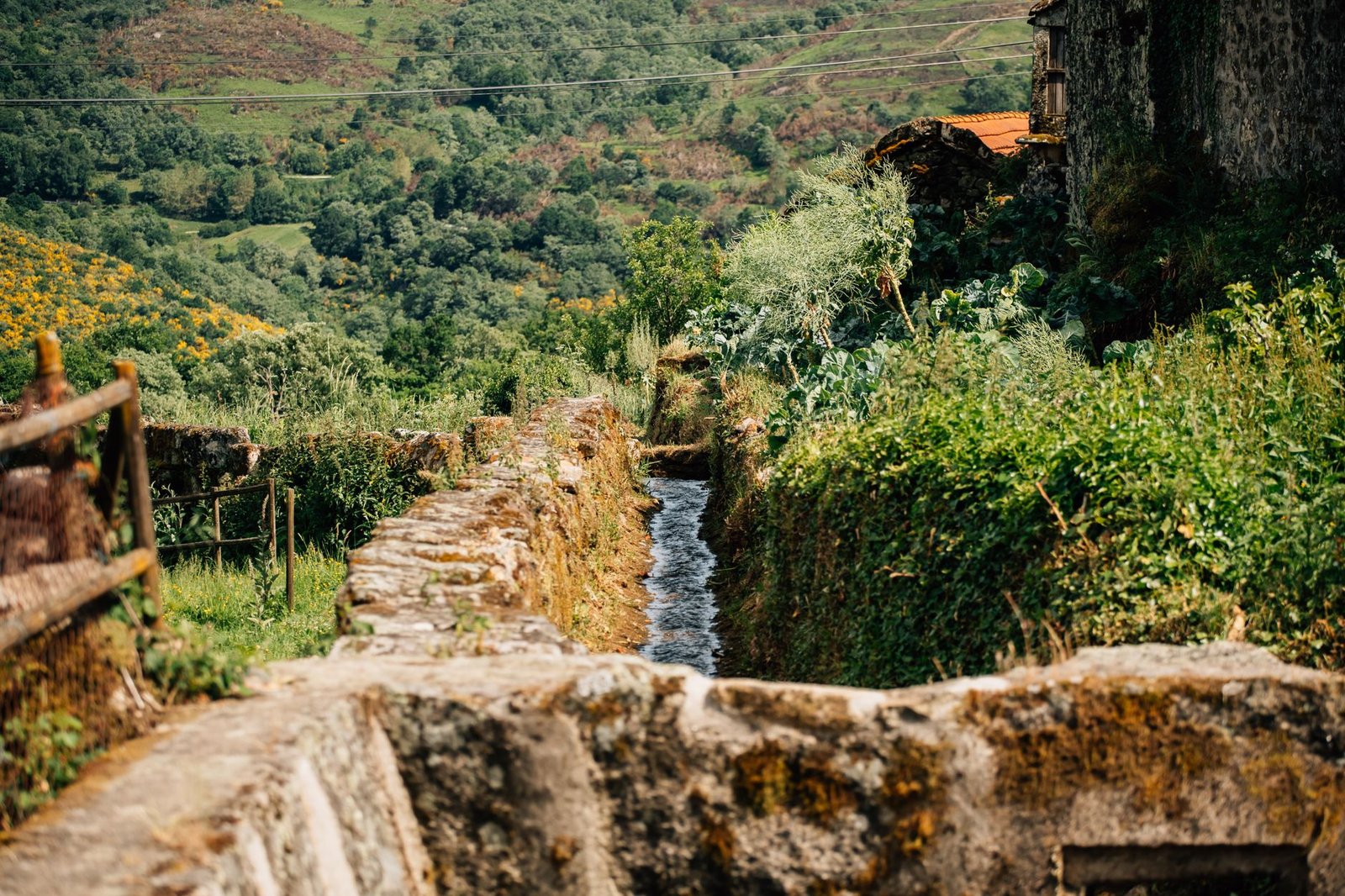
I rolled into Pelion with the typical “been there, done that” attitude for Greek villages, fully expecting another whitewashed postcard scene. Makrinitsa, however, promptly disabused me of that notion. It’s known as the “Balcony of Pelion,” and for good reason. Perched high above Volos, this place is all grey stone, ancient plane trees, and cobbled kalderimia (pathways). We checked into a traditional guesthouse – not some sterile hotel, but a place with wooden ceilings and a view that honestly took my breath away. Spend the morning simply wandering. The main square, Plateia Manolaki, is the heart of it all, with its spring water gushing from stone lion heads. It feels like stepping into a different century, and I mean that in the best possible way. Skip the rush, grab a Greek coffee, and just watch the light play on the ancient buildings.
-
Afternoon: Forest Trails and Village Flavours
After a morning of admiring architecture, it was time to embrace the forest that I’d been so dismissive of initially. From Makrinitsa, there are plenty of well-marked trails that plunge into the chestnut and beech woods. We opted for a relatively easy one, just an hour or so, and the air was crisp, clean, and scented with damp earth and pine. It’s a proper nature immersion, a world away from the dusty, sun-baked landscapes I usually associate with Greece. For lunch, we found a small taverna in a nearby village – I won’t name it, part of the fun is finding your own hidden gem – that served a hearty plate of local sausage and greens. Simple, unfussy, and exactly what was needed after a walk.
-
Evening: Sunset in Portaria
As evening approached, we made our way to Portaria, another stunning mountain village just a short drive from Makrinitsa. The villages here are close enough that you can easily hop between them. Portaria has a slightly more lively vibe than Makrinitsa but retains all its traditional charm. Finding a spot for dinner with a view was surprisingly easy; most tavernas seem to understand that watching the sunset paint the sky over the Pagasetic Gulf is part of the appeal. The food was classic Greek mountain fare – rich stews, slow-cooked meats, and local cheeses. It was a perfect end to a day that completely shattered my expectations of what Greece could offer beyond its islands.
Day 2 – From Peaks to the Aegean
-
Morning: The Wild Side of the Aegean
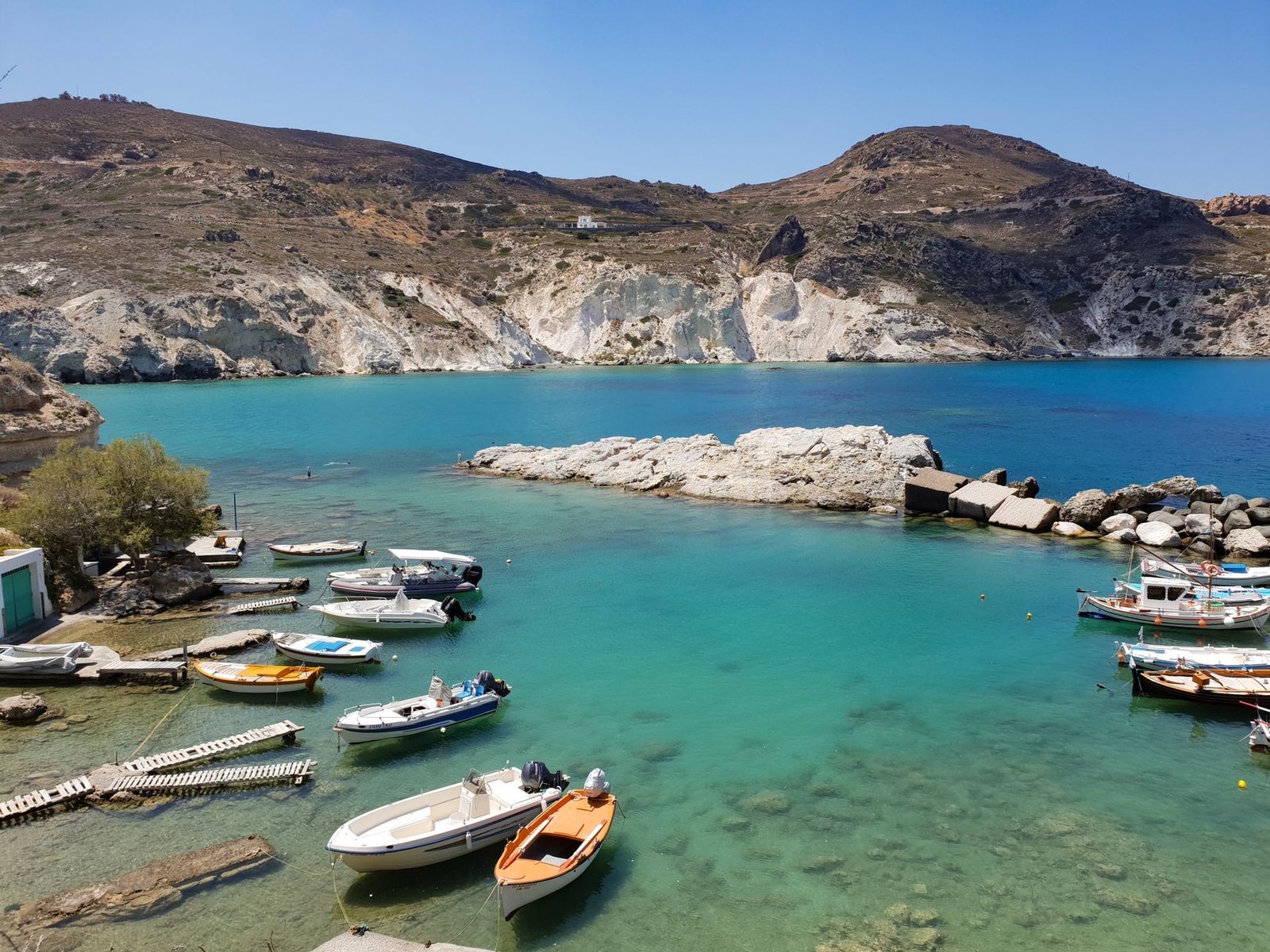
Day two was about finally reaching that other sea – the Aegean. While the Pagasetic Gulf side is calmer, the Aegean side of Pelion is a different beast entirely: wilder, more dramatic, with pebble beaches carved into cliffs. We drove towards the eastern coast, winding down roads that, frankly, felt like they were designed for goats, not cars, but the views were worth every white-knuckle turn. We settled on Mylopotamos beach. It’s famous, yes, but not in an overcrowded way. The water is an incredible turquoise, framed by rugged rocks and lush greenery. The contrast from the mountain villages to this untamed coastline is striking and precisely what makes Pelion so compelling. I expected just another beach, but this felt like something out of an adventure novel.
-
Afternoon: Coastal Charms and Local Bites
After a refreshing dip (or several, the water was that good), we headed to a nearby coastal village for a late lunch. There are many options – Damouchari, Agios Ioannis, or Papa Nero. These villages tend to be smaller, more focused on sea-life and local tavernas specializing in fresh seafood. Expect simple, delicious dishes: grilled octopus, sardines, and whatever the fishermen brought in that morning. Sitting by the water, with the sound of the waves and the salty air, I realised Pelion truly offers the best of both worlds. The initial thought that it might be ‘lesser’ because it wasn’t an island felt utterly ridiculous by this point.
-
Evening: Farewell Views or a Gentle Departure
Depending on your onward journey, you could either head back up to one of the mountain villages for a final, serene dinner, perhaps catching a different sunset view, or opt for a relaxed evening in a coastal town. If you’re staying another night, the mountain villages truly shine in the quiet of the evening. If you’re departing, a leisurely drive back towards Volos, allowing for a stop at a scenic overlook, is a fantastic way to cap off the trip. The journey itself becomes part of the experience, the shifting landscapes a constant reminder of how diverse this relatively small peninsula is.
Getting There & Getting Around
The easiest way into Pelion is via Volos, which has a small airport (VOL) with seasonal flights, or you can fly into Thessaloniki (SKG) and rent a car for the scenic 2-3 hour drive south. Athens (ATH) is also an option, but it’s a longer 4-5 hour drive. Public transport exists to some of the larger towns, but frankly, you’ll be doing yourself a disservice. Pelion is made for exploration, and a rental car is absolutely essential if you want to experience the hidden villages and secluded beaches. The roads can be winding and narrow, especially in the mountains, so a confident driver is a plus. But seriously, don’t skimp on the car. This isn’t a place for buses.
Summary
I came to Pelion expecting a pretty, but ultimately forgettable, Greek detour. What I found was a place brimming with unexpected depth and a unique character that truly sets it apart. It’s that rare combination of rugged mountains, ancient forests, and pristine beaches – a landscape that feels distinctly European, yet still wonderfully Greek. The stone villages felt genuinely untouched, the hikes through the chestnut groves were invigorating, and the Aegean coast offered that wild, untamed beauty I crave. If you’ve “done” the predictable Greek islands and are looking for somewhere that offers a different kind of charm, something a bit more off the beaten track but still undeniably magical, Pelion is absolutely where you should go. It’s the kind of place that teaches you to abandon those preconceived notions and just let yourself be surprised.
Plan your trip with TourZen.in – real itineraries, trusted local experts, one simple conversation.
Image by: Daciana Cristina Visan\nhttps://www.pexels.com/@daciana-cristina-visan-2149801141