Ile de Re: Where to Go When You’ve ‘Done’ the Obvious Spots
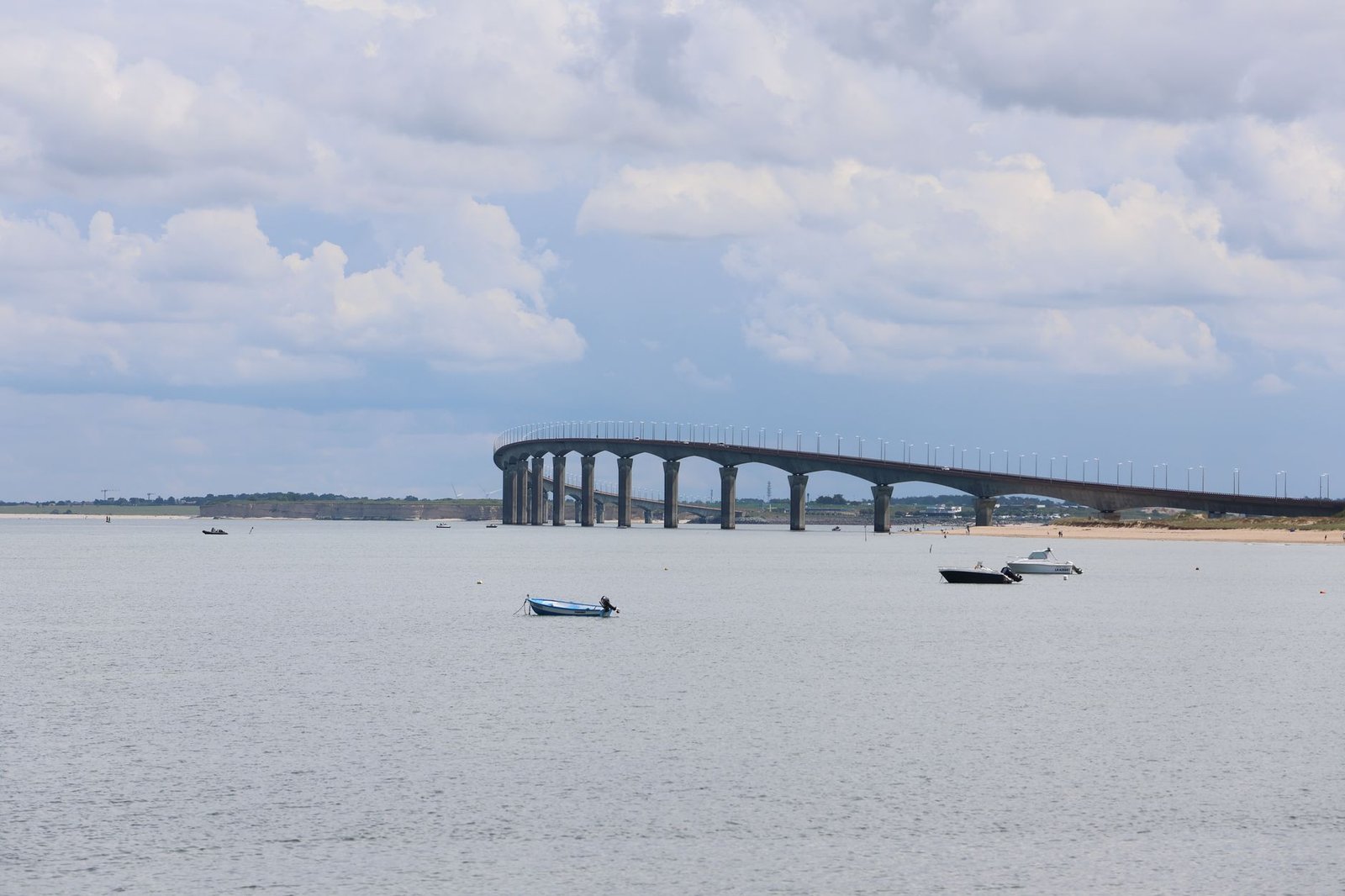
Just off the bridge from La Rochelle, the first thing that strikes you on Ile de Re isn’t the whitewashed villages or the sea air; it’s the sheer number of bicycles. Not a leisurely weekend affair, but the island’s primary mode of transport. Locals, delivery drivers, families – everyone seems to be on two wheels, often with baskets brimming with market finds. This isn’t a quaint affectation; it’s how the island functions, and any serious visitor needs to understand that from the outset. Your car, if you brought one, will mostly sit parked. Your legs, however, will get a workout.
First Impressions: Getting Down to Business
The journey over the toll bridge from La Rochelle is straightforward. If you arrive by train to La Rochelle, regional buses connect directly to various points on the island. This is the most sensible way to arrive without your own vehicle. Once you are on the island, the landscape is noticeably flat. This is not a place of dramatic cliffs, but rather wide-open skies, salt marshes, and low-lying coastal vegetation. It feels distinctly different from the more rugged parts of France or the Mediterranean coast.
Accommodation ranges from small guesthouses to larger rental properties. Book well in advance, especially for peak season. Don’t expect to just show up and find a bargain. Prices here reflect the island’s popularity among French holidaymakers who appreciate its understated charm and practical layout. It’s a place for structured relaxation, not spontaneous adventuring.
Getting your bearings on arrival primarily involves securing a bicycle. Rental shops are plentiful in every major village. Invest in a decent one, possibly with a basket. This is not a place for cheap, unreliable rentals; your bike is your primary tool for navigation. Ensure you understand the local road rules and use cycle paths whenever possible. Safety first.
Getting Oriented: Your Operational Base
Ile de Re is criss-crossed by an extensive network of dedicated cycling paths. These are well-maintained and clearly signposted, making navigation simple. You can easily cycle between the island’s ten villages, each offering its own small port, market, and amenities. Saint-Martin-de-Re is the de facto capital, with the most shops and restaurants, but villages like La Flotte or Ars-en-Re also offer good bases.
The island’s flat terrain makes cycling accessible for most fitness levels, but don’t mistake ‘flat’ for ‘effortless’. The Atlantic winds can be a factor, so plan your routes with that in mind. Always check the weather forecast before setting out for the day. A sudden squall can make a long ride uncomfortable, even in summer.
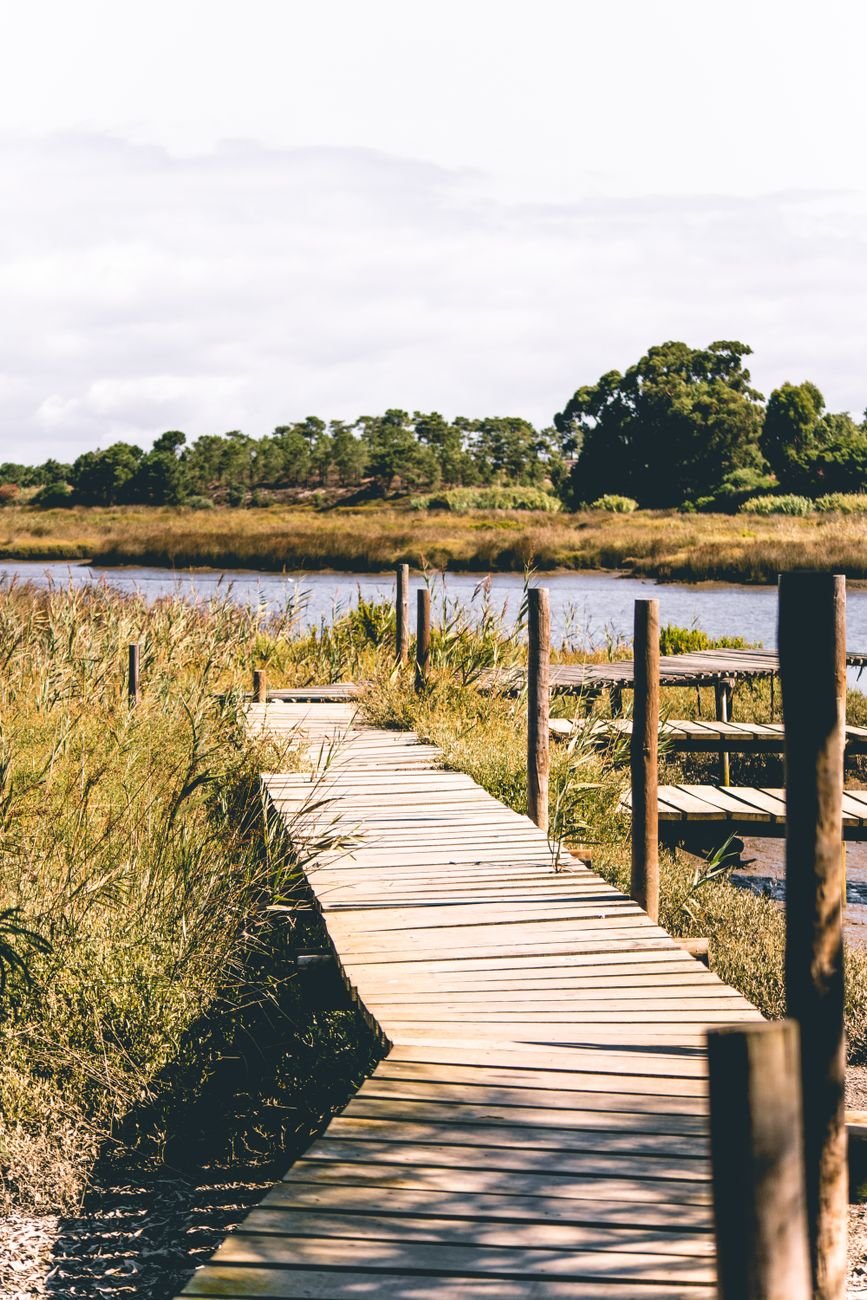
Beyond the picturesque villages, the island’s salt marshes are a prominent feature. These are working landscapes, not just scenic backdrops. You’ll see salt workers, known as sauniers, tending to the salt pans. Respect private property and observe from designated viewpoints. These marshes contribute significantly to the local economy and ecology. There are also oyster farms along the coast, another key local industry. This is a place where nature and livelihood are closely intertwined.
While cycling is king, local buses do operate, connecting the main villages. However, services are less frequent outside of the peak summer months. Do not rely on them for flexibility or late-night transport. If you plan to explore extensively, your bicycle is your most reliable option. Taxis are available but can be expensive for regular use. Factor transport costs into your budget if you aren’t committing to cycling.
One Standout Moment: The Lighthouse Cycle
One afternoon, I decided on a ride to the Phare des Baleines, the ‘Lighthouse of Whales,’ located at the westernmost tip of the island. It’s a classic destination and for good reason. The cycle route out there is well-defined, taking you through various landscapes, including some marshy areas and past a few vineyards. It’s a solid ride, maybe 15-20 kilometers depending on your starting point, so allocate a good few hours for the round trip plus time at the site.
The practicalities are key here: bring sufficient water and perhaps a small snack. There are limited refreshment stops directly on the path in some sections. Secure your bike properly at the lighthouse; these are tourist hubs, and opportunists exist everywhere. The climb up the lighthouse itself is substantial – over 250 steps. It’s not for those with mobility issues or a fear of heights, but the panoramic views from the top are excellent. You get a real sense of the island’s shape and its relationship with the vast Atlantic. This isn’t just a pretty view; it’s an educational moment, showing the strategic importance of this coastline.
On the way back, a stop at a local oyster hut for fresh seafood is a sensible choice. Look for the less flashy ones, often just simple shacks by the water. The quality is usually better, and the prices are more reasonable. This is part of the local experience, not a fine dining event. Keep it simple and enjoy the produce.
Practical Grounding: Essential Information
Best Time to Visit
The window for visiting Ile de Re runs from May to September. Outside these months, the weather becomes less predictable, and many establishments, including restaurants and bike rental shops, reduce their hours or close entirely for the season. If you come during the peak months of July and August, expect larger crowds and higher prices for accommodation. May, June, and September offer good weather with fewer visitors, making for a more relaxed experience.
Visa Notes
France is part of the Schengen Area. Travellers from most non-EU countries will need to adhere to Schengen visa requirements. It is imperative that you check the latest visa regulations for your nationality well in advance of your travel dates. Do not assume your passport automatically grants entry; verify your specific requirements through official government channels.
Safety and Security
Ile de Re is generally a safe destination. However, standard travel precautions always apply. Keep your valuables secure, especially when cycling or visiting crowded markets. Bike theft, while not rampant, can occur, so always use a good quality lock when leaving your bicycle unattended. Be aware of your surroundings, particularly after dark, though most villages are quiet and well-lit. Emergency services are reliable; know the local emergency numbers.
Costs and Budgeting
Ile de Re is not a budget destination, especially for accommodation. Expect higher prices for rentals and hotels during the high season. Eating out can also add up quickly. To manage costs, consider self-catering part of your trip, utilizing the excellent local markets for fresh produce and seafood. Bicycle rental is a necessary expense, but it saves on car rental and fuel. Plan your budget realistically, factoring in transport, accommodation, food, and any activities.
Summary
Ile de Re offers a distinct European experience for those who have explored the more conventional spots and are seeking something different. It is a place built around a practical, active lifestyle, primarily defined by cycling and an appreciation for local industries like salt production and oyster farming. Come prepared for a holiday where your main mode of transport is also your primary activity. It’s about quiet villages, open skies, and a structured approach to relaxation. If you value efficiency, good planning, and a genuine connection to a unique European island, Ile de Re delivers practical satisfaction.
Plan your trip with TourZen.in – real itineraries, trusted local experts, one simple conversation.
Image by: arnaud audoin\nhttps://www.pexels.com/@arnaud