First-Time Guide to Santiago: What to Know Before You Go
By Rajesh
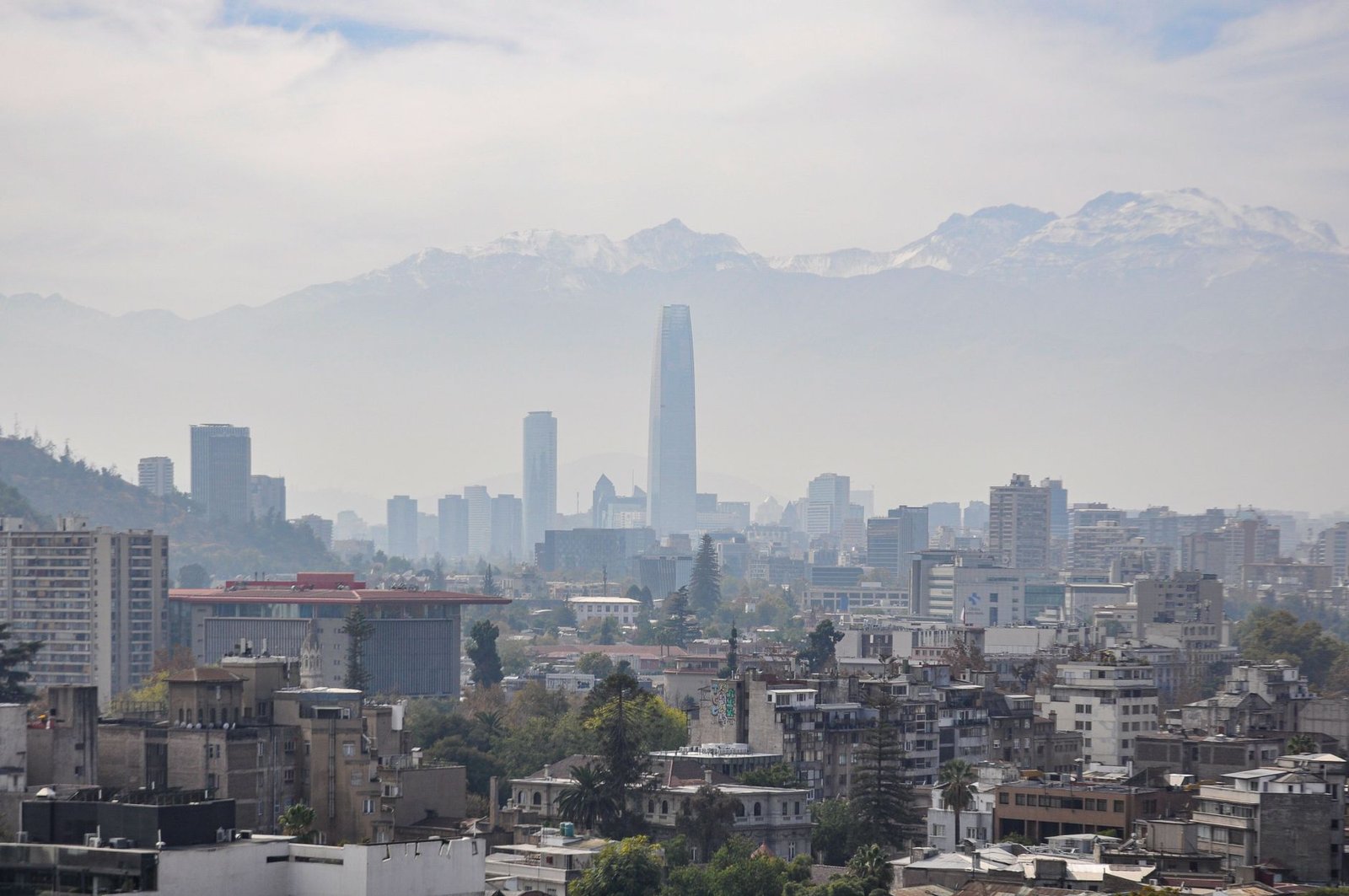
The Andes hadn’t quite revealed their full majesty when my flight began its descent into Santiago. It was late March, the city still warm from summer but with a clear, crisp edge to the air that hinted at autumn’s arrival. This is one of the sweet spots for visiting, I’d been told, and now I could see why. The light was gentle, the air clean, and the mountains, though still shrouded in a morning haze, promised a spectacular backdrop to this sprawling capital.
Getting through immigration was efficient, as long as you have all your papers in order. Always double-check visa requirements for Chile well in advance of your trip; they vary depending on your nationality. Have your accommodation details handy, as they often ask for an address. From the airport, options for getting into the city are clear: licensed taxis, official airport buses, or pre-booked transfers. I opted for a pre-booked transfer, which, while slightly more expensive, offered peace of mind after a long journey. Don’t let touts inside the terminal sway you; stick to the official counters or clearly marked services.
Settling In and Getting Your Bearings
My base was in Providencia, a well-connected neighbourhood that makes for a practical starting point. It’s safe, has plenty of amenities, and offers excellent access to the metro system. The Santiago metro is efficient and clean, a crucial tool for navigating the city. Invest in a Bip! card immediately; you can buy and load it at any station. It saves you hassle and money. Walking is also viable in many central areas, but the city is large, so plan your routes with the metro in mind.
One of the first things you notice about Santiago, beyond the urban hum, is the ever-present Andes. They ring the city, a constant, majestic presence. This geographic reality isn’t just for show; it means Santiago is a gateway. You’re not just exploring a city; you’re on the cusp of world-class vineyards and epic mountain adventures. If you have any inclination to visit the Colchagua Valley for wine tasting or head up into the Andes for a day trip, Santiago is the logical launchpad.
Exploring the City’s Pulse
I started my exploration in the historic centre. Plaza de Armas is the beating heart, surrounded by significant architecture: the Metropolitan Cathedral, the Central Post Office, and the Palacio de la Real Audiencia. It’s busy, full of life, and a good spot for people-watching. Just be mindful of your belongings in crowded areas – standard city smarts apply here. Keep your phone and wallet secure, especially when distracted by the street performers or vendors.
A short walk leads to the Mercado Central, a magnificent iron-structure market bustling with seafood stalls and restaurants. Lunch here is an experience, though expect it to be lively and a bit chaotic. Prices can vary, so it’s wise to check before ordering. For something quieter, the Lastarria neighbourhood offers a different vibe – bohemian, with art galleries, boutique shops, and charming cafes. It’s perfect for a relaxed afternoon stroll and an evening meal. This area felt particularly safe and welcoming, even after dusk, but I still maintained my usual level of awareness.
For panoramic views, a visit to Cerro San Cristóbal is essential. You can ascend via funicular or cable car. I took the funicular up and walked down part of the way, enjoying the changing perspectives of the city beneath the mountains. Try to go on a clear day, especially if you’re visiting during one of the recommended periods (March–May or September–November), when the air quality is generally better and the views are unobstructed. This is when the city truly shines, both literally and figuratively.
Practicalities and Preparations
When it comes to money, credit cards are widely accepted in most establishments, but always carry some Chilean pesos for smaller purchases, market vendors, or tipping. ATMs are readily available, but be aware of foreign transaction fees from your bank. It’s always good practice to notify your bank of your travel plans to avoid any issues with your cards being frozen.
Safety is a common concern for any traveller, and Santiago is no different. It’s generally a safe city for tourists, but like any large urban area, petty crime, particularly pickpocketing, can occur. Be vigilant in crowded places, on public transport, and in tourist-heavy areas. Avoid displaying expensive items, and don’t carry large amounts of cash. If you plan to go out at night, use reputable taxi services or ride-sharing apps, and always confirm the driver and vehicle details. Trust your gut; if a situation feels off, remove yourself from it.
The best time to visit Santiago, as I experienced, is during the shoulder seasons – March to May for autumn, and September to November for spring. The weather is pleasant, not too hot or too cold, and the tourist crowds are manageable. This allows for comfortable exploration, whether you’re walking through parks or taking day trips to the surrounding areas. The extreme temperatures of summer (December-February) or the colder, sometimes smoggy, winter months (June-August) are generally less ideal for a city break.
Overall, Santiago presents itself as a city of contrasts: historic and modern, urban and wilderness. It requires a practical approach to navigate, but it rewards the prepared traveler with a rich experience. The cost of living and travel here can be moderate; it’s not the cheapest destination in Latin America, but it’s not prohibitively expensive either, especially if you plan your budget carefully for accommodation, transport, and meals. With a bit of planning and common sense, it’s an excellent choice for a city break, offering both cultural immersion and a springboard to the natural wonders of Chile.
Plan your trip to this destination with TourZen.in – real itineraries, trusted local experts, one simple conversation.\n\nImage by: Nikolai Kolosov\nhttps://www.pexels.com/@nikolai-kolosov