Choosing Between Renting a Car and Using Public Transport: A No-Nonsense Guide
For years, my approach to getting around a new place was rather uninspired, I admit. It was a simple, almost reflexive, decision: if the destination was a bustling city with a subway map as complex as a spiderweb, public transport it was. If it was a more rural escape, a car key was already in my hand. This binary thinking, while seemingly straightforward, often led to either missed opportunities for genuine connection or unnecessary frustrations on the road. I found myself either insulated from local life or tethered to a schedule that felt far too rigid for the serendipitous spirit of travel.
It was during a particularly delightful misadventure in a sprawling region, where I’d stubbornly relied on infrequent buses, that I truly began to reconsider. I spent more time waiting at windswept stops than exploring the very ancient ruins I’d traveled so far to see. The lesson wasn’t that public transport was inherently bad, or that car rentals were always the answer; it was that I’d been asking the wrong questions all along. The true wisdom, I discovered, lay in understanding the interplay of the destination itself and the very essence of my journey.
Destination Layout: The Threads of a Place
Think of how a place unfurled and grew over centuries. Was it a port city, its commerce flowing through narrow, winding lanes designed for foot traffic and handcarts, later adapting to trams and metros? Or was it a more recently settled agricultural expanse, where communities are spread wide, connected by roads built for speed and personal vehicles? This historical footprint profoundly influences how you should navigate it today.
Dense, Historic Urban Cores
In cities where history is etched into every cobblestone, and buildings stand shoulder-to-shoulder, public transport often reigns supreme. Consider the ancient medinas of North Africa, the labyrinthine alleyways of Venice, or the carefully preserved historical centers of European capitals. These are places built before the age of the automobile, where streets are often too narrow for cars, parking is a myth, and walking is part of the experience. Here, a metro pass isn’t just a ticket; it’s a key to the city’s pulse, ferrying you alongside locals on their daily routines, offering glimpses into everyday life that a private car would obscure.
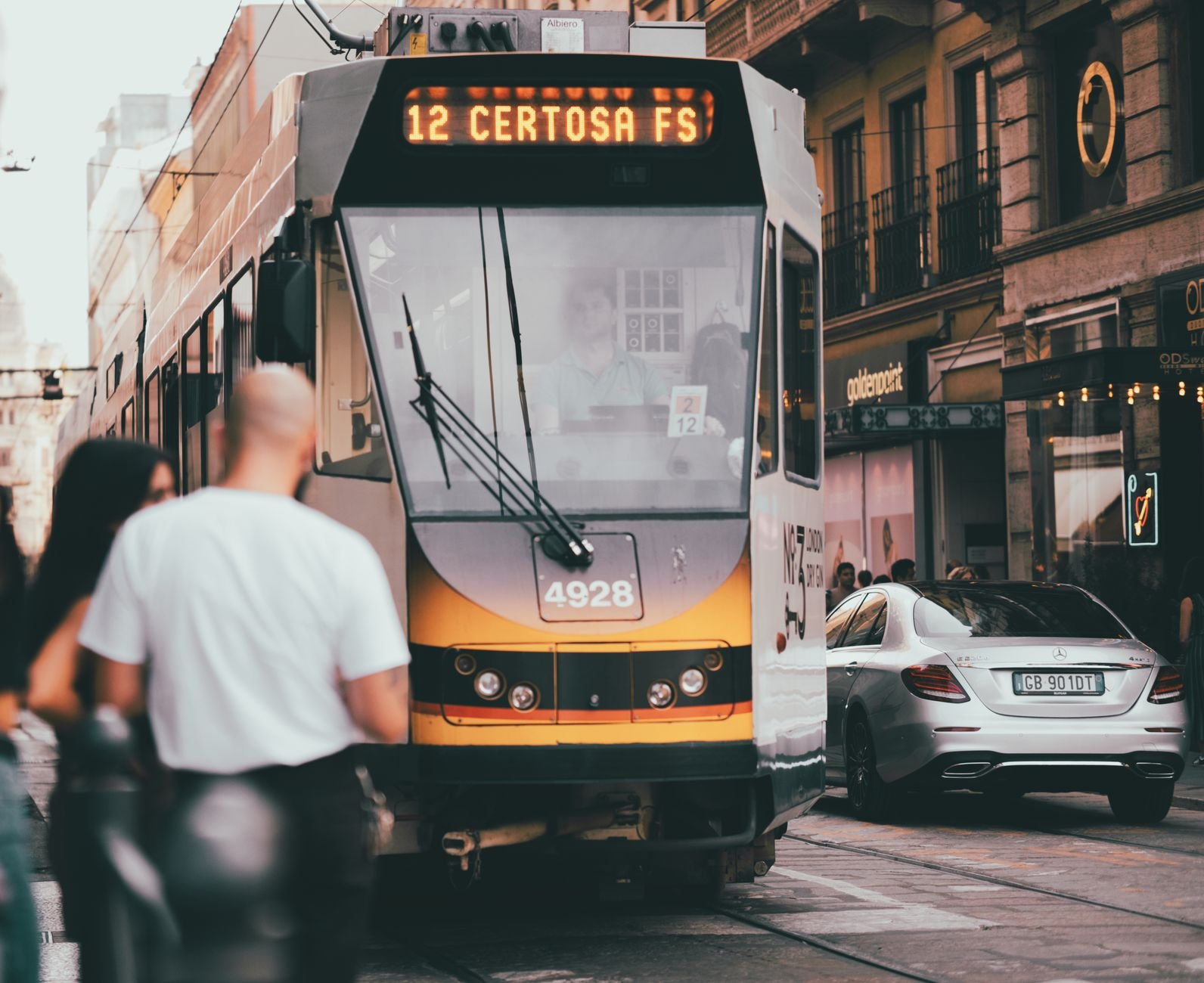
The sheer efficiency of a well-developed public transport system in such locales means less time spent in traffic, less money on parking, and more energy for exploring. Imagine trying to drive through the heart of Rome, searching for parking near the Colosseum, when the Metro could have whisked you there in minutes. The rhythm of these cities is best felt on foot, or from the window of a tram.
Sprawling Regions and Scattered Gems
Conversely, some of the world’s most captivating histories lie not within a city’s walls but scattered across a wider landscape. Think of the remote castles of Ireland, the pre-Columbian sites hidden in the Mexican countryside, or the charming, isolated villages dotting the French Provençal hills. These are places where public transport might exist, but often with infrequent schedules, circuitous routes, and limited reach. Here, the independence of a rented car becomes invaluable.
It’s not just about reaching point A to point B; it’s about the freedom to stop at that unexpected roadside market, to linger longer at a particularly atmospheric ruin, or to chase a sunset across a panoramic vista without worrying about the last bus of the day. A car allows you to weave your own narrative through the landscape, dictating your pace and delving into corners public transport might never touch. In regions where the story is told across miles, not blocks, a car is often the most respectful and practical companion.
Trip Style: The Heart of Your Journey
Beyond the lay of the land, your personal travel philosophy for that particular journey should guide your choice. Are you seeking deep immersion, content to drift with the local currents? Or is your priority maximum flexibility and the ability to chase every spontaneous whim?
For the Deep Diver and Cultural Explorer
If your aim is to truly sink into a culture, to observe, absorb, and perhaps even participate, public transport can be an unwitting ally. There’s a particular kind of quiet education that comes from sharing a bus seat with students, market vendors, and grandparents. The conversations overheard (or attempted), the snippets of daily life witnessed – these are the threads that weave a richer understanding of a place. Walking through neighborhoods, using local buses and trains, forces you to confront the rhythms and realities of a place on its own terms, fostering a deeper, more authentic connection than the insulated bubble of a private vehicle.
It’s about slowing down, allowing the world to come to you, and embracing the small inconveniences as part of the adventure. This approach often leads to serendipitous discoveries – a hidden café, a local festival you wouldn’t have otherwise known about – simply because you weren’t rushing past in your own vehicle.
For the Flexible Wanderer and Efficiency Seeker
Sometimes, a trip demands a different kind of freedom. Perhaps you have limited time and a packed itinerary, wanting to visit several distinct sites in a single day. Or maybe your travel companions have varying interests, requiring frequent detours. In these instances, the autonomy of a rented car is unparalleled. It offers the ultimate control over your schedule, your route, and your luggage.
The ability to pack up and go on a whim, to change plans based on weather or a sudden recommendation, provides a level of spontaneity that public transport rarely allows. For family trips, especially with younger children or those with mobility challenges, a car often provides a necessary comfort and convenience, transforming potential logistical headaches into smooth transitions between experiences.
Summary – The New Approach in Brief
Gone are my days of rigid transport decisions. Now, before I even look at booking, I ask myself two crucial questions:
- What is the primary layout of this destination? Is it a compact, historically dense urban core, or a more expansive, spread-out region?
- What is the dominant style of this particular trip? Am I seeking deep cultural immersion and local rhythms, or maximum flexibility and self-directed exploration?
By considering these two facets, the choice between renting a car and embracing public transport becomes far clearer, transforming a potential logistical puzzle into an informed decision that enhances the very fabric of your journey.
Plan your trip with TourZen.in – real itineraries, trusted local experts, one simple conversation.
Image by: Marco Pozzi\nhttps://www.pexels.com/@marco-pozzi-2156102230