Chasing the Unknown: A Journey to Naoshima Art Island
Most people planning a trip to Japan sketch out an itinerary that includes Tokyo’s neon, Kyoto’s temples, and maybe Osaka for the food scene. It’s efficient, it’s well-trodden, and it works. But if you’re looking to diverge from that path, to actually see something that pushes beyond the usual checklist, then you’ve probably not heard of Naoshima. Because it’s not another city, or another historical site. It’s an entire island, methodically transformed into a living, breathing contemporary art museum.
Why It’s Been Overlooked
Naoshima sits in the Seto Inland Sea, nestled between Honshu and Shikoku. Its location is precisely why it remains off the main tourist radar. Getting there isn’t complicated, but it does require an extra leg of travel beyond the bullet train network that connects Japan’s major hubs. It’s a place you have to intentionally seek out, not one you stumble upon.
This isn’t a bad thing. For those accustomed to the predictable flow of city breaks, the very idea of a small island dedicated to contemporary art might seem niche, or even a logistical hurdle. It requires planning for ferry schedules, considering the limited infrastructure of a smaller island, and acknowledging that your typical array of chain hotels and convenience stores might not be present on every corner. It’s a commitment, and many travelers, understandably, stick to what’s easy and familiar.
What Makes It Worth the Detour
The core of Naoshima’s appeal isn’t just the art itself – though that is undeniably compelling. It’s the integrated experience. The renowned architect Tadao Ando has shaped much of the island’s landscape with his signature concrete structures, often built underground to preserve the natural environment. These aren’t just buildings; they are part of the art, designed to engage with light, shadow, and the surrounding nature in ways that demand your full attention. It’s a deliberate, functional design choice that redefines how a museum can operate.
Consider the Chichu Art Museum, for example. You don’t just walk in; you walk *through* it. The journey to see the works by Claude Monet or James Turrell is as curated as the art itself. It forces a slower pace, a more deliberate interaction. From a practical standpoint, this means less rushing and more absorbing. Your day isn’t about ticking off items; it’s about inhabiting a space and letting the art unfold around you.
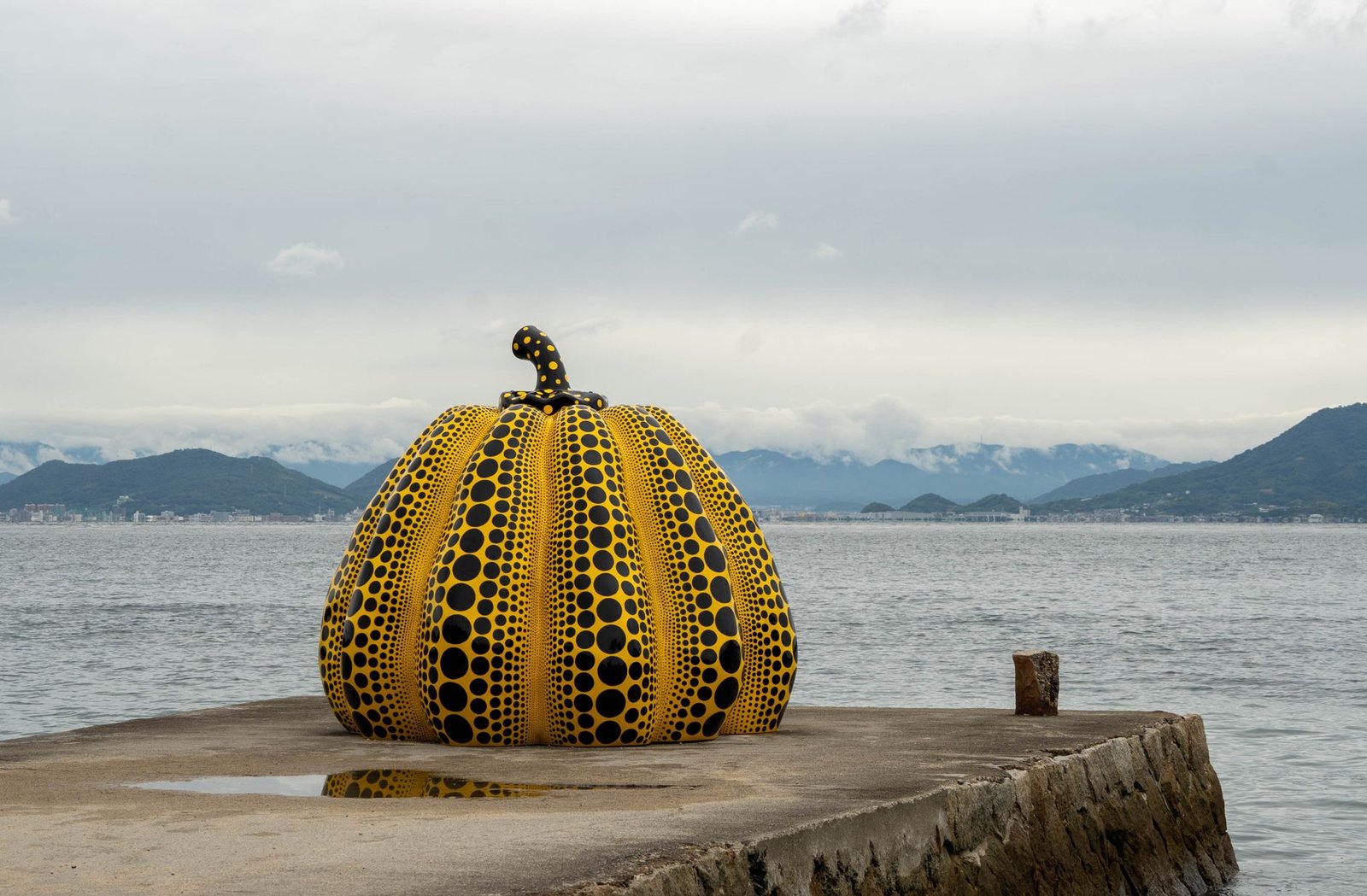
Beyond the major museums, the island is dotted with outdoor installations and house projects – old homes renovated by artists. You’ll find the iconic yellow and red pumpkin sculptures by Yayoi Kusama directly on the shorelines. These aren’t just photo opportunities; they’re markers in a landscape that has been thoughtfully transformed. The island itself becomes the gallery, which means your movement across it – whether by bicycle or local bus – is part of the exhibition.
This isn’t about ticking off famous artworks from a checklist. It’s about understanding how an entire community can embrace and integrate art into daily life, turning an economic challenge into a cultural triumph. For anyone interested in urban planning, sustainable tourism, or simply a different way of experiencing a destination, Naoshima offers a powerful case study. It’s a place that works, day to day, as an open-air exhibition.
Practical Basics
Getting There and Around
Naoshima is accessible by ferry from various ports on Honshu and Shikoku, most commonly from Uno Port (Okayama Prefecture) or Takamatsu Port (Kagawa Prefecture). This means you’ll need to factor in train travel to one of these ports, followed by a ferry ride. The ferry services are generally efficient, but checking schedules in advance is non-negotiable, especially outside peak hours. Once on the island, public buses connect the main art sites. Renting an electric bicycle is a popular and efficient way to explore, offering flexibility and access to the island’s many hidden corners.
Best Time to Visit
To fully appreciate the outdoor installations and the natural beauty of the Seto Inland Sea, planning your visit between March and November is advisable. The weather is generally more conducive to walking and cycling, and most art sites maintain their regular operating hours. Avoiding the peak summer months can sometimes lead to a more comfortable experience, though the island manages visitor flow quite well.
Accommodation and Costs
Accommodation options on Naoshima are relatively limited compared to mainland cities, ranging from guesthouses to more design-focused hotels like the Benesse House Museum. Booking well in advance is essential, particularly if your travel dates fall within a busy period. As a specialized destination in Japan, overall costs can be a bit higher than a generic city stay, factoring in ferry fares, museum entry fees (which can accumulate), and the slightly elevated cost of services on a smaller island. Budgeting for these specifics rather than relying on mainland averages is a pragmatic approach.
Connectivity and Safety
Like most of Japan, Naoshima offers reliable cellular coverage and Wi-Fi in key locations, making it straightforward to stay connected for navigation or remote work, should the need arise. Japan consistently ranks as one of the safest countries globally, and Naoshima is no exception. Visitors can explore with a high degree of confidence and peace of mind.
Visa Notes
Entry requirements for Japan typically depend on your nationality. Many countries have visa-waiver agreements for short tourist stays. It’s always best to check the latest visa policies with the Japanese embassy or consulate in your country well before your departure. This administrative detail is fundamental to any international trip.
Summary
Naoshima isn’t a pit stop; it’s a destination that demands attention and rewards it with an experience unlike anywhere else. It challenges the conventional idea of what a museum can be, demonstrating that art can transform an entire landscape, not just fill a gallery. For those willing to deviate from the standard itinerary and invest a little extra logistical effort, Naoshima offers a truly unique perspective on contemporary art, design, and the quiet power of intentional travel. It’s a functional, well-executed model for how art can integrate into, and elevate, a location.
Plan your trip with TourZen.in – real itineraries, trusted local experts, one simple conversation.
Image by: Mateusz Walendzik\nhttps://www.pexels.com/@mateusz