Chasing the Unknown: A Journey to Mrauk U
Bet you haven’t heard of Mrauk U, right? Go on, admit it. Everyone’s got Bagan on their radar, and yeah, that place is epic. Those endless plains dotted with thousands of ancient stupas at sunrise? Pure magic. But what if I told you there’s a spot in Myanmar that’s even more ancient, even wilder, and totally off the radar for most travelers? A place that delivers that raw, untamed sense of discovery you crave?
That, my friends, is Mrauk U. And if you’re anything like me – always chasing the next real adventure, the genuine, unvarnished experience – then you need to put this at the top of your list. Seriously, trust me on this one. Forget what you think you know about temple hopping.
Why It’s Been Overlooked
So, why isn’t Mrauk U plastered all over Instagram? Simple. It’s not easy to get to. And honestly, that’s its superpower. This isn’t some quick flight-and-taxi job from Yangon. Mrauk U is tucked away in Rakhine State, in the western part of Myanmar. It demands a journey, a little grit, and a willingness to step off the well-trodden path.
The remoteness keeps the crowds away. You won’t find souvenir stalls every ten feet or perfectly paved paths leading to every temple. This isn’t a museum piece. It’s living history, reclaimed by the jungle, shrouded in mist, and waiting for you to find it. The effort required to get there is exactly what preserves its incredible authenticity. It filters out the casual tourists, leaving it open for the true explorers.
What Makes It Worth the Detour
Alright, here’s the kicker. Imagine Bagan. Now, strip away the tour buses. Ditch the neatly trimmed lawns and the souvenir hawkers. Forget the hordes of people all jostling for the same sunrise shot. Mrauk U is Bagan, but raw. Unrestored. Wild. This is what Bagan felt like before the guidebooks showed up, before every travel blogger made a pilgrimage. This is that untamed, exhilarating sense of discovery.
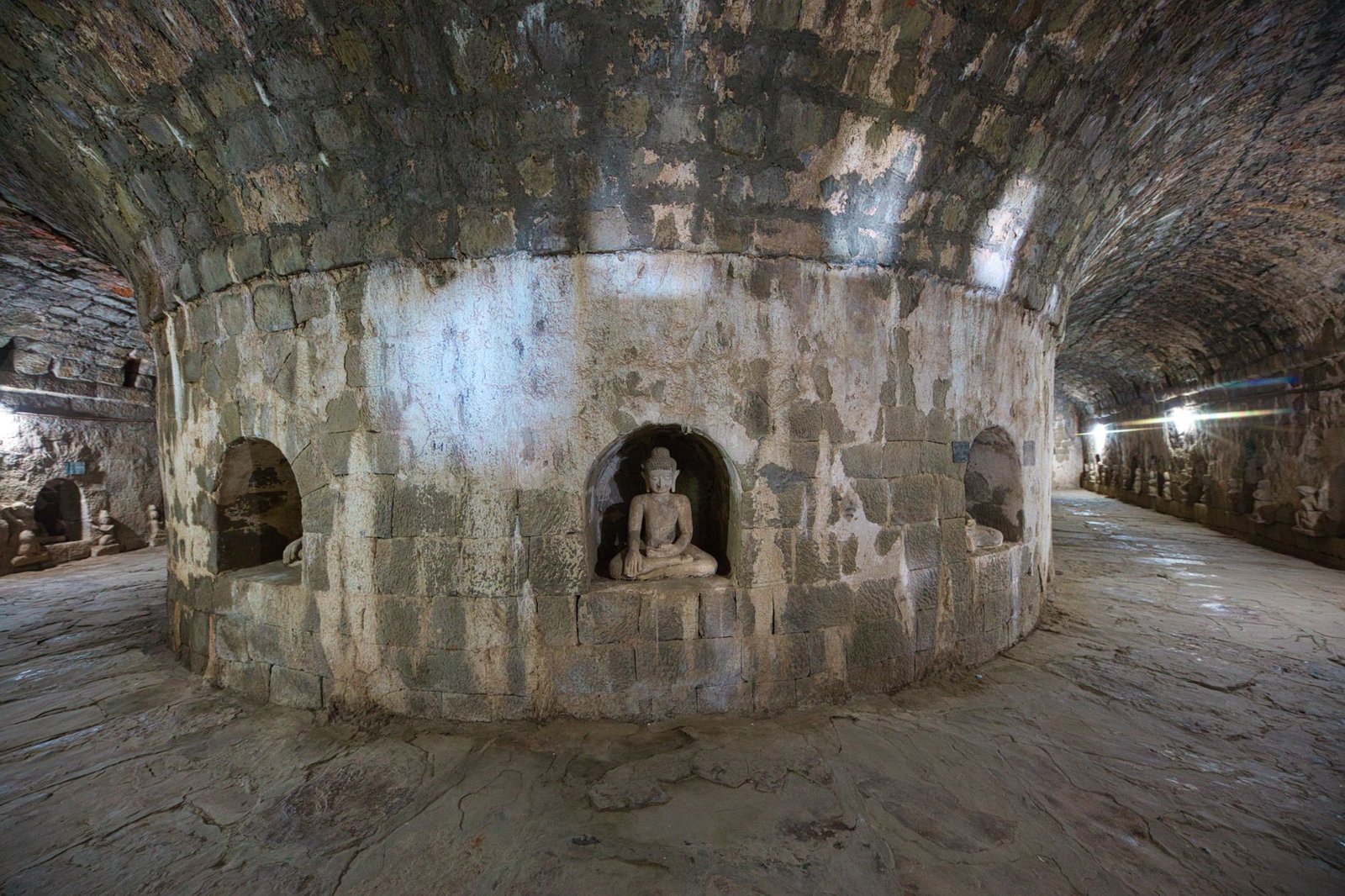
We’re talking hundreds of temples here, just like Bagan, but they’re different. These aren’t just delicate stupas; many are massive, fortified structures, built for defense as much as devotion. They’re like ancient bunkers, with incredibly thick stone walls, dark, winding corridors, and hidden chambers. Exploring them isn’t a gentle stroll; it’s an adventure. You’ll be clambering, ducking, and perhaps even needing a flashlight to navigate some of the interiors. Your legs will thank you tomorrow, trust me.
The temples themselves are often partially swallowed by jungle foliage. Vines snake around ancient bricks, trees grow out of crumbling rooftops, and moss carpets the stone. It’s a photographer’s dream and an adventurer’s playground. Every turn, every corner, reveals something new. You’re not just seeing history; you’re digging it out, discovering it for yourself.
And the sunrises and sunsets? Unforgettable. In the cooler months, the mornings are often cloaked in thick, atmospheric mist that slowly burns off to reveal the temple-strewn landscape. Picture ancient structures emerging from a sea of fog, all without a single other tourist in sight. It’s a moment that feels truly special, earned by the journey, untouched by the masses. You’ll be out there, breathing in the quiet, hearing only the sounds of nature, and feeling the weight of centuries of history.
Beyond the temples, Mrauk U offers a glimpse into a way of life that feels far removed from the modern world. You’ll see local villagers going about their daily lives, perhaps farming, or trading in the bustling local market. There’s a genuine warmth and curiosity from the people here. It’s an authentic cultural immersion, not a performance for tourists. You’ll meet real people, experience real life, and that’s worth more than any staged show.
This isn’t just another ancient city; it’s a testament to human ingenuity and resilience, left largely undisturbed. It calls to those of us who believe the best adventures are found off the beaten track, where you have to work a little for the reward. And the reward in Mrauk U? It’s pure gold.
Practical Basics
Ready to jump in? Smart move. Here’s the skinny on getting there and making the most of it.
First up, timing. Hit Mrauk U between November and February. Trust me, the cooler, drier air makes all that climbing and exploring way more bearable. You don’t want to be slogging through dense heat and humidity; save yourself the sweat and get there when the weather is at its best. Plus, that’s when you get those incredible misty mornings.
Getting to Mrauk U itself is an adventure. It typically involves a flight to Sittwe, followed by a several-hour boat ride upriver. It’s not a hop-on, hop-off kind of place. Be ready for a journey, not just a flight. Pack light, pack tough, and be ready to adapt. The infrastructure isn’t always shiny and new, but that’s part of its charm. Embrace the journey; it’s an integral part of the Mrauk U experience.
Summary
If you’re tired of tourist hordes, if you’re craving that genuine thrill of discovery, if you want to feel like a true explorer uncovering something magnificent before the rest of the world catches on, then Mrauk U is your spot. It’s challenging, it’s remote, but it delivers an unparalleled sense of ancient wonder and authentic adventure. Go. Before everyone else finds out.
Plan your trip with TourZen.in – real itineraries, trusted local experts, one simple conversation.
Image by: Tony Wu\nhttps://www.pexels.com/@tonywuphotography