Verona: A Practical Assessment for a Longer Stay?
Verona. Most people hear that and immediately think of a balcony and star-crossed lovers. That’s not the Verona I’m interested in, and frankly, it’s not the city’s most compelling story. What makes Verona genuinely intriguing, and a solid contender for a more extended stay, is its Roman Arena. This isn’t some dusty ruin. This is a working, active venue that still stages grand opera each summer, filling its ancient stone tiers with thousands of contemporary spectators. Imagine an infrastructure built millennia ago, still functioning, still pulling in crowds, sitting right in the middle of a modern city. That’s Verona’s actual selling point: a city where history isn’t just observed but actively lived in and utilized, providing a unique texture to daily life.
What’s the practical draw of Verona beyond the usual highlights?
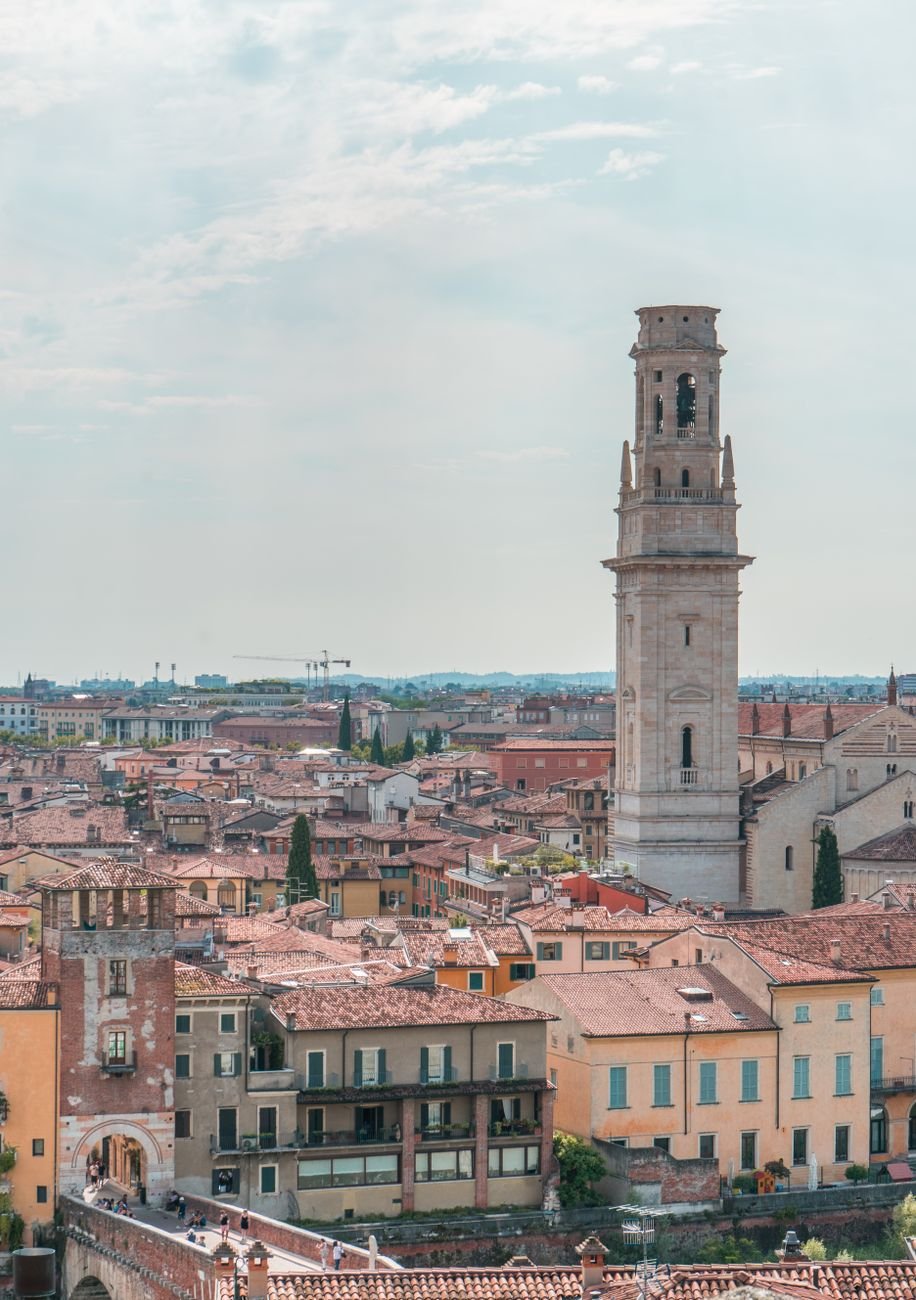
Beyond the arena’s ongoing utility, Verona functions remarkably well as a city. It’s compact enough to be largely walkable, reducing reliance on public transport for daily errands if you choose your base wisely. This makes a significant difference for anyone considering an extended visit or even remote work. You can navigate most of the historic center on foot, from morning coffee to an evening stroll. Its location is also a quiet advantage; situated in the Veneto region, it provides a functional base for exploring the surrounding area, including the Dolomite foothills, without the intense tourist crush you might find in Venice or Florence.
The city’s active cultural calendar, centered around the opera season in the arena, means there’s a consistent, high-quality draw for evenings, not just during peak summer, but generally creating a vibrant atmosphere that feels more lived-in than purely tourist-driven. For someone who appreciates efficiency, a city that manages to blend ancient spectacle with modern life, while remaining approachable, holds real appeal.
When’s the best time to go, really, for actual living?
If you’re aiming for a trip that feels less like a dash through crowds and more like an actual experience of the city, target April to June or September to October. These windows strike a good balance. The weather is generally pleasant – warm but not stifling, which is crucial if you plan on walking or spending time outdoors. The shoulder seasons also mean fewer peak-season crowds, making it easier to secure accommodation, get a table at a local trattoria, and generally navigate the city without constant jostling.
June is particularly appealing if you want to catch the beginning of the opera season at the Arena, experiencing that unique blend of ancient setting and live performance. However, avoid late July and August if you prefer milder temperatures and fewer tourists. The heat can be significant, and many local businesses might adjust their hours or even close for part of the traditional Italian holiday period, which impacts daily logistics. For a genuinely useful and comfortable experience, spring and early autumn are your best bets.
What’s the connectivity situation like for remote work?
For anyone looking to work remotely from Verona, the connectivity is generally solid. Italy has made significant strides in broadband infrastructure, and you’ll find reliable Wi-Fi in most hotels, many apartments, and an increasing number of cafes. While it’s always wise to check specifics with your accommodation provider, expect speeds that are perfectly adequate for video calls, uploading, and general online work.
Mobile data coverage is excellent across the city, with all major European providers offering competitive plans. This means you’re unlikely to be caught without a connection, whether you’re working from a rented apartment or grabbing a coffee in a piazza. The time zone (Central European Time) is also a standard for European remote workers, often aligning well with client schedules across the continent and allowing for early starts or later finishes to connect with other parts of the world. Power outlets are standard European two-pin types, so an adapter might be needed depending on your home country.
What about daily costs and making it work budget-wise?
Verona, while certainly not a bargain-basement destination, offers a more manageable cost of living compared to major Italian hubs like Rome or Milan. Accommodation will likely be your largest expense, but rental prices for apartments, especially for longer stays, can be considerably more reasonable than hotel rates. Eating out can vary; local markets and smaller eateries outside the immediate tourist core offer excellent value for fresh produce and authentic meals.
Coffee and pastries are inexpensive, a routine that’s easily integrated into a daily budget. Public transport, if you need it, is efficient and affordable, but as mentioned, much of the city is walkable, saving those costs. Think of it as a place where you can comfortably balance experiencing local life with keeping an eye on your expenses, particularly if you’re willing to live a bit like a local, shopping at markets and cooking some meals yourself. It allows for a genuinely useful travel experience without constant financial strain.
Is it safe and manageable for a first-timer?
Verona is generally a very safe city, even for first-time visitors. Like any popular tourist destination, exercising basic street smarts is advisable – watch out for pickpockets in crowded areas, especially around major attractions like the Arena. However, serious crime is rare. The atmosphere feels relaxed and welcoming, even late in the evenings, particularly in the well-lit central areas.
Navigation is straightforward. The city center is laid out logically, and major landmarks are well-signposted. While English is spoken in most tourist-oriented businesses, learning a few basic Italian phrases will always enhance your experience and smooth daily interactions. The public health system is robust, and pharmacies are widely available, so routine health concerns are easily managed. Overall, Verona presents very few logistical hurdles, making it a highly manageable and comfortable destination for newcomers to Italy or Europe.
Summary
Verona offers a compelling proposition for the practical traveler. It’s a city that blends deep historical roots – exemplified by its still-active Roman Arena – with a modern, functional living experience. Its compact size, excellent connectivity, and relatively manageable costs make it an attractive option for those considering a longer stay or remote work. It avoids the intense pressure of Italy’s more famous cities while providing an authentic, vibrant European atmosphere. For anyone seeking a destination that truly “works” on a day-to-day basis, allowing for genuine immersion rather than just a fleeting visit, Verona is a solid choice. It delivers on history, culture, and logistics, without the romanticized baggage.
Plan your trip with TourZen.in – real itineraries, trusted local experts, one simple conversation.
Image by: Ádám Pálvölgyi\nhttps://www.pexels.com/@adam-palvolgyi-541517852