A Slow Traveler’s Notes from Saint-Emilion
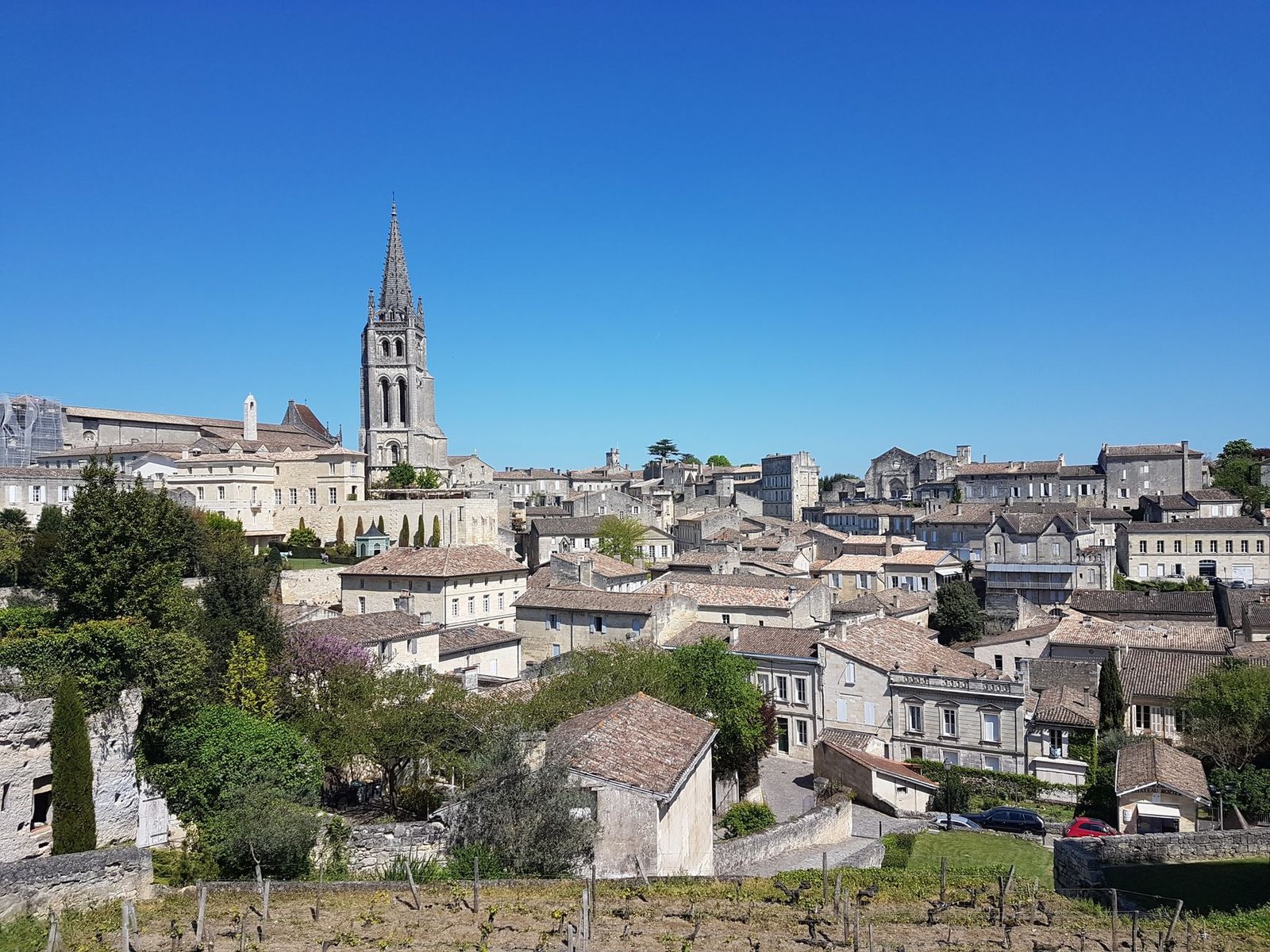
The train from Bordeaux dissolved the soft landscape outside the window, blurring into an emerald tapestry of vines, until the first glimpse of Saint-Emilion caught my breath. It wasn’t a dramatic, soaring city, but rather a gentle rise of honey-gold stone, ancient and weathered, clinging to a hillside. Stepping off the small station platform, the air itself seemed to carry whispers of centuries past, a cool breath against the cheek that promised more than just fine wine. I arrived not with a checklist of vineyards, but with an anticipation for the deeper currents of history that shape this unique corner of Aquitaine.
First Impressions, Steeped in Time
My first steps onto the cobblestones of Saint-Emilion felt like treading on history itself. The streets here aren’t merely old; they are carved into the very fabric of the hill, sometimes plunging steeply, sometimes winding in a gentle ascent. Each building, with its Romanesque archways and timeworn facades, seemed to tell a silent story. The light, even in the afternoon, has a golden quality, illuminating the fossil-rich limestone that forms the bedrock of this place, reflecting a warmth that belies the cool shadows clinging to narrower alleys.
There’s an immediate sense of scale here – not of grandeur or sweeping vistas, but of something intimate and profoundly rooted. The clinking of glasses from a café terrace, the distant church bells, the murmur of French voices – all these modern sounds are overlaid with an ancient hum, an undeniable presence that suggests the town has absorbed countless generations, their lives and their labours, into its very stones. It’s a place that doesn’t just display history; it *is* history, worn smooth by time and human touch.
Getting Oriented: To the Monolithic Heart
Before the allure of the renowned vineyards, before even the promise of a perfect macaron, my compass was set for the very heart of Saint-Emilion’s ancient soul: its monolithic church. I had read about it, a testament to medieval ingenuity and faith, carved not built, but to truly understand its significance, one must seek it out. Signs, subtly placed, guided me deeper into the town’s labyrinthine core, past the Collegiate Church with its grand bell tower, and down towards a more secluded square.
The story, as I understand it, begins with a Benedictine monk, Emilion, who in the 8th century sought spiritual solitude here. He lived as a hermit in one of the natural caves, and around his devotion, this extraordinary underground sanctuary began to take shape. It’s more than just a church; it’s a living monument to human endeavour, to a community’s faith and sheer will, literally excavating their sacred space from the earth beneath their feet. This isn’t a structure that reached for the sky; it delved into the very ground.
A Standout Moment: Beneath the Earth
The moment I stepped inside the monolithic church, the chatter of the sunlit square outside faded into an almost absolute silence. The air grew cooler, carrying the faint, earthy scent of ancient stone. It was like entering a different realm, a world sculpted by patience and faith. The sheer scale of it, carved entirely from a single block of limestone, is breathtaking. Pillars emerge from the rock, supporting a vaulted ceiling that seems impossibly vast for a space excavated from the solid earth.
Walking through the dimly lit nave, my hand brushing against the cool, rough-hewn walls, I could almost feel the presence of those who had worshipped here centuries ago. The echoes of their prayers, their hopes, and their fears seemed to resonate in the quiet. This wasn’t merely a place of worship; it was a sanctuary, a refuge, a testament to the enduring human spirit. To imagine the tools, the sheer manual labour involved in chiseling out such an expansive space, to think of the generations who devoted their lives to its creation, is truly humbling. It connects you not just to history, but to a profound sense of continuity, a shared human experience stretching back over a thousand years. It’s a spiritual anchor, around which the entire town, and indeed its famed wine culture, has grown, drawing sustenance from this deep, subterranean root.
Practical Grounding for the Curious Traveler
Saint-Emilion, despite its global fame for wine, remains a wonderfully walkable and welcoming town. The best times to truly savour its charm and explore without the peak summer crowds are during the temperate months of **April to June** and again from **September to October**. During these periods, the vineyards are either bursting with new life or heavy with ripe grapes, and the weather is generally perfect for strolling.
Getting here is relatively straightforward, usually involving a train journey from Bordeaux, which is well-connected to major European hubs. As a relatively compact and safe French town, general travel precautions apply. While it can be an indulgent experience, particularly for wine enthusiasts, there are options for various budgets, from quaint guesthouses to more luxurious stays. Exploring the town itself is largely free, though guided tours of the monolithic church and certain châteaux will have entry fees. Keep in mind that many of the smaller shops and family-run establishments might close for a leisurely lunch. Embrace the slower pace; it’s part of the Saint-Emilion experience. And yes, while the underground wonders steal the initial spotlight, do make time to eventually raise a glass to the fruits of the surrounding landscape – it’s a taste of the land that flows directly from its deep, rich history.
Summary
Saint-Emilion is far more than just a wine region; it’s a living historical tapestry, woven from ancient stone and enduring faith. It’s a place where the grandeur of human endeavour lies not just in its exquisite wines, but in the astounding, subterranean cathedral carved from the earth itself. To visit is to connect with a profound narrative, to walk where monks and kings have walked, and to understand how a deep sense of place can shape an entire culture. It invites the slow traveler, the history lover, and anyone seeking more than just a fleeting glimpse of beauty, to delve into its depths and emerge with a richer understanding of Europe’s timeless allure.
Plan your trip with TourZen.in – real itineraries, trusted local experts, one simple conversation.
Image by: Oli\nhttps://www.pexels.com/@oli-16112967