Rann of Kutch: Is That White Desert Worth the Effort?
You’ve seen the photos, I’m sure. That arresting visual: a full, almost impossibly bright moon suspended over a vast, stark white landscape. It’s the Rann of Kutch, and yes, it genuinely looks like that. But before you book a ticket based purely on a pretty picture, let’s talk about what’s involved in actually getting there, surviving the trip, and whether the experience lives up to the logistical investment.
So, what exactly is this “white desert” everyone talks about?
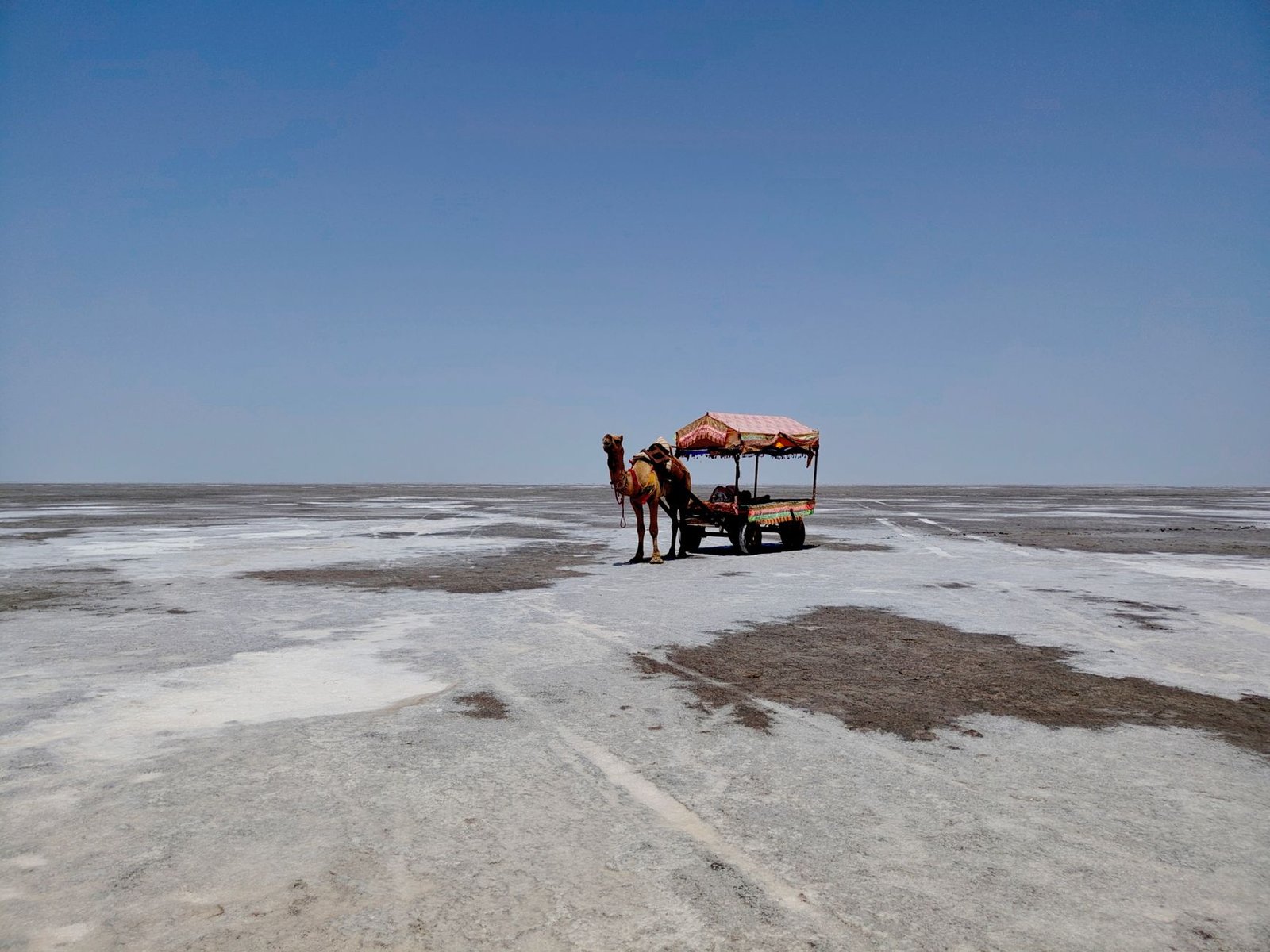
The Rann of Kutch isn’t a desert in the typical sand-dune sense. It’s a massive salt marsh in Gujarat, India. For much of the year, especially during the monsoon, it’s underwater. But come winter, the water recedes, leaving behind this immense, flat expanse of crystallised salt. It stretches for thousands of square kilometers, and when dry, it’s genuinely surreal – a stark, blindingly white plain that seems to go on forever. On its fringes, you’ll find small villages, many known for their traditional handcrafts, which adds a layer of cultural interest beyond the geology.
When is the best time to go, and why does that matter for your plans?
The timing here is critical. You absolutely want to visit between November and February. This is when the desert is dry, making it accessible and safe to traverse. Beyond that, the crucial factor is the Rann Utsav, a cultural festival that coincides with the dry season. If you’re looking for the full experience – meaning crowds, cultural performances, and the convenience of organised tours – aim for during the festival. If you prefer fewer people and a more minimalist experience, you can go outside the peak festival weeks but still within the November-February window. Just be aware that services might be more limited.
How do you actually get to this remote location, and what are the transport practicalities?
Getting to the Rann of Kutch requires some planning. The nearest major airport is Bhuj (BHJ). From there, you’ll need to arrange onward transport. Public buses are an option, but for convenience and time efficiency, hiring a private taxi is usually the best bet, especially if you’re heading to one of the specific tent cities or isolated resorts. The roads themselves are generally decent, but expect the journey from Bhuj to the desert edge to take a few hours. Distances aren’t negligible, and travel times can be longer than anticipated due to varied road conditions or local traffic. Self-driving is possible if you’re comfortable with Indian road rules, but for most foreign visitors, a driver is less hassle.
Will I have Wi-Fi, and what are the accommodation options like?
Connectivity in the Rann of Kutch can be patchy at best. While some of the more established tent cities and resorts might offer Wi-Fi, don’t rely on it being consistently fast or available everywhere. If staying connected is vital for your remote work or daily life, plan accordingly: download what you need beforehand, and consider a local SIM card (from a major provider like Jio or Airtel) for better mobile data coverage, though even that isn’t guaranteed everywhere in the desert expanse. Accommodation mostly consists of temporary tent cities that pop up for the season, especially during Rann Utsav. These can range from basic to quite luxurious, often including meals and cultural activities. Permanent guesthouses are available in nearby villages like Dhordo, but options are generally fewer. Book well in advance, especially for festival dates, as demand can be high.
Is a trip to the Rann of Kutch going to break the bank?
Costs for the Rann of Kutch can vary significantly based on your travel style and when you visit. During the Rann Utsav, accommodation and tour packages tend to be more expensive due to higher demand. Off-peak (but still within the dry season), you might find better deals. Generally, India offers a good cost of living, so if you’re mindful of your choices, it doesn’t have to be prohibitively expensive. Staying in a government-run tent city might offer a packaged deal that includes food and activities, which can be cost-effective. Independent travel, relying on local transport and smaller guesthouses in surrounding villages, can reduce costs further. The main costs will be transport to and from Bhuj, accommodation, and any entry fees for specific festival zones or protected areas.
Beyond the salt, what else is there to actually *do* to fill your days?
While the white desert is the main draw, you’re not just staring at salt for days. The surrounding areas offer cultural insights. The villages on the edge of the Rann are famous for their traditional handicrafts – embroidery, pottery, weaving, and block printing. Exploring these villages, watching artisans at work, and perhaps picking up some genuine local crafts can easily fill an afternoon. Kalo Dungar (Black Hill) offers panoramic views of the Rann, especially stunning at sunset. There are also wildlife sanctuaries nearby, though these require specific interest and extra planning. During the Rann Utsav, the festival grounds buzz with cultural performances, food stalls, and various activities. It’s a good way to experience the local culture in a structured setting, but be prepared for crowds.
Summary: So, is the Rann of Kutch a practical destination?
The Rann of Kutch is undeniably unique. That full moon over the salt flats isn’t an exaggeration – it’s a profound visual experience. From a practical standpoint, it requires deliberate planning: timing is crucial for accessibility, transport needs to be arranged, and you should manage your expectations regarding internet connectivity. It’s not a spontaneous weekend trip. But for those willing to navigate the logistics, the reward is a genuine escape to a landscape unlike almost any other, coupled with the rich cultural experiences of rural Gujarat. If you’re someone who appreciates natural wonders and local artisan culture, and you’re prepared for a trip that balances the spectacular with the occasionally sparse, then yes, it’s worth adding to your itinerary.
Plan your trip with TourZen.in – real itineraries, trusted local experts, one simple conversation.
Image by: NiAksh Prit\nhttps://www.pexels.com/@niaksh-prit-130658847