Marari Beach: Is It Actually Worth the Detour?
Most travel articles about a beach start with the sand and the surf. But if you’re looking at Marari, in Kerala, you should first consider what’s behind it: a working fishing village. This isn’t a place built around tourism; it’s a community that happens to be next to a very quiet stretch of coastline. That distinction matters for how you plan your visit, and whether this is even the right fit for your travel style.
What is Marari Beach like, really?
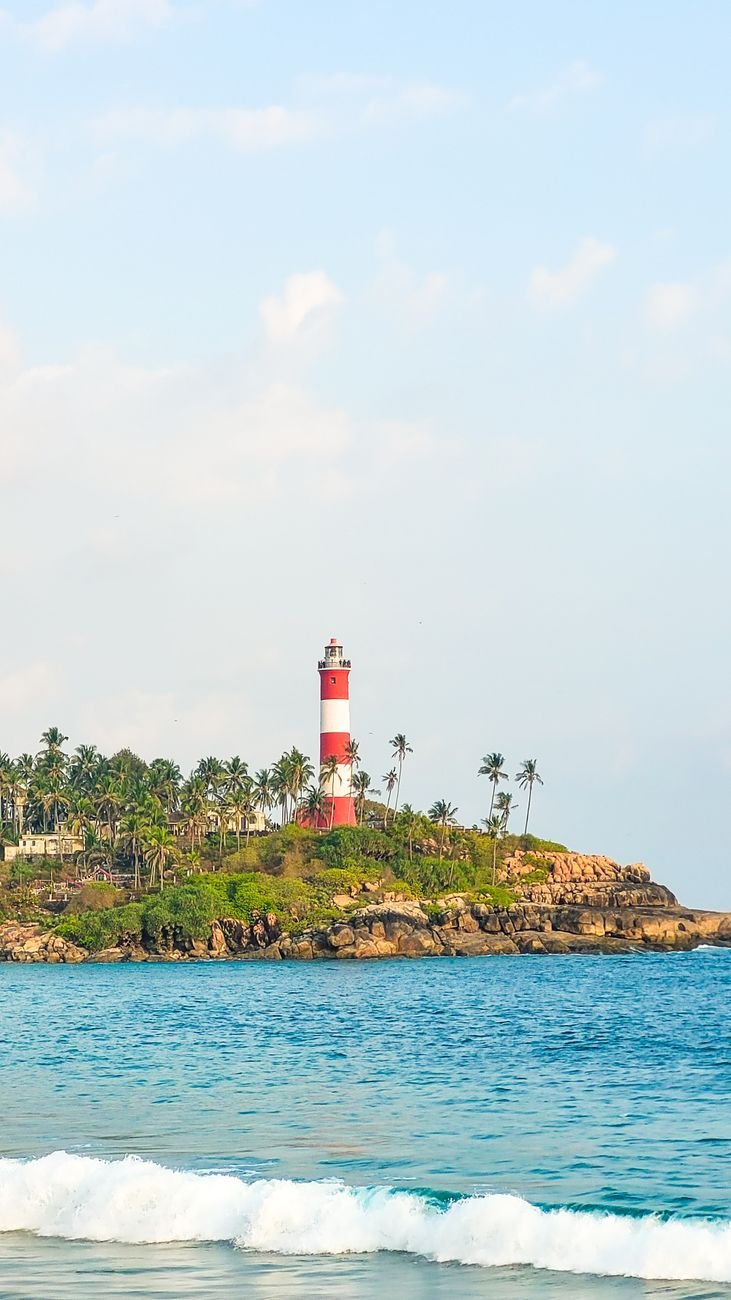
Unlike some of Kerala’s more developed coastal areas, Marari Beach doesn’t have a long strip of high-rise resorts or constant hawkers. It retains a distinct local character. The beach itself is wide, lined with palm trees, and generally clean. But the true rhythm here is set by the Arabian Sea and the fishermen who depend on it.
You’ll see their colourful boats, or *vallams*, dotting the shore, especially in the mornings and late afternoons as they head out or return with their catch. The village itself is a collection of simple homes, narrow lanes, and coconut groves. It’s a place where life happens at a slower pace, dictated by the sun and tides. Expect quietude, the sounds of birds and the ocean, and the occasional clang of a fishing net being mended.
If your idea of a beach holiday involves bustling nightlife, watersports, or endless restaurant options, Marari will likely disappoint. If you’re looking to unplug, observe local life, and genuinely slow down, then it starts to make sense.
How do you even get there, and is it a hassle?
Getting to Marari Beach is straightforward, which is always a plus. It’s located in Alappuzha district, about an hour’s drive south of Kochi (Cochin) and just a short hop from the backwater hub of Alappuzha town. This proximity is key, as it means you can easily combine a stay here with a broader Kerala itinerary, perhaps after flying into Kochi International Airport (COK) or experiencing the backwaters.
From Kochi, a taxi or pre-booked car is the most efficient way to reach Marari. The drive is scenic enough, passing through towns and rural landscapes. If you’re already in Alappuzha, an auto-rickshaw or local bus will get you there in about 30-40 minutes. It’s not a remote destination that requires complex transfers or special permits; the logistics are fairly simple, which makes it an attractive option for first-time visitors to India looking for quiet without sacrificing accessibility.
When’s the best time to go, practically speaking?
For Marari Beach, the ideal window for travel is between November and February. This isn’t just a suggestion; it’s a practical recommendation based on weather patterns that actually impact your comfort and ability to enjoy the outdoors.
During these months, Kerala experiences cooler, drier weather. The humidity drops significantly, and temperatures are pleasant, typically ranging from the mid-20s to low-30s Celsius. This means you can comfortably spend time on the beach, walk through the village, or simply relax without being overwhelmed by heat or tropical downpours. The sea is also calmer and clearer, which is always a bonus if you plan to swim or simply enjoy the view. Outside of this period, particularly during the monsoon (June-September), heavy rains and high humidity can make outdoor activities less appealing, and many smaller establishments might scale back operations.
What can you actually *do* here, beyond just sitting?
Marari isn’t about organised activities or a packed itinerary. The primary “activity” here is soaking in the atmosphere and observing. Walk along the beach early in the morning to watch the fishermen bring in their catches, sort their nets, and sell their fish. It’s a genuine slice of local life, not a performance for tourists.
Exploring the village pathways, winding through coconut groves, gives you a sense of the everyday existence. You might see women making coir products, children playing, or neighbours chatting. Some smaller guesthouses and homestays might offer basic cooking demonstrations or bicycle rentals for quiet rides through the lanes. For those interested in the famous Kerala backwaters, Alappuzha is close enough for a day trip or an overnight houseboat experience, but the charm of Marari lies in its contrast to that more bustling scene.
It’s less about “doing” and more about “being.” If that sounds like a holiday, then Marari is for you. If you need constant stimulation, this might feel too slow.
Is it set up for a comfortable stay? What about connectivity?
Accommodation in Marari is generally low-key, ranging from quaint homestays and guesthouses within the village to a few eco-friendly resorts tucked away behind the beach. You won’t find towering hotel chains here. The emphasis is on blending in with the natural surroundings and providing a peaceful, often more personal, experience.
Most places understand the needs of international travellers, offering comfortable, clean rooms, and usually some form of air conditioning or good ventilation. As for connectivity, like much of Kerala, cellular data coverage is generally reliable, and most accommodations will offer Wi-Fi. It might not be fiber-optic speeds, but it’s usually sufficient for checking emails, browsing, and staying in touch. Just manage expectations; this is a quiet coastal village, not a tech hub. Basic amenities like local shops for essentials are available, but for anything major, you’d need to head to Alappuzha town.
Any specific things to know before arrival?
Marari Beach is relatively safe, but standard travel precautions apply, especially regarding personal belongings. While it’s a relaxed environment, remember you are in a working village, so respectful dress (covering shoulders and knees) when walking through residential areas or visiting local temples is always appreciated. Be mindful of local customs; ask permission before photographing people, particularly women.
As with any coastal area, keep an eye on the tides and any local warnings if you plan to swim. There are no lifeguards in many parts of the beach. For currency, ATMs are available in Alappuzha town, and some larger resorts or homestays might accept cards, but carrying some Indian Rupees for smaller purchases in the village is always advisable. Don’t expect a wide array of foreign cuisine; the food will mostly be local Kerala fare, with an emphasis on fresh seafood and vegetarian options.
Summary
Marari Beach offers a specific kind of appeal: an antidote to overly touristy destinations. It’s for the traveller who values quiet observation, genuine local interaction, and a slow pace over resort amenities and organised entertainment. If you appreciate the rhythm of a working fishing village, the simple beauty of a palm-fringed beach, and the chance to truly disconnect without battling crowds, then Marari could be a genuinely rewarding addition to your Kerala itinerary. It’s not a flashy destination, but it is authentically peaceful.
Dreaming of India, or the world beyond it? TourZen.in plans it all with real itineraries. Message us on +91 70257 57330.
Image by: Soham P\nhttps://www.pexels.com/@soham-p-49910850