A Slow Traveler’s Notes from Saranda Albania
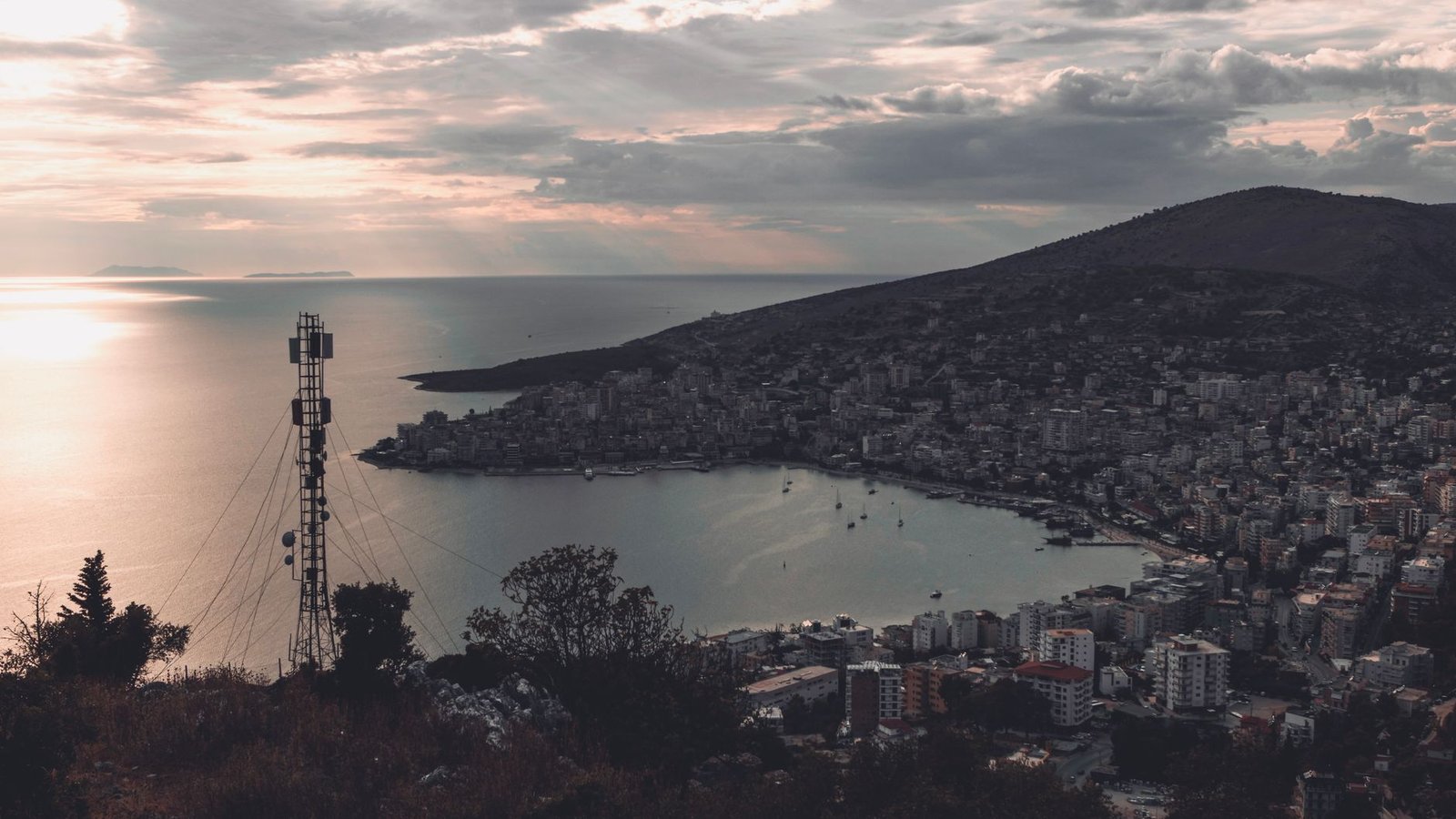
From Saranda, the Greek island of Corfu sits a few miles out, a clear outline across the narrow strait. It’s a constant reminder of where you are, and where you aren’t. This isn’t Greece; it’s Albania, and it offers its own distinct experience, often for less money and with fewer crowds. It’s a place that asks you to adjust your expectations, but rewards you with real value if you do.
Saranda itself is a working coastal town that serves as a gateway to the Albanian Riviera. It has a busy promenade, a collection of beaches, and a steady flow of ferries to and from Corfu. The pace is generally relaxed, especially once you step a few streets back from the waterfront. You’ll find a mix of older buildings and newer construction, reflecting its recent growth as a tourist spot. It’s not polished, but it is functional.
Logistics First
Getting to Saranda usually means flying into Corfu and taking the ferry, or flying into Tirana and taking a bus south. The Corfu ferry is straightforward; check schedules, especially outside peak summer. For buses from Tirana, be prepared for a longer journey. Understand that local transport is efficient but can be an experience in itself. Taxis are available, but always confirm the fare beforehand to avoid issues.
The local currency is the Albanian Lek (ALL). While some places accept Euros, it’s always better to use the local currency to get a fair rate. ATMs are readily available in Saranda town. Keep some smaller denominations on hand for markets or smaller cafes. Credit cards are accepted in larger establishments, but cash is king in many places.
When to Visit
The best window for Saranda is from May to October. During these months, the weather is warm, the sea is inviting, and all services are fully operational. July and August are the peak, meaning more people and higher prices. If you prefer quieter times, aim for May, June, September, or early October. You’ll still get good weather, but with a more relaxed atmosphere. Outside of this period, many seasonal businesses close down, and the town becomes much quieter.
Staying Safe and Prepared
Safety in Saranda is generally good for tourists. Standard precautions apply, just as they would anywhere else. Be aware of your surroundings, especially at night. Keep an eye on your belongings. Petty theft can occur, but it’s not widespread. The sun can be intense during summer months, so pack sunscreen, a hat, and stay hydrated. Drink bottled water only.
Language barriers exist, but many locals in the tourism sector will speak some English, especially younger people. Learning a few basic Albanian phrases like “Përshëndetje” (Hello), “Faleminderit” (Thank you), and “Sa kushton?” (How much?) will always be appreciated and can smooth interactions. It shows respect and can often get you better service.
Eating and Drinking
The food scene in Saranda is centered around fresh seafood. Given its coastal location, this is no surprise. Expect grilled fish, octopus, and mussels, often prepared simply but flavorfully. You’ll also find traditional Albanian dishes like byrek (savory pastry), various grilled meats, and fresh salads. The local olive oil is excellent. Prices for meals are generally very reasonable compared to Western Europe, but always check the menu first. Drink local wines or the ubiquitous Albanian beer. Coffee culture is strong here, so expect good espresso.
Don’t expect every restaurant to be a Michelin-star experience. The focus is on fresh, local ingredients. Seek out the smaller, family-run establishments a few streets back from the main promenade for more authentic and often better-priced meals. These places are where you get a real taste of local life, away from the more tourist-focused spots.
Things to Do and See
Saranda itself has a small castle, Lekursi Castle, which offers panoramic views of the town, the coast, and Corfu. It’s worth the short trip up for the sunset alone. The main draw, however, is the access it provides to the surrounding area. Ksamil, with its famous small islands and clear waters, is a short bus ride away. It’s a popular spot, so manage expectations for crowds in peak season.
Butrint National Park, a UNESCO World Heritage site, is a definite must-see. It’s an ancient city with ruins spanning various civilizations, from Greek to Roman and Byzantine. It’s well-preserved and atmospheric. Allow at least half a day for Butrint. Regular minibusses (furgons) connect Saranda to Butrint. Always confirm the return times to avoid being stranded.
For something different, consider a trip to the Blue Eye (Syri i Kaltër), a natural spring with incredibly clear, deep blue water. It’s a beautiful natural phenomenon, popular for its striking colors. It’s accessible by car or local transport, but be prepared for a walk from the drop-off point. Check current entry requirements or fees before you go.
While exploring, particularly in the more rural areas or at specific heritage sites, it is wise to check for any current permit requirements or special entry rules that might be in place. Things can change, so a quick check with a local guide or your accommodation can save you time and hassle.
Summary
Saranda is a practical base for exploring the southern Albanian coast. It’s not about luxury or perfectly manicured experiences; it’s about good value, fresh food, beautiful natural scenery, and a glimpse into a less-traveled part of Europe. Plan your trip for the shoulder seasons to avoid the busiest crowds, manage your expectations, and you’ll find a rewarding and distinct travel experience here. It provides a real alternative to the more established Mediterranean destinations, offering a different flavor at a more accessible price point.
Dreaming of India, or the world beyond it? TourZen.in plans it all with real itineraries. Message us on +91 70257 57330.
Image by: Andreas Ebner\nhttps://www.pexels.com/@andreasebnerfotografie