Is Pag Island Worth the Hype? A Skeptic’s Guide to Croatia’s Moon-Like Gem
Honestly, when I first heard about Pag, all the descriptions I read online sounded a bit… overdone. “Moon-like landscape,” they’d say. “Stark beauty.” My mind conjured up something barren and a bit dull, maybe interesting for about ten minutes before you moved on to the next, greener island. But the thing about travel, or at least the way I do it, is that sometimes you just have to go and see if your cynicism holds up. And with Pag? Well, consider me pleasantly surprised, and occasionally, flat-out wrong.
What Exactly is This “Moon-Like Landscape” Everyone Keeps Talking About?
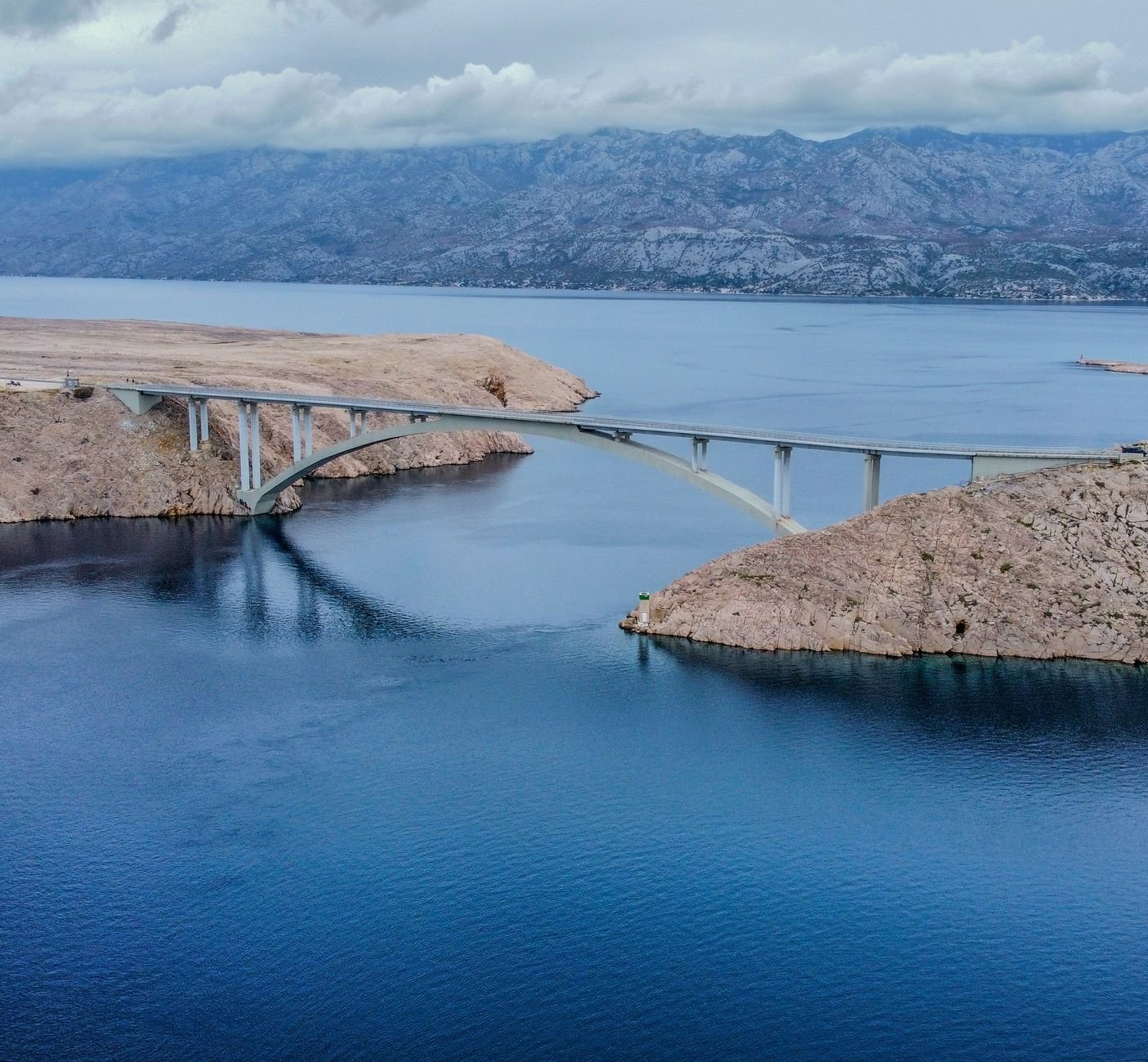
Alright, so I went in expecting some dusty, rocky place, probably exaggerated for tourist brochures. And for once, the “moon-like” description isn’t a marketing gimmick; it’s genuinely apt. Imagine driving across a bridge, and suddenly, the world changes. You leave behind the green, tree-lined coast of mainland Croatia and enter a landscape that feels… alien. Vast stretches of white, almost blinding, limestone stretch out, sculpted by the Bura wind into incredible, often bizarre, formations. It’s stark, sure, but it’s also breathtakingly beautiful in a way I hadn’t anticipated.
There’s a silence here, an ancient feeling, that you don’t often get on more developed islands. It’s less about lush greenery and more about the raw, untamed power of nature. Walking among those rocks, especially at dawn or dusk when the light plays tricks, you really do feel like you could be on another planet. It forces you to slow down, to actually *look* and appreciate the sheer scale of it all. My low expectations were thoroughly debunked here; it’s a genuinely unique visual experience that stayed with me long after I’d left.
So, is there anything to do besides stare at rocks and feel like an astronaut?
That was my next thought, too. After the initial awe, I figured I’d be bored quickly. But Pag, thankfully, has more layers than its geological surface suggests. For starters, the island is surprisingly well-connected by road, making exploration easy. And hidden amongst those stark hills, you’ll find charming towns like Pag Town itself, with its beautiful medieval square and a history tied to salt production that dates back centuries. Novalja, on the other hand, is known for its more lively side, particularly during the summer music festivals.
But beyond the main hubs, there are these wonderfully secluded coves and pebbly beaches. Because the landscape is so barren, the water around Pag is incredibly clear, a striking turquoise against the white rocks. You can find your own little patch of paradise without too much effort, a real contrast to some of the busier Adriatic spots. Plus, if you’re into local crafts, the tradition of Pag lace-making is fascinating. The intricate designs are a testament to patience and skill, a true piece of cultural heritage.
What about the food and the local vibe? Is it all just party central?
Before I went, I’d read plenty about Zrće Beach, and how it’s one of Europe’s biggest party spots. I braced myself for constant thumping music and hordes of young revelers. While Zrće certainly delivers on that front, particularly in peak summer, it’s just one small part of the island. The rest of Pag maintains a much more relaxed, authentic Croatian island rhythm. Pag Town, for instance, felt wonderfully laid-back, with quiet cafes and restaurants serving up local delicacies.
And let’s talk about the food, specifically the Pag cheese – *Paški sir*. This was another one of those things I’d read about and thought, “How special can a sheep’s cheese really be?” Very, as it turns out. The sheep here graze on the sparse, herb-rich vegetation that grows between the rocks, all salted by the Bura wind. This unique diet gives the milk, and subsequently the cheese, a distinct, incredibly flavourful character. Eating it, paired with some local olive oil and a glass of Croatian wine, was a revelation. It’s not just food; it’s a taste of the island’s unique ecosystem. Expect simple, fresh seafood and hearty Mediterranean fare elsewhere, too – nothing pretentious, just good, honest cooking.
When’s the best time to visit Pag, and how do I even get there?
Pag is easily accessible, which is a big plus. It’s connected to the mainland by a bridge on its southern end, meaning no faffing with ferries if you’re driving from, say, Zadar or Split. There are also catamaran services connecting Novalja to Rijeka, and other islands, during the summer season. So getting there is relatively straightforward, whether you’re driving your own car or relying on public transport.
As for timing, the general consensus, and my personal experience, points to June through September. The weather is fantastic, warm and sunny, perfect for swimming and exploring the beaches and coves. If you’re keen on the party scene, July and August are when Zrće Beach truly comes alive. However, if you prefer a quieter, more relaxed pace, with pleasant temperatures for hiking and sightseeing, I’d lean towards June or early September. You’ll still get lovely weather but with fewer crowds, making it easier to find that serene, moon-like solitude.
Is Pag safe and what should I expect regarding costs?
Croatia, in general, is a very safe country for travellers, and Pag is no exception. Like anywhere, basic common sense applies – watch your belongings, especially in crowded areas or at night, but you’ll find the locals to be welcoming and the general atmosphere to be relaxed and secure. It’s the kind of place where you feel comfortable walking around late in the evening.
Regarding costs, Pag, like much of Croatia’s coast, can range from budget-friendly to quite upscale, depending on your choices. Accommodation options vary from campsites and apartments to boutique hotels. Eating out can be very reasonable if you stick to local konobas (taverns) and fresh markets, but resort towns and popular beachfront restaurants will naturally be pricier. Overall, it felt comparable to other popular European summer destinations. You can easily tailor your trip to fit your budget without feeling like you’re missing out on the essential Pag experience.
My Takeaway: A Place That Earns Its Keep
Pag Island definitely challenged my initial preconceptions. What I expected to be a barren, one-dimensional stopover turned out to be a place of stark, unforgettable beauty, delicious food, and a surprisingly diverse vibe. It’s an island that rewards the curious traveler, the one willing to look beyond the immediate stereotypes and appreciate its unique character. The moonscape isn’t just a backdrop; it’s the very soul of the island, influencing everything from its cheese to its quiet corners. Don’t go expecting lush greenery and bustling cities; go for the dramatic landscapes, the incredible cheese, and the quiet satisfaction of discovering a place that’s genuinely different.
Dreaming of India, or the world beyond it? TourZen.in plans it all with real itineraries. Message us on +91 70257 57330.
Image by: Mateusz Popek\nhttps://www.pexels.com/@mateusz-popek-571455082