Why Riquewihr Deserves a Spot on Your Travel List
You’ve seen the pictures, probably. Those storybook, half-timbered lanes winding through Alsace, looking like something plucked straight from a Brothers Grimm illustration. I’d seen them too, mentally filing them under ‘places that probably don’t live up to the hype in person.’ But then I actually stepped into Riquewihr, a name that, let’s be honest, probably doesn’t even register for most people planning a French getaway. And my internal monologue quickly shifted from jaded skepticism to something resembling, well, genuine surprise.
Why It’s Been Overlooked
My initial read on Riquewihr, from what little I could dig up online, was that it was just another pretty face on the Alsace Wine Route. You know the drill: another charming village, another photo opportunity. I figured it was probably dwarfed by the likes of Colmar or Strasbourg, destined to be a quick drive-through stop for bus tours. It doesn’t scream ‘must-see’ in the same way Paris or the Riviera does, and that’s precisely why it flies under the radar. It’s not flashy; it’s quietly, stubbornly, authentically itself.
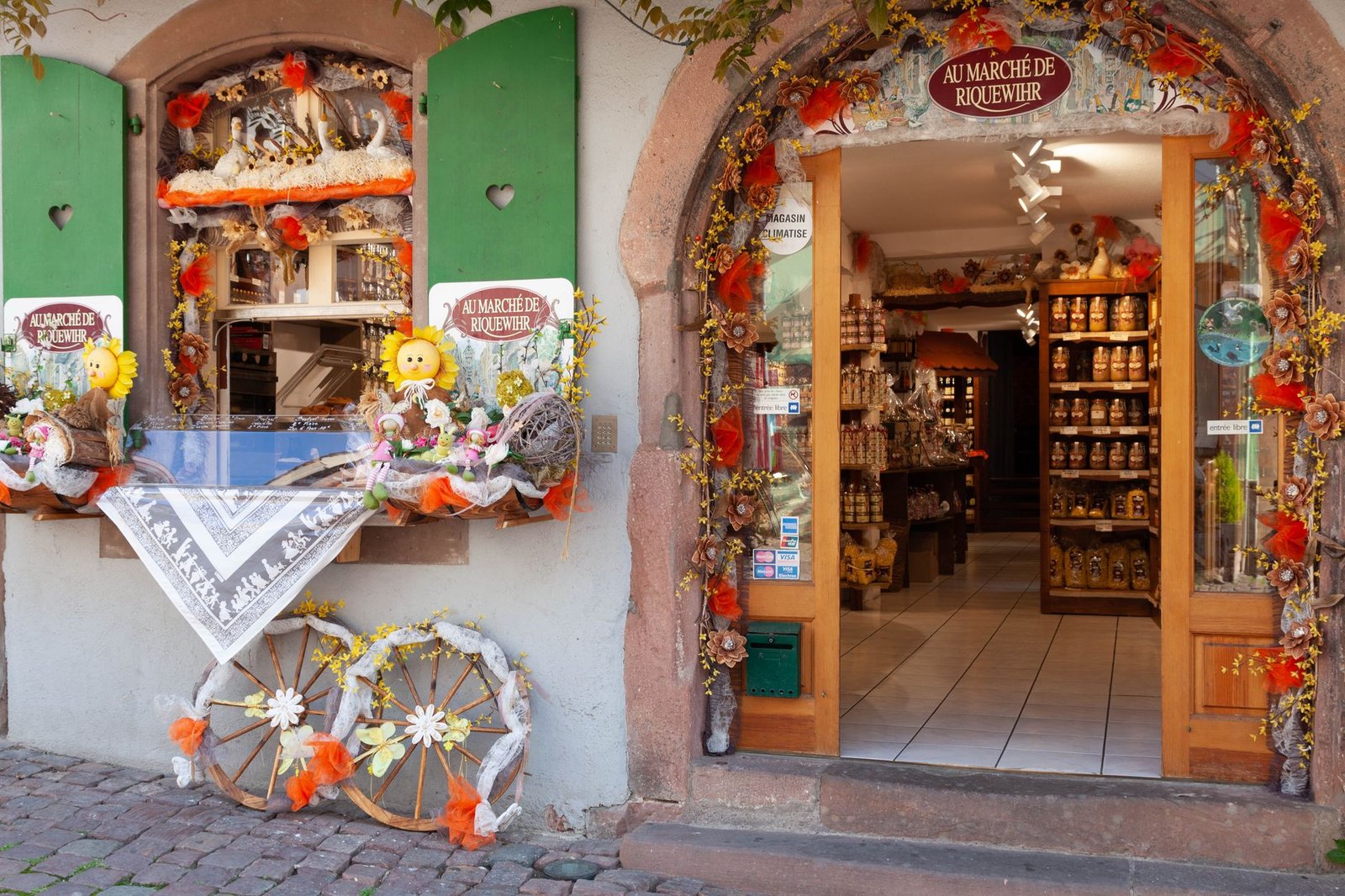
There’s also the notion that perhaps it’s too perfect. I worried it would feel like a meticulously preserved museum piece, drained of real life by its very picturesque nature. Some places are so well-maintained they lose their soul, becoming mere backdrops. I half-expected a gift shop on every corner selling miniature half-timbered houses and little else. My expectations, I admit, were firmly in the ‘charming but ultimately forgettable’ camp.
What Makes It Worth the Detour
Stepping through one of the ancient gates into Riquewihr, my carefully constructed cynicism began to crack. This isn’t just “another pretty village.” This is a place that feels less like a modern tourist destination and more like a beautifully preserved anomaly. The descriptions aren’t exaggerated: it genuinely *is* a walled Alsatian wine village, and those half-timbered houses truly do look largely unchanged since the 16th century. It’s like someone hit pause on history, and then decided to maintain the scene with obsessive dedication.
What struck me first was the texture of the place. The cobblestones underfoot aren’t artfully laid for tourists; they’re worn smooth by centuries of footsteps. The timber frames of the houses aren’t merely decorative; they lean and creak with stories. I expected a sterile perfection, but found a living, breathing history instead. Wandering down Rue du Général de Gaulle, the main street, felt less like walking through a themed attraction and more like being invited into a particularly well-kept private garden.
And the wine, naturally. This is the heart of Alsace wine country, after all. I’d braced myself for mass-produced tourist plonk, but the local cellars here offer serious, nuanced Rieslings, Gewürztraminers, and Pinot Gris. Ducking into a family-run “caveau” for a tasting, away from the midday crowds, was a revelation. It wasn’t about the hard sell; it was about genuine pride in their product, a far cry from the hurried tastings you often encounter elsewhere.
Beyond the wine, it’s the quiet moments that truly sell Riquewihr. The feeling of the morning mist clinging to the rooftops before the day-trippers arrive, the way the late afternoon sun casts long, dramatic shadows down the narrow alleyways. Or discovering a tiny, hidden courtyard that feels entirely yours for a moment. It’s a sensory experience – the smell of freshly baked kugelhopf, the distant clinking of glasses, the cool stone walls against your hand. These are the details you don’t get from a picture, and they’re what transform it from a quaint village into a truly memorable destination.
The fact that it’s walled gives it an intimacy, a sense of being a self-contained world. You walk the perimeter, look out over the vineyards stretching towards the Vosges mountains, and it’s easy to imagine watchmen doing the same centuries ago. It feels remarkably untouched, not in a neglected way, but in a way that suggests respect for its heritage. It proved my initial skepticism completely unfounded; Riquewihr isn’t just charming, it’s genuinely captivating.
Practical Basics
If you’re planning a trip to this gem, the best times to visit are generally between April and October, when the weather is pleasant and the vineyards are vibrant. December is also a popular choice, particularly for those who love a festive atmosphere, as the Christmas markets in Alsace are famous for a reason. Keep in mind that Riquewihr is compact, so while you can see the main sights in a day, staying overnight allows you to experience its tranquil mornings and evenings, which I highly recommend.
Getting here is relatively straightforward, usually involving a train to Colmar and then a short bus or taxi ride. France is part of the Schengen Area, so standard visa rules apply for most international travelers. As with most places in Western Europe, safety is generally very good, but common sense precautions are always advisable. Costs can vary depending on your accommodation and dining choices, but there’s a range of options from quaint B&Bs to more upscale hotels, and plenty of local eateries serving hearty Alsatian fare.
Summary
So, yeah, I went in with low expectations, figuring Riquewihr would be another pretty postcard town on the long list of pretty postcard towns. I was wrong. It’s a genuine slice of living history, a place that actively defies the generic travel blog clichés by simply existing as it has for centuries. If you’re looking for a corner of Europe that feels authentic, steeped in history, and genuinely, surprisingly beautiful, then do yourself a favor and put Riquewihr on your itinerary. It’s the kind of place that sticks with you, proving that sometimes, the lesser-known spots are the ones that leave the deepest impression.
Plan your trip with TourZen.in – real itineraries, trusted local experts, one simple conversation.
Image by: PHILIPPE SERRAND\nhttps://www.pexels.com/@philippe-serrand-337910945