Bonifacio, Corsica: A Practical Overview
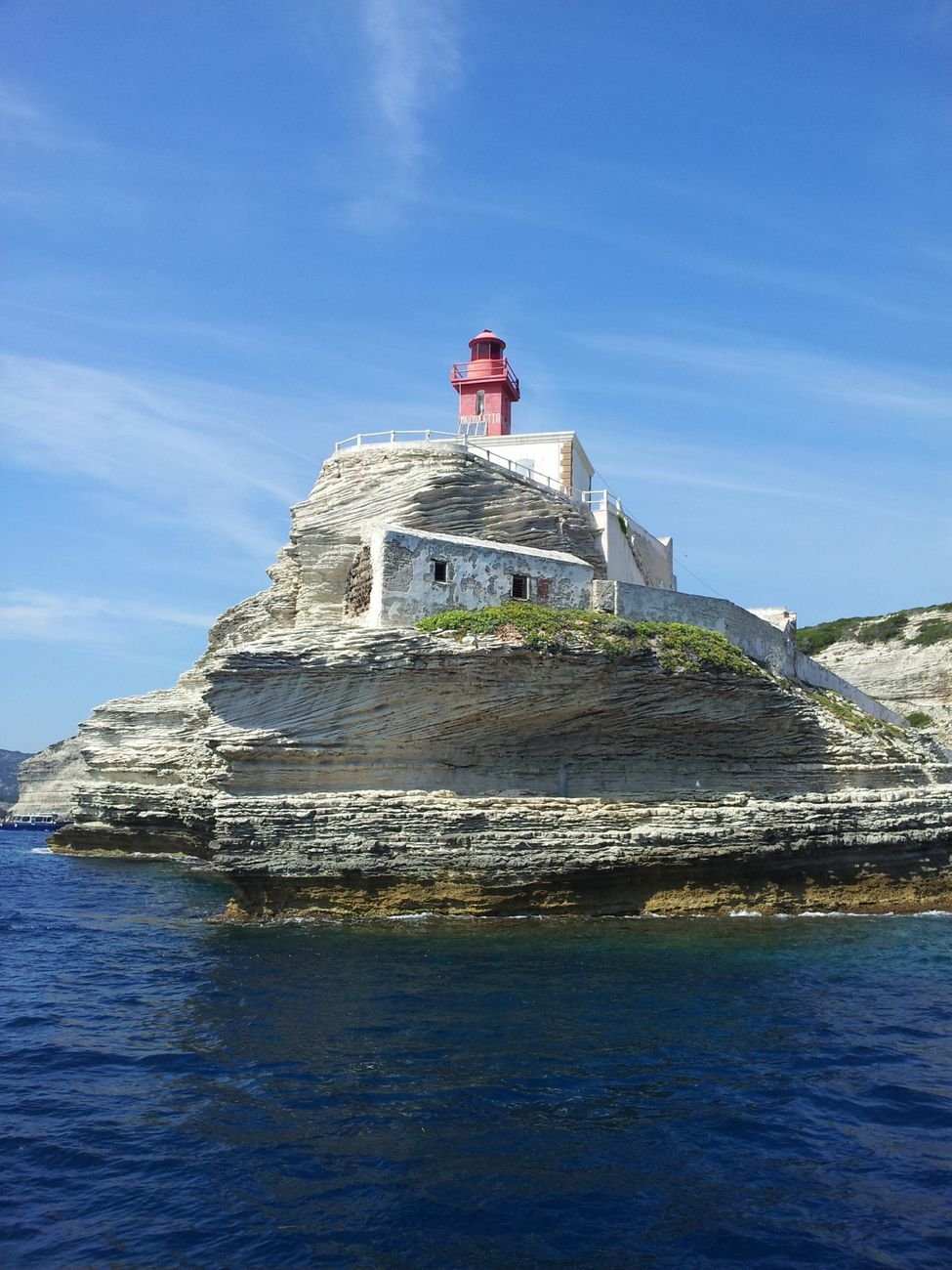
Bonifacio holds its ground on a dramatic stretch of Corsica’s coastline. The town’s buildings, notably its historic houses, are constructed right to the very edge of the towering white limestone cliffs. Some sections appear to defy gravity, jutting out over the Mediterranean Sea. This isn’t just a scenic view; it’s the fundamental character of the town, shaping its layout and how one experiences it.
The practical implication of this cliff-edge existence is immediately apparent. Movement within the old town, the Citadelle, involves navigating steep, narrow streets. Comfortable footwear is not merely a recommendation here; it’s a necessity. Cobblestones are uneven, and gradients can be significant. If mobility is a concern, plan your routes carefully or consider staying closer to the port area, which is flatter.
Navigating the Upper Town
The Citadelle, the fortified upper town, is where much of Bonifacio’s history is concentrated. Walking through its ancient gates, you are within walls that have stood for centuries. The primary reason for visiting this area, beyond the views, is to absorb the sense of a town built for defense and resilience. Expect a fair amount of walking and climbing. There are steps, inclines, and winding alleys that open into small squares.
From the ramparts, the views across the Strait of Bonifacio towards Sardinia are impressive. This vantage point also offers a clear perspective of the natural harbor below, a deep fjord-like inlet that historically provided shelter for ships. It’s a good spot to orient yourself before heading down to the marina.
Life by the Harbour
Below the cliffs, the marina area offers a different pace. Here, you’ll find a range of dining options, from casual cafes to more established restaurants. This is also the hub for boat excursions, which are highly recommended for appreciating the sheer scale of Bonifacio’s cliffs and the surrounding sea caves. Tour boats depart regularly, offering short trips that provide unique perspectives of the town from the water. In peak season, booking in advance is a sensible approach to avoid delays or disappointment.
When planning a boat trip, verify the duration and what is included. Some tours focus purely on the cliffs and caves, while others might include a stop at a nearby island. Check the weather conditions before departing; rough seas can make for an uncomfortable journey, especially for those prone to seasickness.
Practical Basics for Your Visit
For visitors from outside the Schengen Area, standard European visa requirements apply. Bonifacio is part of France, so ensure your visa covers the Schengen zone if required for your nationality. Always check the latest requirements well in advance of your travel dates. A valid passport with at least six months of validity beyond your intended departure date is standard practice.
The best time to visit Bonifacio is between June and September. During these months, the weather is consistently warm and sunny, ideal for coastal activities, boat trips, and exploring on foot. Outside of this period, many seasonal businesses may be closed, and ferry schedules can be significantly reduced. While the shoulder seasons (May and October) can offer quieter experiences, you run the risk of fewer services and less predictable weather.
Regarding costs, Bonifacio operates on a Western European price structure. Accommodation, dining, and activities will be comparable to other popular French tourist destinations. Expect to pay more in the peak summer months. Budgeting for meals, especially in the more scenic harbor-front restaurants, is important. A typical meal can range from moderate to expensive, depending on the establishment. Local markets can offer more cost-effective options for self-catering if your accommodation allows.
Safety in Bonifacio is generally high, as with most of France. However, standard precautions are always advised. Be mindful of your belongings in crowded areas, especially around the port and in busy tourist spots. Keep an eye on your passport and wallet. While violent crime is rare, petty theft can occur anywhere. Secure your accommodation and avoid leaving valuables visible in parked cars.
The local language is French, though many in the tourism sector will speak English. Learning a few basic French phrases is always appreciated and can enhance your interactions. Cash is useful for smaller purchases, though credit cards are widely accepted.
Getting Around and Staying Prepared
If you plan to rent a car, be aware that parking in Bonifacio, especially near the old town, can be challenging and expensive, particularly during high season. Consider parking further out and utilizing local shuttle services or walking. The town itself is best explored on foot, given its narrow streets and pedestrianized areas.
Sun protection is essential during the summer months. Pack a hat, sunglasses, and high-SPF sunscreen. Stay hydrated, especially when climbing stairs and walking in direct sunlight. The sea breezes can be deceptive, making the strong sun feel less intense than it is. Evenings can sometimes be cooler, so a light jacket or shawl is a sensible addition to your packing list.
Bonifacio offers a distinct experience, dictated by its unique geography. It requires a bit of effort to navigate its steep terrain, but the payoff is a town unlike many others. Planning ahead for accommodation, transport, and activities will ensure a smoother visit, allowing you to focus on the dramatic scenery and the town’s historical depth.
Plan your trip with TourZen.in – real itineraries, trusted local experts, one simple conversation.
Image by: Frank B.\nhttps://www.pexels.com/@frank-b-14620341