Shirakawa-go, Honestly Explained: A Traveler’s Guide
Japan in winter? Everyone talks about the ski slopes or the illuminated city streets. And yeah, those are great. But if you’re looking for that *real* postcard moment, the kind that makes you wonder if you’ve stepped into a carefully crafted diorama, then you need to aim your compass for Shirakawa-go, specifically when the snow decides to put on a show. And trust me, it’s a show you won’t forget.
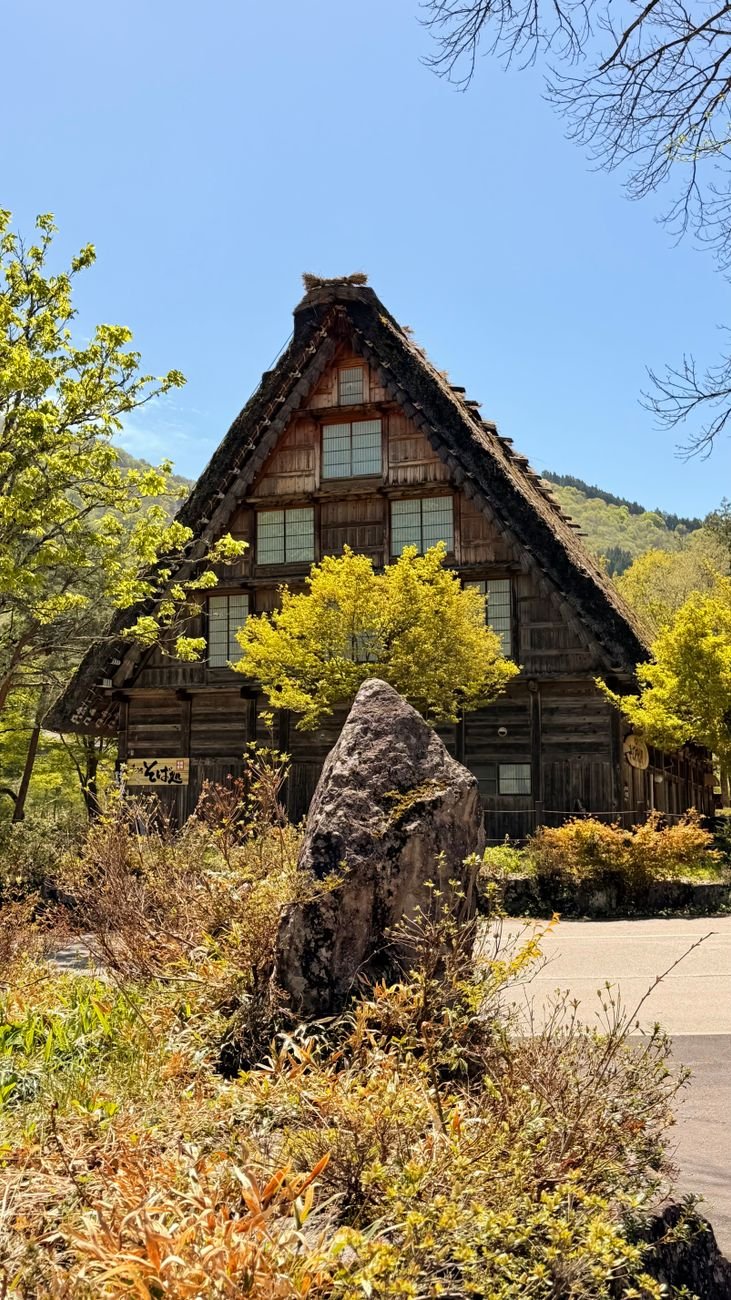
I’ve seen a fair few snowy villages in my time, but Shirakawa-go hits different. It’s not just the amount of snow – and there’s a lot – it’s how it transforms everything. Those famous steep, thatched roofs, called gassho-zukuri, they’re designed for this. When they’re piled high with a fresh coat of white, they look like giant hands clasped in prayer, a hushed testament to centuries of harsh winters. It’s a quiet kind of beauty, one that makes you instinctively lower your voice.
The Sound of Silence, and the Crunch of Snow
Walking through Shirakawa-go in winter is a sensory experience that’s hard to beat. The snow muffles everything. The usual village hum of daily life fades into a gentle background, replaced by the satisfying crunch of your boots on packed snow. Occasionally, you’ll hear the whoosh of a snowplow, or the distant laughter of kids making snow angels, but mostly, it’s just you and the silent beauty of the landscape.
The air bites a little, crisp and clean, carrying the faint scent of woodsmoke from a hidden hearth. You’ll find yourself pulling your scarf tighter, but in a good way, feeling utterly present. And when the sun breaks through, turning the snow into a dazzling, diamond-dusted carpet, it’s pure magic. Just remember those sunglasses – snow blindness is no joke.
Those Iconic Roofs: A Winter Marvel
The gassho-zukuri farmhouses are, without a doubt, the main event here. And under a heavy blanket of snow, they just look more… authentic, somehow. You can see why they were built this way – the steep pitch helps the heavy snow slide off, protecting the thick thatch. It’s ingenious, really, a masterclass in functional design that also happens to be incredibly beautiful.
Some of these houses are still lived in, while others have been turned into museums, guesthouses, or shops. Visiting one of the open houses, like the Wada House, gives you a peek into what life was like for generations. You’ll see the massive beams, the smoke-stained interiors, and perhaps even a traditional open hearth keeping things toasty. It’s fascinating to see how they adapted to such harsh conditions, and it makes you appreciate the warmth of your own layers even more.
Navigating the Snowy Paths
Getting around Shirakawa-go itself is pretty straightforward, even with snow. The main paths are usually cleared, but expect some slippery spots. Good, waterproof boots with decent grip are non-negotiable. Seriously, don’t skimp on footwear here. A bad slip can ruin your day, or worse, your trip.
There’s a local bus that loops around, and a shuttle service up to the famous observation deck. That viewpoint? It’s where you get that iconic panorama of the village, roofs peaking through the snow, like something out of a fairy tale. Go at different times if you can – morning light, afternoon glow, or even at dusk when the village lights start to twinkle. Each view offers something unique.
If you’re planning a trip during the peak winter light-up events, be aware that it gets crowded. And by crowded, I mean absolutely swamped. Unless you’ve booked everything months in advance and have the patience of a saint, I’d suggest visiting on a regular winter day. The village is just as beautiful, arguably more peaceful, and you won’t spend half your time jostling for a photo spot.
Practical Basics: Your Winter Toolkit
When to Go: The absolute best time to experience Shirakawa-go under snow is from December to February. That’s when the village is reliably blanketed in white, offering those picture-perfect scenes. Early December or late February might have slightly less intense snow but can still be beautiful and less crowded. January is usually peak snow season.
Getting There: Shirakawa-go isn’t exactly on the bullet train route, which is part of its charm. You’ll usually take a bus from Takayama or Kanazawa. In winter, bus schedules can occasionally be affected by heavy snowfall, so it’s always wise to check in advance and build in some buffer time if you have connecting travel plans. Japanese public transport is incredibly reliable, but even they can’t beat a blizzard.
Staying Warm (and Dry): Layers, layers, layers! A good thermal base layer, a fleece or wool mid-layer, and a waterproof, windproof outer shell are essential. Don’t forget a warm hat, gloves, and those aforementioned waterproof boots. An extra pair of socks never hurts. And yes, you might look like the Michelin Man, but you’ll be comfortable.
Accommodation: You can stay in the village, including some of those gorgeous gassho-zukuri houses converted into guesthouses (minshuku). This is an incredible experience, often including dinner and breakfast. They book up *fast* in winter, especially for weekend and light-up dates, and can be pricier. For budget travelers, staying in nearby Takayama or Kanazawa and doing Shirakawa-go as a day trip is a perfectly viable and cheaper option. Just make sure you get an early start to maximize your time.
Food & Drink: Don’t leave without trying some local specialties. Hida beef, if you eat meat, is famous in this region and absolutely melts in your mouth. Warming bowls of ramen or soba noodles are perfect for cold days. And if you’re brave enough to try a local sake, it’s a great way to warm up from the inside out.
Costs: Japan can be pricey, but Shirakawa-go doesn’t have to break the bank. Entry to the village itself is free, and you can wander the public areas at no cost. The main expenses will be transport, accommodation, and food. As Vivek, I’d say splurge on one good meal or a night in a traditional farmhouse if your budget allows – it’s worth the experience. Otherwise, enjoy the views, pack some snacks, and keep those yen for another adventure.
Visa Notes: For most Western nationalities, Japan offers visa-free entry for short tourist stays. Always check the latest visa requirements for your specific nationality before you travel, as these can change.
A Memory Etched in White
Shirakawa-go in winter isn’t just a destination; it’s an immersion. It’s stepping into a quieter, more resilient version of Japan, where traditions endure and the landscape dictates the rhythm of life. You’ll leave with more than just photos; you’ll have a memory of serene beauty, the kind that makes you truly appreciate the raw power and simple elegance of nature. It’s not just worth the trip; it’s an absolute must-do for anyone craving a truly unique winter experience.
Plan your trip with TourZen.in – real itineraries, trusted local experts, one simple conversation.
Image by: Stephan Leuzinger\nhttps://www.pexels.com/@stephan