First-Time Guide to Madagascar: What to Know Before You Go
Madagascar is an island unlike any other. It offers a truly unique experience, but it is not a destination for the unprepared. To make the most of your journey and ensure your safety and budget are managed, consider the following practical points before you go.
When to Plan Your Trip
The dry season, from April to November, is generally the best time to visit Madagascar. During these months, rainfall is minimal, making travel on sometimes challenging roads easier. Wildlife viewing, particularly for lemurs, is also excellent as they are more active and visible. Planning within this window will help avoid common travel disruptions.
Why Madagascar is Unique
Madagascar is defined by its isolation. This has led to the evolution of an ecosystem found nowhere else on Earth. It is home to thousands of species of plants and animals, 90% of which are endemic. This includes all of the world’s lemurs, a diverse range of chameleons, and the iconic baobab trees. Understanding this uniqueness means appreciating the delicate balance of its environment and the importance of responsible travel.
Getting There and Moving Around
International flights typically arrive at Ivato International Airport (TNR) in Antananarivo, the capital. Direct flights are limited, often requiring connections through European or African hubs.
Once on the island, internal travel requires careful planning. Domestic flights connect major towns, but schedules can be fluid. Road conditions vary significantly; many routes are unpaved and can be slow, especially after rain. Hiring a reliable 4×4 with an experienced local driver is often the most practical and safest option for inter-city travel, particularly if you plan to visit national parks. Public transport, while cheaper, can be unpredictable and uncomfortable for long distances.
Essential Preparations for Your Journey
Visa Requirements
A visa is required for most foreign visitors to Madagascar. It is possible to obtain a visa on arrival at Ivato International Airport for stays up to 90 days. However, it is always prudent to check the latest visa regulations with the Malagasy embassy or consulate in your country of residence before departure, as rules can change.
Health and Safety
Consult your doctor well in advance of your trip for advice on necessary vaccinations. Yellow Fever vaccination may be required if you are arriving from an endemic country. Malaria is present in many areas of Madagascar, so discuss anti-malarial medication with your healthcare provider. Always use insect repellent containing DEET, wear long sleeves and trousers at dusk, and sleep under mosquito nets where provided.
Food and water hygiene are critical. Drink only bottled or purified water. Avoid raw vegetables and ensure all food is cooked thoroughly. Carry a basic medical kit with essentials like pain relievers, anti-diarrhea medication, and any personal prescription drugs.
Managing Your Finances
The local currency is the Malagasy Ariary (MGA). While ATMs are available in larger towns and cities, they can be unreliable or run out of cash. It is advisable to carry a sufficient amount of cash in smaller denominations for rural areas, local markets, and smaller establishments. Major credit cards are accepted in high-end hotels and restaurants in Antananarivo, but not widely elsewhere. Exchange foreign currency (Euros are widely accepted) at official bureaux de change or banks upon arrival.
What to Pack
Pack light, breathable clothing suitable for tropical climates. Long-sleeved shirts and trousers are useful for sun protection and mosquito prevention. Sturdy, comfortable walking shoes are essential for exploring national parks and reserves. A waterproof jacket or poncho is recommended even during the dry season, as unexpected showers can occur. Don’t forget a wide-brimmed hat, sunglasses, and high-SPF sunscreen. A good quality flashlight or headlamp will be invaluable, especially for night walks to spot nocturnal wildlife.
Navigating the Island: Practical Advice
Respecting Local Customs
The Malagasy people are generally welcoming. A respectful attitude towards their culture and traditions is important. Learn a few basic Malagasy phrases – even “Salama” (hello) and “Misaotra” (thank you) can go a long way. Always ask permission before taking photographs of people, particularly in rural areas. Dress modestly, especially when visiting villages or religious sites.
Environmental Responsibility
Madagascar’s biodiversity is fragile. Stick to marked trails in national parks and do not disturb wildlife. Do not purchase products made from endangered species. Minimize your waste and carry out everything you bring in. Support local communities by purchasing goods and services directly from them, ensuring your money benefits the people who live there.
General Safety
Be aware of your surroundings, especially in crowded areas and cities. Keep valuables out of sight and use hotel safes if available. Avoid walking alone at night, particularly in unlit areas. It is always wise to use registered guides or tour operators for excursions into national parks and remote regions.
Summary: Plan Smart, Travel Well
Madagascar offers an unparalleled natural adventure. Its unique landscapes and wildlife promise an unforgettable experience. However, a successful trip relies heavily on thorough preparation and a pragmatic approach to logistics. Plan your itinerary carefully, understand the realities of travel on the island, and prioritize your health and safety. With the right preparation, your journey to Madagascar will be rewarding.
Plan your trip to this destination with TourZen.in – real itineraries, trusted local experts, one simple conversation.
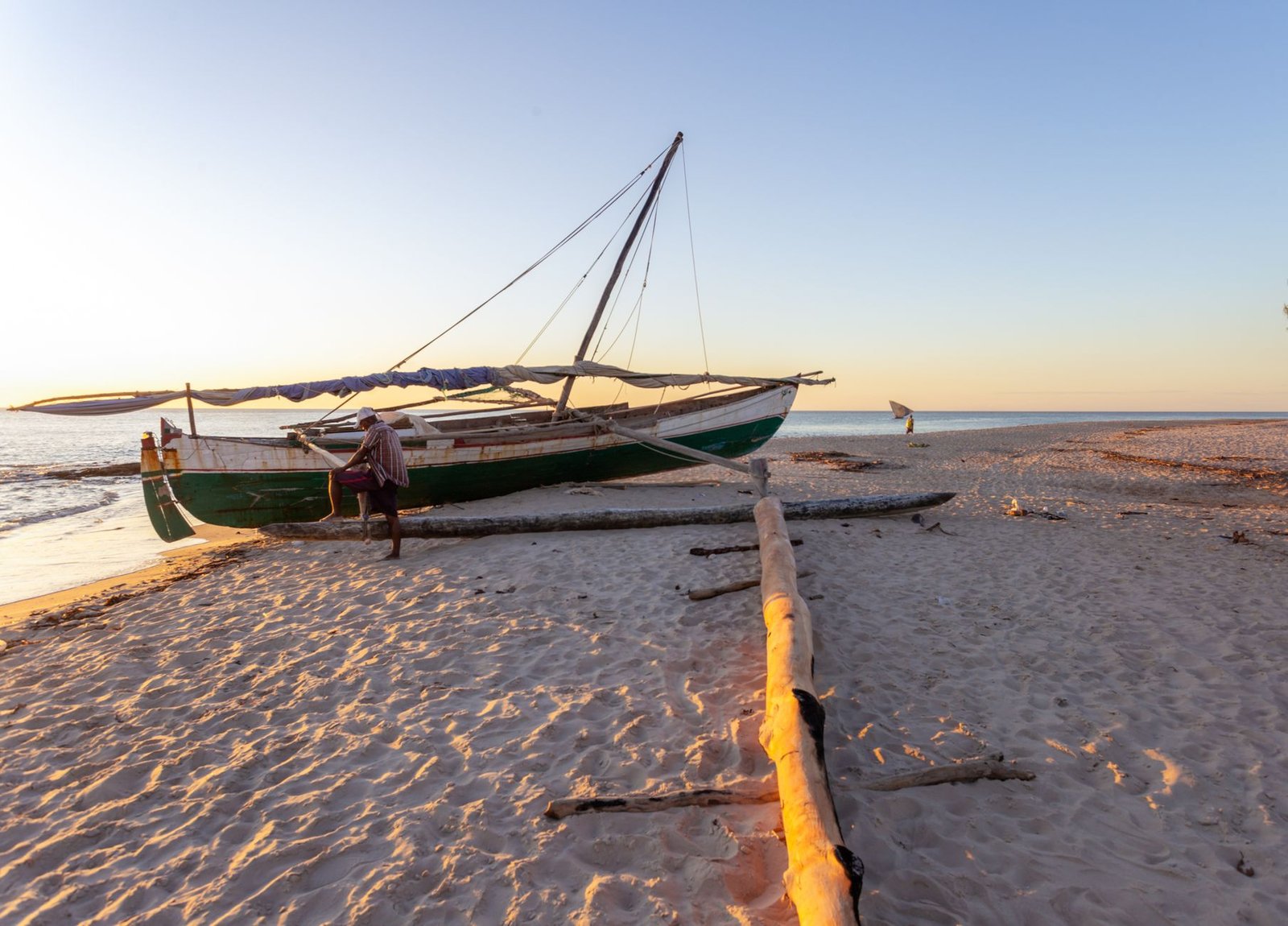
Image by: louloua asgaraly\nhttps://www.pexels.com/@louloua-asgaraly-132795