Why Chios Mastic Villages Deserves a Spot on Your Travel List
I know, I know. Chios? Mastic Villages? It’s probably not a name that immediately springs to mind when you’re dreaming up your next European family adventure. We’ve all been there, poring over maps, trying to find somewhere truly special, a place that feels like a secret just waiting to be uncovered. And honestly, for a long time, the stunning, unique villages of Chios, built entirely around the cultivation of a miraculous, tear-like resin called mastic, were very much that secret. But trust me, as a mum who meticulously plans every detail, this enchanting corner of Greece is an absolute gem, one that deserves a prime spot on your itinerary.
Why It’s Been Overlooked
Part of the reason these incredible villages have remained largely off the mainstream radar is precisely because of their singular focus: mastic. This precious resin, harvested from the mastic trees that only grow here, on the southern part of Chios, has been the lifeblood of these communities for centuries. While other Greek islands leaned into olives, grapes, or seaside tourism, the villages of southern Chios were perfecting the art of “kentos,” the delicate process of scoring the tree bark to encourage the resin to weep. This deep specialization, while creating immense wealth and unique culture, also meant they didn’t chase the typical tourist boom. They built their fortified homes, their labyrinthine streets, and their entire way of life around this one golden crop, making them a world apart.
Also, Chios itself isn’t one of the Cycladic darlings or the Ionian crowd-pleasers. It’s a larger island, a bit further north in the Aegean, closer to Turkey. This slightly off-the-beaten-path location means fewer direct flights from major hubs, and certainly less mention in generic travel guides. For families like ours, it often means an extra connection, and with little ones, we always weigh those travel times carefully. But sometimes, those extra steps lead you to the most rewarding discoveries, and Chios is absolutely one of them. It’s less about grand resorts and more about genuine cultural immersion, a slower pace that can be a real blessing with children who might get overwhelmed by bustling tourist traps.
What Makes It Worth the Detour
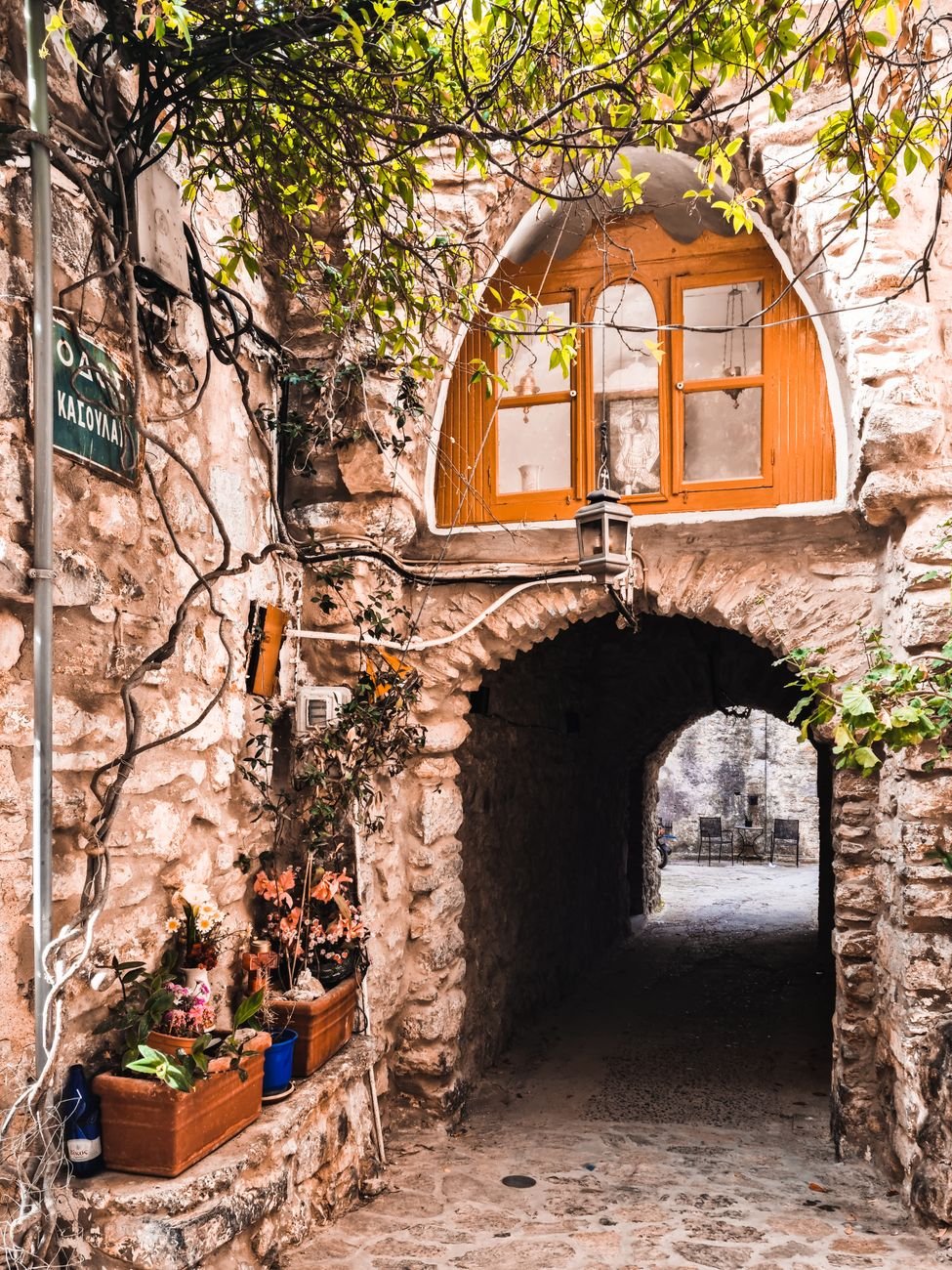
From the moment you arrive in the Mastic Villages, you’ll feel like you’ve stepped back in time. These aren’t just pretty villages; they are living, breathing fortresses, designed to protect the precious mastic and its producers from pirate raids. Imagine walking through the narrow, winding streets of a place like Mesta, where the buildings are so close they form a continuous wall, creating a shaded, cool maze perfect for little legs (and ours!) to explore. The archways connecting houses overhead are simply magical, and my children loved playing hide-and-seek around every corner.
The architecture is truly something else. Take Pyrgi, for instance, often called the “painted village.” Here, the houses are decorated with incredible geometric patterns called “xysta,” created by scratching plaster to reveal a darker layer beneath. It’s like a giant, exquisite artwork covering entire buildings, and it’s unlike anything else you’ll see in Greece, or perhaps even in Europe. I found myself constantly stopping, mesmerized, thinking about the sheer artistry and dedication behind each home. And for the kids, it’s like exploring a fairytale town, full of nooks and crannies and fascinating details at every turn.
Beyond the stunning visuals, it’s the story of mastic itself that truly captivates. You can visit the Mastic Museum to understand its history, from ancient remedies to modern chewing gum and even cosmetics. But the real magic happens when you see the mastic trees, unassuming shrubs that yield this extraordinary resin. If you visit during the warmer months, especially late summer, you might even see locals engaged in the age-old harvesting process. It’s a slow, meticulous craft, done entirely by hand, and it offers such a wonderful opportunity for children to see where things come from, connecting them to the land and its traditions in a truly memorable way.
And then there’s the taste! Mastic is used in so many surprising and delightful ways. We tried mastic-flavored ice cream, “submarine” sweets (a spoonful of mastic jam dipped in cold water), and even mastic liqueurs (for the adults, of course!). It’s a subtle, piney, almost floral flavor that grows on you, and it’s a perfect way to experience the local culture through your taste buds. Imagine a relaxing afternoon, perhaps after a busy morning of exploration, sitting in a quiet village square, enjoying a unique treat while the children play. That’s the kind of precious holiday memory we’re always striving for.
Practical Basics
Planning is key, especially when traveling with family. The best time to visit Chios and its Mastic Villages is generally from April to October. During these months, the weather is beautiful – warm and sunny, but usually with a refreshing Aegean breeze. April and May offer lush landscapes and pleasant temperatures for exploring, while September and October are lovely for mild weather and perhaps even observing some of the mastic harvesting. July and August can be quite hot, so plan your activities for mornings and late afternoons, perhaps enjoying some downtime or a swim at a nearby beach during the midday heat. Ferry connections are also more frequent during the peak season, which is always a consideration for us.
In terms of safety, Greece is generally a very safe country, and the Mastic Villages are particularly peaceful. These are close-knit communities, and you’ll find locals to be incredibly welcoming and helpful. As always, common sense precautions apply: keep an eye on your belongings, especially in busier areas, and be mindful of your surroundings. But honestly, walking through the villages felt incredibly secure, even in the labyrinthine parts.
Regarding costs, Chios, being less touristed than some other Greek islands, can offer good value. Accommodation ranges from charming guesthouses within the villages to hotels near the coast. Eating out can be very affordable, especially if you enjoy traditional tavernas serving delicious local specialties. We always find that self-catering some meals, perhaps with fresh produce from a local market, helps manage the budget and also adds a fun, authentic experience. It’s always wise to have some cash on hand, especially in smaller villages, though credit cards are widely accepted.
For visa requirements, remember that Greece is part of the Schengen Area. Depending on your nationality, you might need a visa for entry. It’s always best to check the latest requirements well in advance of your trip to ensure a smooth journey for the whole family.
Summary
Chios and its Mastic Villages offer a truly unique European experience, far removed from the usual tourist trails. It’s a destination that marries fascinating history, distinctive architecture, and a captivating local culture centered around a single, remarkable crop. For families seeking an authentic, educational, and genuinely beautiful adventure, where every turn reveals a new wonder, this overlooked corner of Greece is an absolute must. It’s a place where you can slow down, connect with history, and create those invaluable, unique family memories.
Plan your trip with TourZen.in – real itineraries, trusted local experts, one simple conversation.
Image by: Eftychia Syrimi\nhttps://www.pexels.com/@eftychia-syrimi-104294608