Why Nagaland (Hornbill Festival) Deserves a Spot on Your Travel List
Deciding where to invest your precious travel time and budget often comes down to a careful calculation. Is the effort of getting there, the inevitable logistical hurdles, truly justified by the experience on offer? For a long time, Nagaland, tucked away in India’s far northeast, felt like one of those destinations that sounded interesting in theory but maybe too complex in practice. Then December rolled around, and with it, the Hornbill Festival. And that’s when the equation shifted.
I’ve worked remotely from over thirty countries now, and my definition of a ‘worthwhile’ trip has become less about picturesque backdrops and more about what genuinely sticks with you, what fundamentally changes your understanding of a place, and crucially, how smoothly the day-to-day operations actually run. The Hornbill Festival in Nagaland offers something rare: a concentrated, vibrant immersion into a culture that isn’t simply curated for tourists but is very much alive, and remarkably, quite accessible if you time it right.
The Rungwe Festival Ground: A Controlled Convergence
Forget the image of a remote, inaccessible tribal gathering. The Hornbill Festival, held annually in Kisama Heritage Village near Kohima, is a masterclass in organized cultural display. From roughly the 1st to the 10th of December, it brings together all of Nagaland’s major tribes onto a single platform. This isn’t a spontaneous village fair; it’s a well-orchestrated event, designed to showcase the distinct traditions of each group – their dances, songs, crafts, and food. The benefit for a traveler is clear: instead of needing weeks to traverse disparate regions, you get a curated, yet authentic, overview in one location.
Logistically, this concentration is a game-changer. Accommodation, while not always five-star, is available, ranging from guesthouses in Kohima to homestays or even tented camps set up specifically for the festival. Connectivity, which can be patchy in more remote areas, is generally robust enough around the festival grounds for basic communication and work. This means you can genuinely integrate attending the festival into a wider travel plan without going completely off-grid, a frequent concern for those of us who need to stay connected.
Daily Rhythms and Practicalities
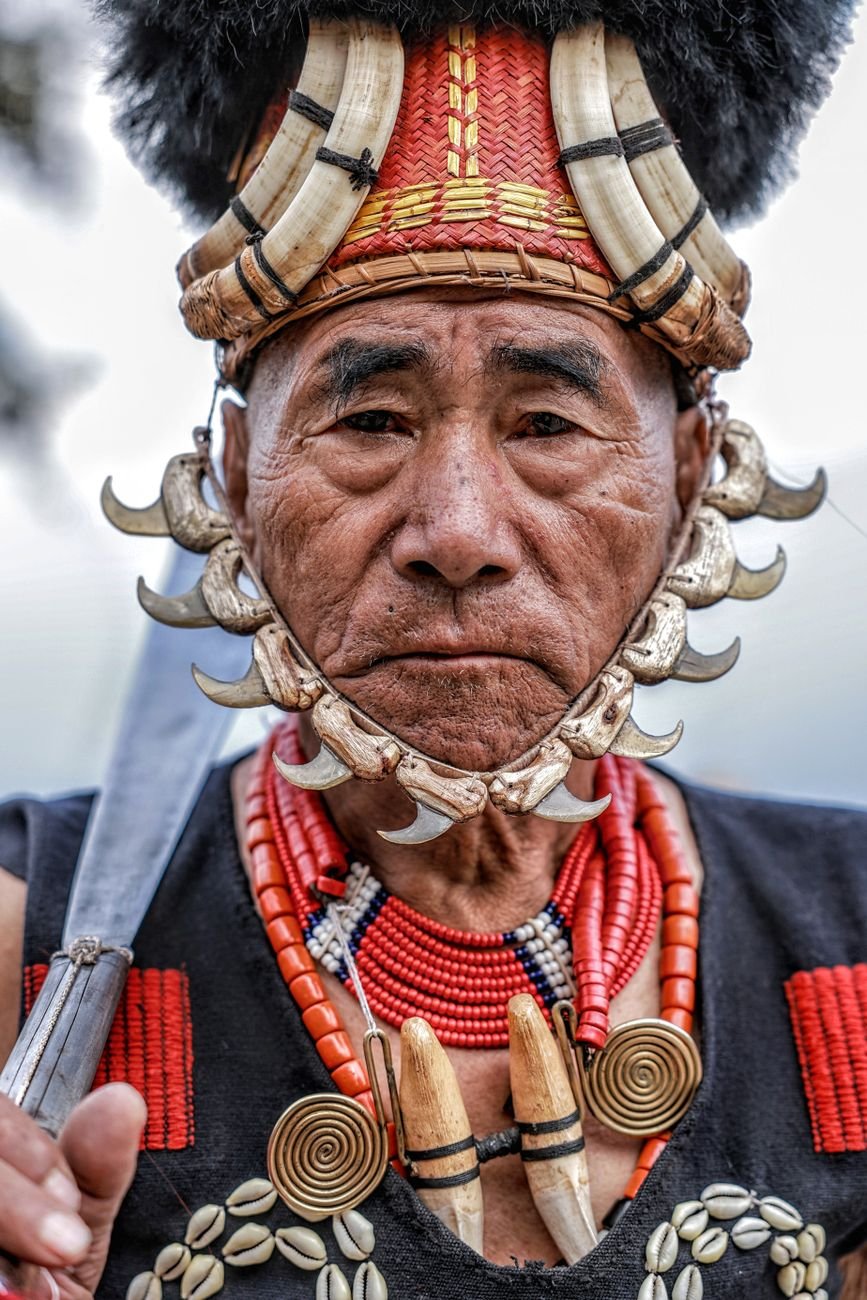
The days at Hornbill quickly establish a rhythm. Mornings begin with a procession of tribes, each in their distinctive attire, making their way to the main arena. The sounds are immediate and visceral: rhythmic drums, chanting, the clinking of traditional ornaments. Unlike many festivals that devolve into a chaotic free-for-all, there’s a sense of order here. You move from one tribal morung (traditional hut) to another, observing craft demonstrations, tasting local rice beer and roasted meats, and watching performances unfold in a continuous loop.
For those interested in the practicalities of souvenir hunting, the festival grounds host a vibrant marketplace. Expect hand-woven textiles, intricate jewelry, and wooden carvings. Prices are generally reasonable, and bargaining, while not aggressive, is part of the experience. It’s a good opportunity to support local artisans directly, something I always prioritize. Getting around Kisama and between Kisama and Kohima typically involves shared taxis or pre-arranged transport, which are efficient enough during the festival period due to the increased demand.
Connectivity, Cost, and Visas: What You Need to Know
Visiting Nagaland, particularly for the Hornbill Festival, requires a bit more planning than, say, a trip to Goa. First, the timing is crucial: the festival runs for the first ten days of December. This is also when the weather is generally pleasant – cool days and crisp nights, ideal for exploring without the oppressive heat of other parts of India. Beyond the festival, late November through December is considered the best time to visit for overall comfortable conditions.
From an administrative perspective, foreign nationals usually require a Protected Area Permit (PAP) or a Restricted Area Permit (RAP) to enter Nagaland. While these requirements have been relaxed or even lifted at various times for some nationalities, it’s absolutely critical to check the current regulations with the Indian government or your embassy well in advance of your trip. Don’t assume. Indian nationals also need an Inner Line Permit (ILP). These permits are generally straightforward to obtain online or at designated offices, but they are non-negotiable.
Cost-wise, Nagaland is not a budget backpacker’s paradise in the same vein as Southeast Asia, but it’s also not prohibitively expensive. Accommodation during the festival period will be at a premium, so booking well ahead is advisable. Daily expenses for food, transport, and festival entry are manageable. Compared to major Indian cities, the overall cost of living and travel here leans towards the more affordable side, especially once you’re settled in. Expect to pay for experiences rather than luxury amenities.
Regarding safety, Nagaland is generally considered safe for tourists. The people are welcoming, and the festival environment is well-monitored. As with any travel, exercising basic precautions and respecting local customs goes a long way. This is a region with a distinct identity and history, and approaching it with an open mind and respectful demeanor will ensure a smoother experience.
A Unique Blend of Tradition and Practicality
What I appreciate about the Hornbill Festival is its unapologetic presentation of Naga identity. It’s not trying to be anything it isn’t. The customs, the attire, the stories – they’re presented with a quiet pride. For someone who tends to look beyond the glossy brochure, Nagaland during Hornbill offers a chance to engage with a part of India that remains genuinely distinct. It’s an opportunity to witness a vibrant cultural tapestry, and more importantly, to understand the logistical planning and communal effort that goes into preserving it.
It’s a specific kind of travel, one that rewards careful preparation and an interest in genuine cultural exchange over passive sightseeing. If your travel philosophy prioritizes unique experiences, efficient cultural immersion, and a deep dive into distinct traditions, then putting Nagaland and its December festival on your list isn’t just a romantic notion; it’s a genuinely viable and profoundly rewarding plan.
Plan your trip with TourZen.in – real itineraries, trusted local experts, one simple conversation.
Image by: Anusree GS\nhttps://www.pexels.com/@anusree-gs-44418848