Chasing the Unknown: A Journey to Meteora
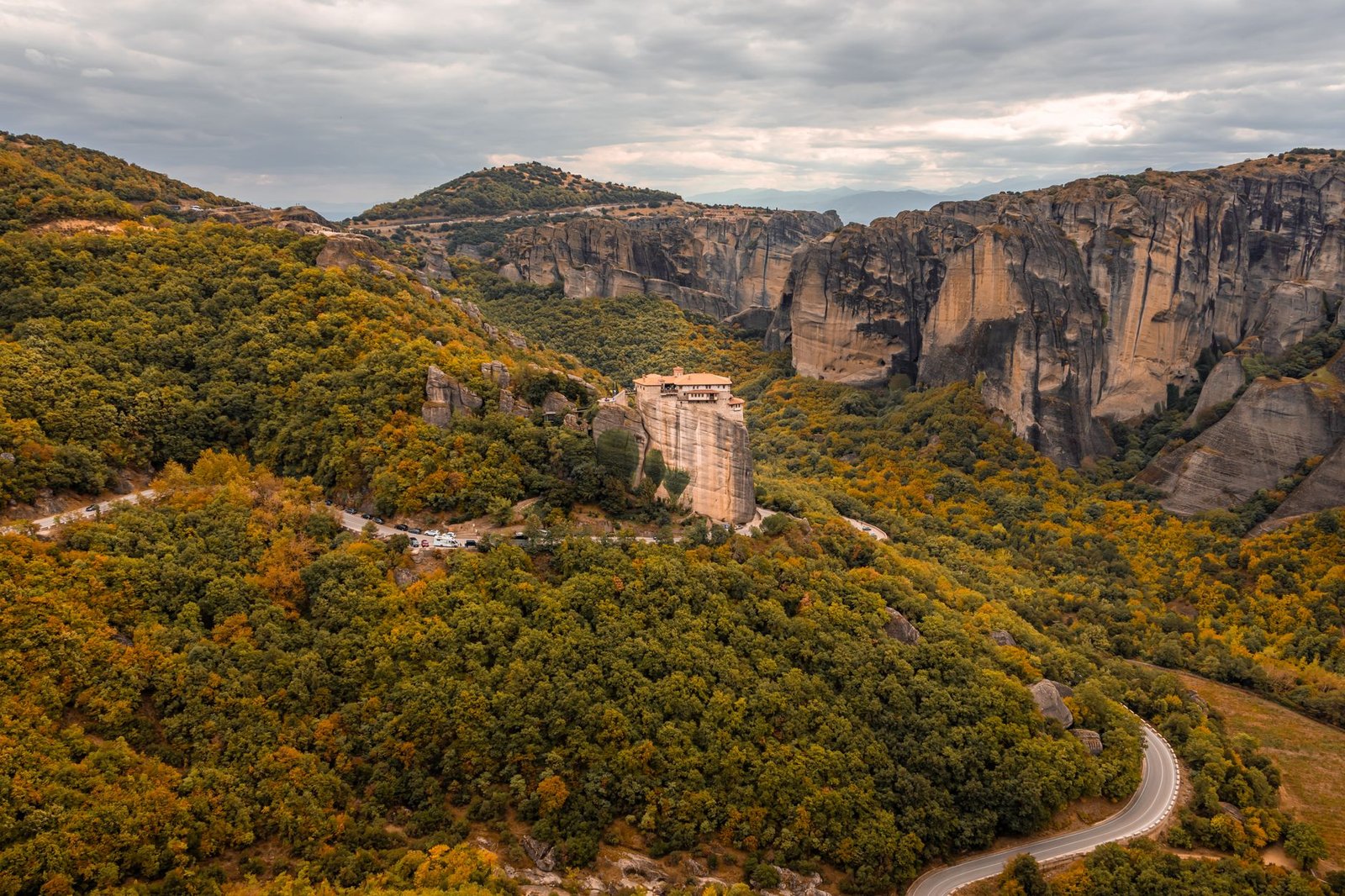
You know, as a mum, I’m always thinking two steps ahead – packing snacks, checking travel times, imagining what might delight or overwhelm the kids. But when I first heard about Meteora, my very first thought wasn’t about logistics at all. It was simply: “How?” How on earth did anyone, let alone monks centuries ago, manage to build these incredible monasteries atop sheer, impossible rock pillars? It truly boggles the mind! You see these photographs, and they look like something out of a fantasy novel, yet there they are, in central Greece, defying gravity and expectation.
Meteora is one of those places that feels almost sacred, not just because of its religious significance, but because of the sheer human will and ingenuity it represents. And while it might seem like a grand adventure, I promise you, a two-day trip is just enough time to truly fall in love with its unique magic without feeling rushed or exhausted. It’s perfect for families, or anyone really, who wants a dose of breathtaking scenery combined with a quiet sense of wonder. Come along, let’s plan it out!
Day 1 – Arriving Amongst the Giants
- Morning: Arrival and Gentle Settling In
After flying into either Thessaloniki or Athens, you’ll likely take a train or bus to Kalambaka, the charming town nestled right at the base of these magnificent rock formations. This is where you’ll stay, and it’s absolutely lovely. My biggest tip for arrival day, especially with little ones or after a long journey, is to take it easy. Check into your accommodation, unpack, and let everyone unwind. Maybe grab a relaxed lunch at one of the local tavernas in Kalambaka. The local Greek salads and souvlaki are always a hit, and there’s nothing quite like fresh feta! - Afternoon: A First Glimpse and a Taste of History
Once everyone’s had a chance to recharge, I recommend a gentle introduction to Meteora. Instead of diving straight into monastery visits, perhaps take a short taxi ride or a leisurely stroll to a viewpoint that offers panoramic vistas of the towering rocks and the monasteries perched on them. This way, you can truly absorb the incredible scale and beauty without the pressure of immediately exploring inside. If energy allows, and you’re keen to start, the Monastery of St. Stephen is often recommended for its easy access, with no steps to climb, making it wonderfully family-friendly. Remember to dress respectfully – shoulders and knees covered – for all monastery visits. It’s a sign of respect for these active places of worship. - Evening: Sunset Serenity and Greek Delights
One of the most unforgettable experiences in Meteora is watching the sunset paint the rocks in hues of orange and purple. Many local tour operators offer sunset excursions, which can be a fantastic, hassle-free way to find the best viewing spots. Otherwise, a pre-arranged taxi can take you to a prime location. Afterwards, head back to Kalambaka or the nearby village of Kastraki for a hearty Greek dinner. You’ll find plenty of family-run restaurants serving delicious, comforting food. It’s the perfect way to wind down after a day of travel and awe-inspiring sights.
Day 2 – Climbing Towards the Heavens
- Morning: Monastery Marvels
Today is all about exploring more of those incredible monasteries! Aim for an early start to beat the crowds and enjoy the cooler morning air, especially if you’re visiting between April and October. There are six active monasteries, and visiting two or three is a good, manageable goal for a family. Besides St. Stephen, the Monastery of Great Meteoron, being the largest and oldest, is a must-see for its history and incredible views, although it does involve quite a few steps. The Monastery of Varlaam is another excellent choice, known for its smaller size but equally stunning frescoes and panoramic outlooks. Remember to keep those cameras ready; every turn offers another postcard-perfect view. - Afternoon: Local Flavors and Nature’s Embrace
After your monastery visits, head back down to Kastraki or Kalambaka for lunch. You might want to try some local delicacies like homemade pasta or local cheeses. In the afternoon, depending on your family’s energy levels, you could consider a short, scenic walk around the base of the rock formations, enjoying the unique geological landscape. There are well-marked paths, perfect for a gentle stroll. Alternatively, if your kids are into something a bit different, the Natural History Museum of Meteora and Mushroom Museum in Kalambaka offers a surprisingly engaging and educational experience, showcasing the region’s flora, fauna, and fascinating mushroom varieties. It’s a nice change of pace from historical sites. - Evening: Farewell Views and Souvenirs
For your final evening, perhaps revisit a favorite viewpoint for one last look at the majestic rocks, or find a cozy spot in town for a relaxed dinner, savoring the delicious Greek cuisine. This is also a good time for a bit of souvenir shopping – you’ll find lovely handmade items, local honey, and traditional crafts that make perfect mementos of your extraordinary trip. It’s a wonderful opportunity to reflect on the incredible sights you’ve seen and the impossible beauty you’ve witnessed.
Getting There & Getting Around
To reach Meteora, the closest major airports are in Thessaloniki (SKG) and Athens (ATH). From either city, the most convenient way to reach Kalambaka is by train, which offers a wonderfully scenic journey through the Greek countryside. There are also bus services, which can be a good option too. I always recommend booking tickets in advance, especially during peak season, to avoid any last-minute stress.
Once you’re in Kalambaka, getting around Meteora is quite straightforward. For families, renting a car offers the most flexibility, allowing you to explore at your own pace and easily navigate between the monasteries (each has parking). This is my preferred choice when traveling with kids, as it allows for spontaneous stops and managing energy levels. Alternatively, local buses connect Kalambaka and Kastraki with the main monasteries, operating several times a day. Taxis are also readily available and can be hired for specific journeys or for a half-day tour, which can be great if you prefer not to drive. Many guided tours also operate from Kalambaka, providing transport and insightful commentary, which can be fantastic if you want to learn more about the history and significance of these amazing places without worrying about the logistics.
Summary
Meteora truly is an extraordinary destination, a place where nature’s grandeur meets incredible human endeavor. It’s a destination that sparks conversation and wonder, and with just two days, you can immerse yourselves in its unique atmosphere, marvel at the impossible monasteries, and create cherished family memories. The best time to visit, when the weather is most agreeable for exploring, is generally between April and October. While Greece is a very welcoming country, always practice general travel safety, just as you would anywhere else. The costs here are generally quite reasonable for a European destination, offering great value for accommodation and meals.
This isn’t just another travel spot; it’s an experience that stays with you, leaving you marveling at the sheer will and faith that built these incredible structures, reaching for the heavens. It’s truly a place that makes you think, and that, for me, is the best kind of travel.
Plan your trip with TourZen.in – real itineraries, trusted local experts, one simple conversation.
Image by: Vish Pix\nhttps://www.pexels.com/@vishpix