Is Berlin Too Complicated for a First-Time Visitor?
Many travelers approach Berlin with a degree of apprehension. It’s a sprawling capital, deeply marked by history, and known for its intense culture. Some worry it might be too complex to navigate or too niche for a general interest trip. This isn’t the case. While Berlin is certainly unique, it is also a well-organized city that welcomes first-time visitors who arrive prepared. With a clear understanding of what to expect, your trip can be both smooth and memorable.
Do I Need to Speak German to Get Around?
No, you do not need to be fluent in German. In fact, you can manage quite well with English alone in most tourist-centric areas. Hotel staff, museum guides, and restaurant workers in popular districts generally speak English to a good standard. This is typical for a major European capital.
However, relying solely on English everywhere is not advisable. When venturing into local neighborhoods or smaller, independent shops and eateries, you might encounter fewer English speakers. Learning a few basic German phrases – “Guten Tag” (Good day), “Danke” (Thank you), “Bitte” (Please/You’re welcome), “Entschuldigung” (Excuse me) – is always a sign of respect. It will also help you navigate minor interactions more smoothly. Do not expect everyone to cater to English speakers; be prepared to make a small effort.
Is Berlin Safe for Tourists?
Berlin is a safe city for tourists. It maintains a low crime rate compared to many other major global cities. You should exercise standard precautions, as you would in any large urban environment. Pickpocketing can occur in crowded areas, such as major tourist attractions, markets, and on public transport. Keep your valuables secure and out of easy reach.
Avoid walking alone late at night in poorly lit areas, especially around certain main train stations or parks, if you are unfamiliar with them. Always be aware of your surroundings. Emergency services are efficient and reliable. If you exercise common sense and stay alert, your visit should be trouble-free.
Will I Break the Bank Exploring Berlin?
Berlin offers a range of options for different budgets. It is generally considered more affordable than cities like London or Paris, though prices can vary. Accommodation spans from budget-friendly hostels to high-end hotels. Booking in advance, especially during peak season, is prudent to secure better rates.
Food is varied and can be inexpensive. Street food, particularly currywurst and döner kebabs, offers excellent value for a quick meal. Many local restaurants provide hearty, affordable German fare. While fine dining is available, it is not a requirement to eat well. Public transport is efficient and economical, especially if you purchase day or multi-day passes. Many significant historical sites offer free admission or charge a reasonable entry fee. The legendary nightlife can be pricey depending on the venue, but there are countless bars with more accessible prices. Careful planning of your expenses will help you manage your budget effectively.
What’s the Best Time to Visit Berlin?
For the most comfortable and enjoyable experience, the best time to visit Berlin is from May to September. During these months, the weather is generally pleasant, with warmer temperatures and longer daylight hours. This period is ideal for exploring Berlin’s numerous parks, outdoor historical sites, and engaging in al fresco dining or cultural events.
July and August are peak tourist months, which means larger crowds at popular attractions and potentially higher prices for accommodation and flights. If you prefer slightly fewer tourists and milder temperatures, May, early June, or September are excellent choices. Visiting outside this window, from October to April, means colder weather, shorter days, and more limited outdoor activities. If you plan to travel during the colder months, ensure you pack appropriate winter clothing.
Is Berlin Only About History?
While Berlin is undeniably saturated with profound Cold War history and WWII remnants, it is a significant misconception to view it as solely a historical destination. The city offers a dynamic blend of past and present. Iconic historical sites such as the Brandenburg Gate, the Reichstag Building, Checkpoint Charlie, and the remnants of the Berlin Wall provide crucial insights into its past. Museum Island houses a collection of world-class museums that delve into art, archaeology, and culture far beyond recent history.
However, Berlin is also a powerhouse of contemporary culture. It boasts a thriving, cutting-edge art scene, with countless galleries, independent studios, and some of the most vibrant street art in Europe. The city’s legendary nightlife is globally renowned, offering everything from underground techno clubs to sophisticated cocktail bars and live music venues. Berlin seamlessly weaves its dramatic past with a fiercely modern, creative, and forward-looking identity. Plan your itinerary to experience this full spectrum; focusing only on history would be missing a large part of what makes Berlin unique.
How Do I Navigate Berlin’s Public Transport?
Berlin’s public transport system, operated by BVG, is one of the most comprehensive and efficient in Europe. It consists of the U-Bahn (underground train), S-Bahn (suburban train), trams, and buses, covering the entire city and surrounding areas. This network is designed for ease of use, making it straightforward for visitors to get around without a car.
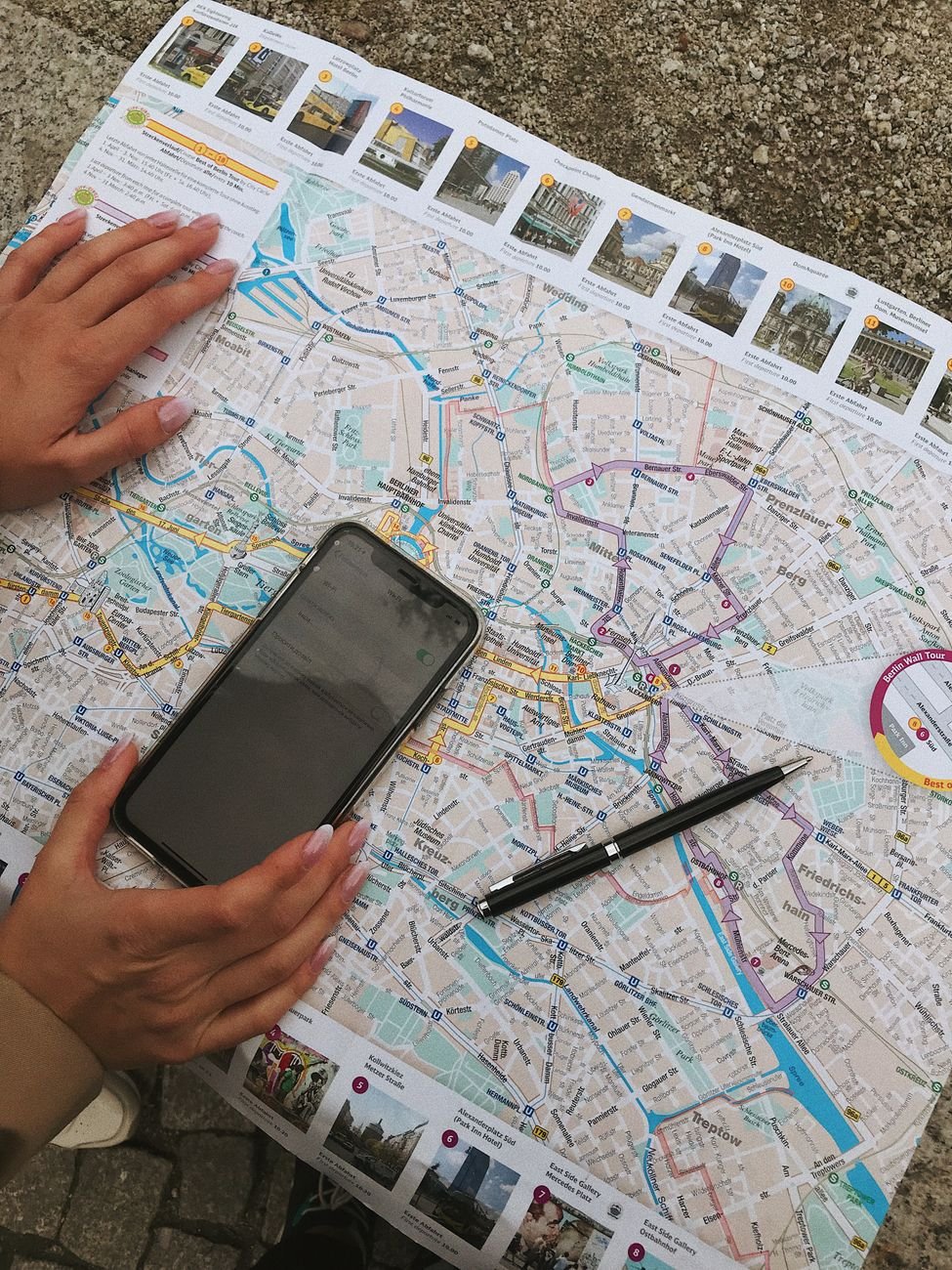
You can purchase tickets from automated machines at U-Bahn and S-Bahn stations, inside trams, or using the BVG app on your smartphone. It is crucial to validate your ticket *before* boarding your first mode of transport. Validation machines are typically found on platforms or inside buses/trams. Failure to validate can result in a hefty fine during ticket checks, which are frequent. For tourists, day tickets, 24-hour passes, or multi-day passes are often the most cost-effective options. Understand the zone system (A, B, C) to ensure your ticket covers your intended travel. Using a navigation app like Google Maps or the official BVG Fahrinfo app will provide real-time journey planning and make getting around simple.
Summary: The Honest Bottom Line
Berlin is a destination that truly delivers for the prepared traveler. It offers an unparalleled historical journey, seamlessly combined with a vibrant contemporary art scene and a celebrated nightlife. Despite its size, the city is remarkably accessible and manageable, particularly with its excellent public transport system. Your first visit does not need to be complicated. By understanding basic logistics, maintaining situational awareness, and planning your budget, you will find Berlin to be an enriching and rewarding experience. It is a city that respects its past while always looking forward.
Plan your trip to this destination with TourZen.in – real itineraries, trusted local experts, one simple conversation.
Image by: Kateryna Naidenko\nhttps://www.pexels.com/@katianaidenko