Off the Map: A First Look at Bucovina Monasteries
There are some sights that beckon from afar, drawing the eye with a quiet, undeniable magnetism. In the emerald embrace of Romania’s Bucovina region, it is the monasteries that first catch your gaze, their painted walls shimmering like ancient storybooks under the generous European sky. Long before you even pass through their gates, the frescoes, vibrant and teeming with life, begin to unfurl their narratives across the venerable stone, a silent, powerful invitation.
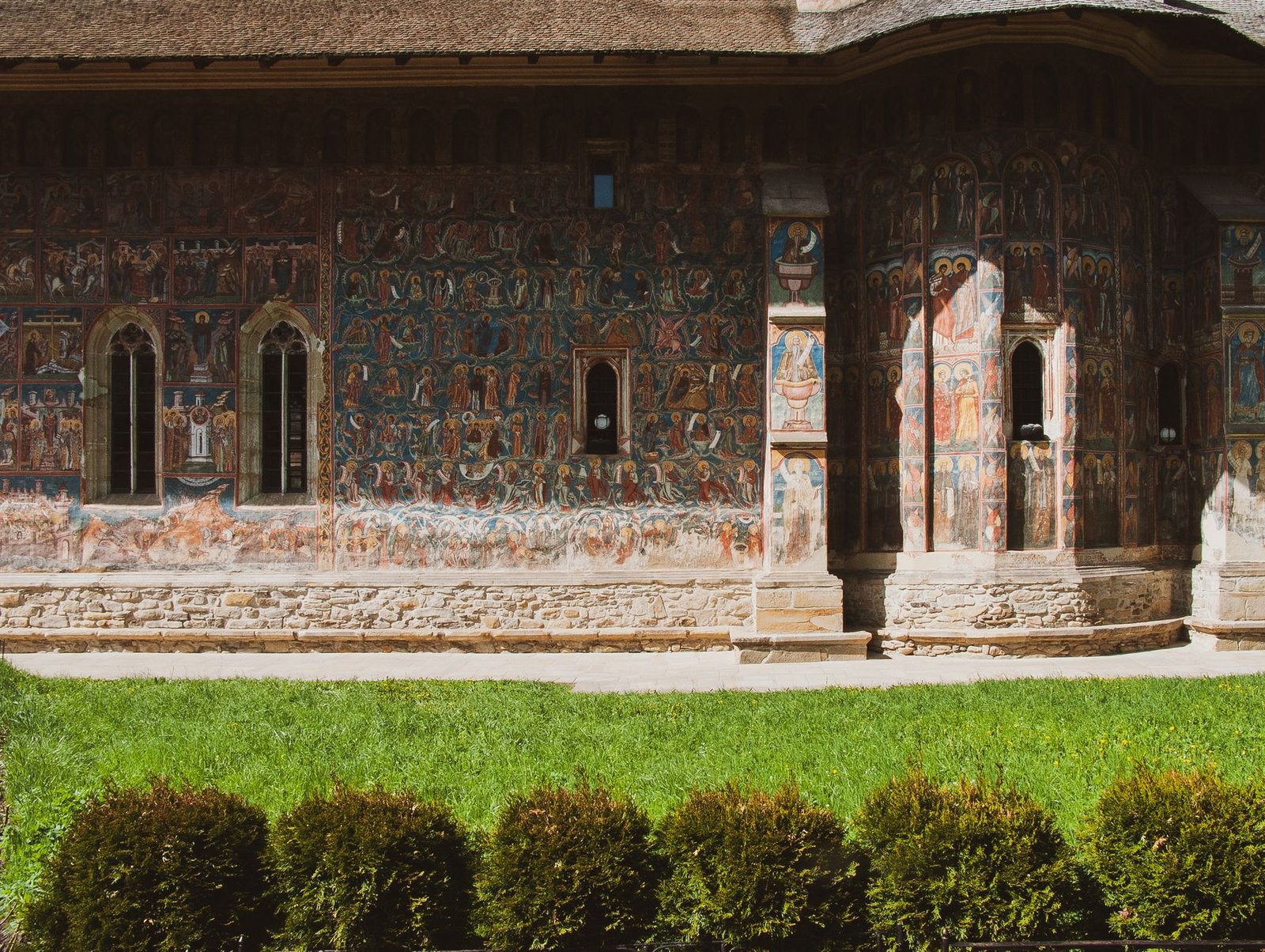
I remember the first time the Monastery of Voroneț, often called the ‘Sistine Chapel of the East,’ emerged from behind a stand of oaks. It wasn’t merely a building; it was a canvas of epic proportions, its famous ‘Last Judgement’ fresco on the western wall a breathtaking sweep of cerulean blues, golds, and earthy reds. Even from a distance, the scale of human figures, angels, and demons was arresting, a testament to faith and artistry that has weathered centuries of sun, snow, and rain.
Bucovina, a name that whispers of ancient beech forests, feels like a land where time has slowed, where traditions hold fast. It is here, nestled in valleys and perched on gentle rises, that a cluster of these painted monasteries stands—each a UNESCO World Heritage site, each a unique chapter in a sprawling, illuminated manuscript. These aren’t just places of worship; they are open-air art galleries, visual encyclopedias, and poignant historical documents all at once.
What sets these monasteries apart, what makes them truly extraordinary, is this audacious act of painting not just the interiors, but the *entire exteriors* with elaborate, vivid frescoes. Imagine the audacity, the vision, to adorn every wall—north, south, east, and west—with intricate scenes from biblical lore, lives of saints, and moral allegories. These weren’t mere decorations; they were the “bibles for the illiterate,” teaching and inspiring generations of villagers who might never have read a word.
Walking through the courtyards, beneath these silent, painted sermons, is like stepping into a living fresco yourself. At Humor Monastery, the soft pinks and ochres tell tales of the siege of Constantinople, while at Moldovița, the ‘Tree of Jesse’ and the ‘Prayer of the Akathist Hymn’ unfold in majestic greens and blues. Each brushstroke, though centuries old, still speaks with an immediacy that transcends language and time, telling stories of sin and salvation, valor and virtue.
It’s more than just the artistry, though that is captivating enough. It’s the whisper of the past that clings to these walls, the sense of resilience and deep-rooted faith that has kept these vibrant narratives alive. These monasteries were often built as defenses against Ottoman incursions, embodying both spiritual and physical fortitude. They stand as monuments to a time when art, religion, and national identity were inextricably intertwined, when the church was truly the heart of the community.
Beyond the monastic walls, Bucovina itself is a land of quiet beauty and hospitality. Life here moves at a gentler pace. You’ll find horse-drawn carts sharing country roads with modern cars, women in traditional headscarves tending to their gardens, and the aroma of woodsmoke mingling with fresh mountain air. The local crafts—intricately painted eggs, hand-woven textiles, and pottery—carry the same spirit of detailed, traditional artistry as the frescoes themselves.
Practical Basics for Your Journey
To truly savour the painted monasteries, a journey during the warmer months, roughly from May to October, is ideal. The colours of the frescoes are at their most brilliant under the clear summer and autumn skies, and the surrounding countryside is lush and inviting. The days are long, allowing ample time to explore several sites at a leisurely pace, and the roads are easily navigable.
Reaching Bucovina usually involves flying into a major Romanian city like Bucharest or Iași, then taking a domestic flight or a train to Suceava, the region’s main hub. From there, hiring a car is often the most convenient way to explore the monasteries, allowing you the freedom to linger. Alternatively, organised tours from Suceava or other larger towns can also be arranged, which often include knowledgeable local guides who can bring the frescoes and their history to life.
While exploring, remember that these are active religious sites. Dress modestly, covering shoulders and knees, and maintain a respectful demeanour. Accommodation ranges from charming guesthouses in the smaller villages to hotels in Suceava, offering a chance to sample the hearty, flavourful local cuisine, often featuring sour soups (ciorbă), delicious polenta (mămăligă), and rich stews. Visitors to Romania will find it a generally welcoming and safe country, but as with any travel, sensible precautions for personal belongings are always advisable.
A Testament to Enduring Spirit
The painted monasteries of Bucovina are not merely architectural wonders or artistic marvels; they are a profound journey into the heart of Romanian culture and history. They are a testament to an enduring spirit, a vibrant legacy etched in stone and pigment. To witness them is to feel a deep connection to stories told through art, passed down across generations, still speaking volumes to us today.
It is a journey for the soul, for those who seek not just sights, but echoes of a profound past. Bucovina offers a rare opportunity to step back into a world where faith and artistry converged, creating something truly timeless, truly unforgettable.
Dreaming of India, or the world beyond it? TourZen.in plans it all with real itineraries. Message us on +91 70257 57330.
Image by: Cosmin Gavris\nhttps://www.pexels.com/@cosmin-gavris-2437254