Dhanushkodi: Is India’s Ghost Town Actually Worth the Trip?
I’d read the articles, seen the photos. Dhanushkodi, they said, was a ghost town, an abandoned whisper at the very edge of India. My expectations, honestly, weren’t exactly sky-high. Another ‘spiritual’ spot, another ruined church, another beach. But standing there, at the southeastern tip of Pamban Island, staring at what was once a bustling railway station now reclaimed by sand and sea, it hit different. This wasn’t just a collection of crumbling walls; it felt like a living, breathing silence, a place where history hadn’t just paused, but had been violently ripped away and then slowly, stubbornly, re-absorbed by nature. The real story, I quickly realised, wasn’t in the tragic destruction, but in the profound, eerie beauty of its aftermath.
So, what exactly *is* Dhanushkodi, beyond the ‘ghost town’ label?
Before 1964, Dhanushkodi wasn’t just a place; it was a vibrant port town, a crucial ferry point connecting India to Sri Lanka, bustling with trains, shops, and life. Think bustling markets, a railway terminus, hotels, and a thriving fishing community. It was a proper hub, a strategic point both commercially and spiritually, believed by many to be the starting point of the mythical Ram Setu bridge to Lanka from the ancient epic, Ramayana.
Then, on a fateful night in December, a massive cyclone slammed into it. The sea swallowed everything – the railway tracks, the station, houses, a church, a temple. The storm was so powerful it submerged a passenger train, killing hundreds. Overnight, it became a ‘ghost town,’ declared unfit for human habitation. What’s left today are skeletal remains: the roofless shells of buildings, a solitary water tank, and the eerie, enduring spirit of a place that refused to be completely erased. It’s less a town and more a memory, etched into the landscape, a testament to nature’s formidable power.
Is it difficult to get there, or is that just travel-blog hype?
My internet searches, typically, painted a picture of a rough, arduous journey – four-wheel drives, treacherous sands, a real expedition. And sure, it used to be. For years, reaching the true ‘land’s end’ of Dhanushkodi meant hiring a jeep and navigating an unforgiving stretch of soft sand, making for a truly bumpy, dusty, adventurous ride.
But like many things in India, progress marches on, even to the edge of the world. The last few kilometres are still unpaved, a sandy track, but the road leading up to it has vastly improved. You can now drive a good chunk of the way in a regular car, and then, depending on how adventurous you feel or how far you want to go right to the very tip, you might still hop into a local jeep for the final stretch. It’s less an epic struggle now, and more of a scenic drive punctuated by a bit of off-roading. Definitely check the local road conditions before you go, especially after heavy rains – the sea here is a restless neighbour and the sand can shift quickly.
What’s there to *do* in a ghost town, besides looking at ruins?
That’s the million-dollar question, isn’t it? If you’re expecting theme parks or bustling markets, you’re in the wrong place. What you do here is soak it in. You wander amongst the ruins – the remains of the old church, the post office, the railway station, the small temple structures – and try to imagine the lives that once thrived within those now-empty frames. The wind whispers through the gaps, carrying stories you almost feel you can hear, of a vibrant past lost to a single, devastating night.
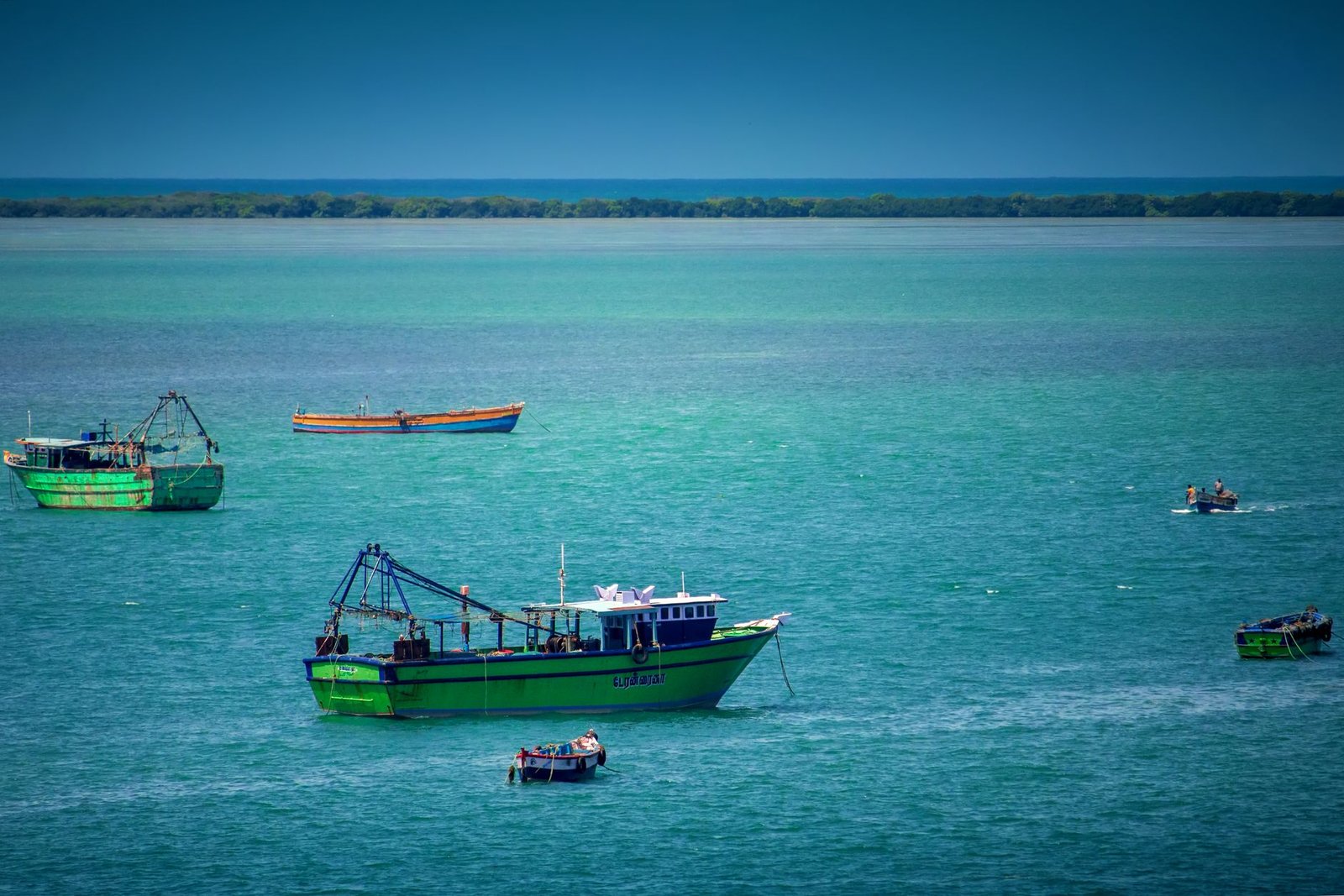
Then, there’s the truly unique geographical phenomenon: a few kilometres ahead, at Arichal Munai, is where the Bay of Bengal meets the Indian Ocean (or the Gulf of Mannar, depending on who you ask). The colours of the water are distinctly different – one side a deep, turbulent blue, the other a calmer, lighter turquoise. Standing there, with two vast bodies of water converging at the very tip of the land, feels incredibly profound. It’s a moment of quiet contemplation, a fantastic spot for photography, and for letting the sheer scale of natural power humble you. Don’t expect activities; expect an experience, a visceral connection to history and nature.
Is it safe, and what else should I know for a practical visit?
Safety is a relative term, especially when you’re talking about a place where the sea can be so unpredictable. During the day, it’s generally safe, with a steady trickle of visitors and local vendors. However, it’s definitely not a place to be after dark, and local authorities often restrict entry beyond a certain point as evening approaches. The roads can be unlit and the terrain tricky, so always heed any local warnings or curfews.
There are no proper amenities right at the ruins – think small, temporary roadside shacks selling snacks, tender coconuts, and bottled water, and that’s about it. So carry what you need, including sun protection and any essential medicines. As for the best time to visit, hands down, it’s between October and March. The weather is relatively pleasant, not as scorching as the summer, and the seas are calmer. Monsoon season (June-September) should probably be avoided; the roads can get tricky, and the raw beauty of the place might be overshadowed by difficult conditions. Always check local advisories before heading out, especially regarding tides and road access, as these can change quickly.
Is Dhanushkodi just a quick day trip, or is there a way to make it more than that?
For most visitors, Dhanushkodi is a day trip. You typically come from Rameswaram, explore the ruins, witness the confluence of the two seas, and head back before sunset. There are no hotels or guesthouses right in Dhanushkodi itself; it is, after all, still officially an ‘abandoned’ town, and you wouldn’t want to be there overnight anyway. But that doesn’t mean your experience has to be rushed or limited to just a few hours.
Rameswaram, just a short drive away on Pamban Island, is a major pilgrimage town and offers a full range of accommodation, from budget stays to comfortable hotels. It’s a fantastic base to explore not just Dhanushkodi, but also the magnificent Ramanathaswamy Temple – one of the twelve Jyotirlinga shrines dedicated to Shiva – and other significant spiritual and natural sites on Pamban Island. Staying in Rameswaram allows you to visit Dhanushkodi at a more leisurely pace, perhaps catching a sunrise or sunset (if permitted and safe to do so from the accessible areas), and also gives you a chance to soak in the deep spiritual and cultural richness of the entire region. It turns a quick peek into a deeper, more satisfying dive into this unique corner of India.
The Verdict: More Than Just a Ghost Story
I arrived in Dhanushkodi half-expecting a melancholic footnote in history, perhaps a slightly overrated ruin that had gained an undue reputation from stark photographs. What I found instead was a landscape of stark, profound beauty, a place that resonated with a quiet intensity I hadn’t anticipated. It’s a place that forces you to confront the immense power of nature, the impermanence of human endeavour, and yet, paradoxically, the enduring spirit of a land. It’s not for everyone – if you crave bustling markets, curated museums, or traditional tourist traps, then by all means, skip it. But if you’re looking for a genuinely unique experience, a place that whispers stories of a bygone era and offers a rare communion with raw, untamed nature, then Dhanushkodi might just surprise you, just like it did me. Go before it becomes just another item on everyone’s travel list, and experience its silent power for yourself.
Dreaming of India, or the world beyond it? TourZen.in plans it all with real itineraries. Message us on +91 70257 57330.
Image by: praveen kumar\nhttps://www.pexels.com/@praveen-kumar-500632996