Does Kotor Hold the Key to Europe’s Unhurried Past?
There are some places that call to you with a quiet persistence, a whisper of ancient stone and sea air that promises something deeper than a postcard view. Kotor, tucked away in a dramatic, fjord-like fold of the Adriatic coast in Montenegro, is precisely one such destination. It’s a town that invites you to slow down, to listen to the echoes of centuries, and to discover a rhythm long lost in many of Europe’s more trodden paths. For those of us who yearn for history palpable enough to touch, and culture that feels lived-in rather than presented, Kotor offers a truly rare and rewarding experience.
What makes Kotor so special, truly?
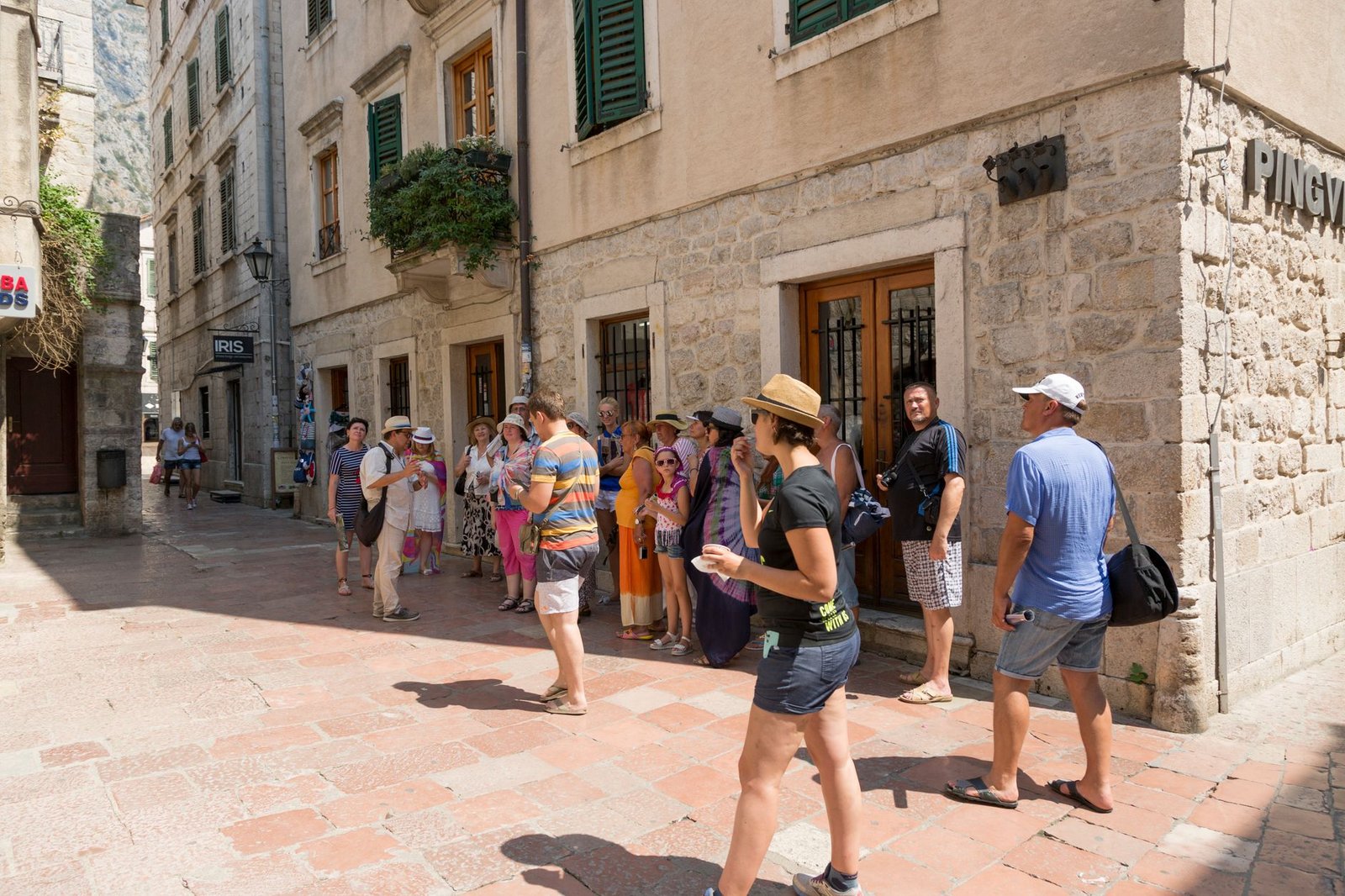
What sets Kotor apart is its remarkable ability to hold time in its embrace. Stepping through the Sea Gate into the Old Town, you don’t just enter a historical site; you step into a living, breathing tapestry woven from Venetian grandeur, Austro-Hungarian precision, and Slavic spirit. The fortified walls, rising dramatically up Mount St. John, aren’t just ruins; they’re the guardians of countless stories, still sheltering generations of Kotorans. The absence of overwhelming crowds, especially outside the peak summer weeks, means you can truly absorb the atmosphere. You’ll find yourself lingering in a piazza, the scent of fresh pastries mingling with the salt air, without feeling rushed along by a throng of fellow travelers. There’s a graciousness here, a quiet dignity to the ancient stones that invites genuine connection rather than fleeting observation.
The Bay itself, often mistaken for a fjord, adds another layer to Kotor’s allure. It’s a landscape of breathtaking beauty, where mountains plunge directly into sapphire waters, dotted with tiny islands and sleepy villages. This geographical embrace has historically protected Kotor, fostering a unique maritime culture and a strong sense of identity. It’s a place where you can wander narrow, winding streets for hours, discovering hidden churches, sun-drenched courtyards, and unexpected vistas without ever feeling like you’re on a predetermined tourist trail.
What stories does Kotor’s old town whisper?
Kotor’s Old Town is a labyrinth of history, each stone seeming to hum with tales from its past. The most prominent is its Venetian legacy; for nearly four centuries, from the 15th to the 18th, Kotor thrived under the Republic of Venice. You see it everywhere: in the Lion of St. Mark gracing various gates and buildings, in the elegant palazzi with their distinctive architecture, and even in the city’s meticulous grid-like planning within its defensive walls. The Cathedral of Saint Tryphon, a Romanesque masterpiece dating back to the 12th century, stands as a testament to Kotor’s enduring faith and artistic prowess. Legend holds that the relics of Saint Tryphon, the city’s patron saint, were brought here after a shipwreck, leading to the construction of this grand basilica.
Beyond the grand narratives, the old town is rich with smaller, more intimate stories. Look closely at the door knockers, the weathered frescoes in tiny chapels, or the intricate ironwork on balconies. The numerous squares, each with its own character – the Square of the Arms, Flour Square, Cathedral Square – once served as bustling hubs for commerce, gossip, and local festivals. Even the cats, ubiquitous residents of Kotor, have a story of their own; they’re said to be descendants of felines brought by trading ships centuries ago, honored protectors against rodents, and now, beloved symbols of the town. These everyday details, imbued with history and local charm, are what make wandering through Kotor truly enchanting.
Beyond the ancient walls, what beckons in the Bay of Kotor?
While Kotor’s Old Town is undoubtedly captivating, the wider Bay of Kotor (Boka Kotorska to locals) is a treasure trove of cultural and natural wonders. A short journey by car or boat reveals a string of picturesque villages, each with its own distinct personality. Perast, a mere whisper of a town just north of Kotor, feels suspended in time. Its Baroque palaces, many now crumbling beautifully, speak of a wealthy maritime past when Perast’s sailors were renowned throughout Europe. From Perast, two tiny islands beckon: Sveti Đorđe, a natural island crowned by a Benedictine monastery, and Gospa od Škrpjela (Our Lady of the Rocks), an artificial island created over centuries by local fishermen dropping stones around a submerged rock, building a church to honor a miraculous discovery.
Taking a boat out onto the bay itself is an experience not to be missed. The sheer scale of the mountains rising from the water, often shrouded in a soft mist in the mornings, is simply breathtaking. You can trace the route of ancient mariners, imagine trading ships laden with goods, and feel the deep connection between the land and the sea that has shaped this region for millennia. Whether you choose to explore by leisurely cruise, a short ferry, or even a paddleboard, the bay offers an entirely different perspective on Montenegro’s coastal beauty and its enduring heritage.
What is the best way to experience Kotor, away from the usual path?
To truly embrace Kotor’s unhurried spirit, I suggest a few delightful diversions. Foremost, rise with the sun, or at least before the main bustle begins. The Old Town at dawn, with the light just beginning to kiss the ancient stones and the only sounds being the faint chatter of local shopkeepers preparing for the day, is pure magic. This is the ideal time to ascend the fortifications to the Church of Our Lady of Remedy and beyond to St. John’s Fortress. The climb, though challenging, offers unparalleled panoramic views of the bay and the red-tiled roofs of the Old Town. Doing it early spares you from the heat and the crowds, allowing for a more meditative experience.
Another wonderful way to experience Kotor is to seek out its culinary traditions. While there are many restaurants, look for smaller, family-run konobas (taverns) tucked away in quieter corners. Here you might sample hearty local dishes like `riba na gradele` (grilled fish), `crni rižot` (black risotto made with squid ink), or the local cheeses and smoked ham. Engage with the locals, learn a few Montenegrin phrases, and allow yourself to be led by curiosity. Don’t rush from one famous landmark to the next; instead, dedicate time to simply getting lost, allowing serendipity to guide your steps through the narrow alleyways and sun-dappled squares.
Any practical notes for a peaceful visit?
Kotor truly shines between April and October, when the weather is warm and inviting. The shoulder seasons (April-May and September-October) are particularly pleasant, offering comfortable temperatures for exploring and fewer visitors than the peak summer months of July and August. While generally safe, as in any travel destination, it’s always wise to be aware of your surroundings, especially in crowded areas. When climbing the city walls, wear sturdy shoes and carry water; the ascent can be steep, but the rewards are immense.
The Old Town itself is largely pedestrianized, meaning comfortable walking shoes are a must for navigating its cobbled streets. Montenegro uses the Euro, and while cards are accepted in many places, having some cash on hand for smaller purchases or local markets is always a good idea. Embrace the slower pace, savor the moments, and let Kotor reveal its centuries of charm to you at its own gentle rhythm.
Kotor: A Journey for the Soul
Kotor is more than just a beautiful town on a stunning bay; it’s an invitation to reconnect with history, to marvel at nature’s grandeur, and to experience a slice of Europe that still values its traditions and its unhurried pace. For the traveler who seeks depth, who listens for the stories etched in stone and woven into folklore, and who appreciates the quiet beauty of a place allowed to simply be, Kotor is a destination that promises to linger in the heart long after the journey ends.
Plan your trip with TourZen.in – real itineraries, trusted local experts, one simple conversation.
Image by: Valentin Ivantsov\nhttps://www.pexels.com/@valentin-ivantsov-2154772556