First-Time Guide to Sedona: What to Know Before You Go
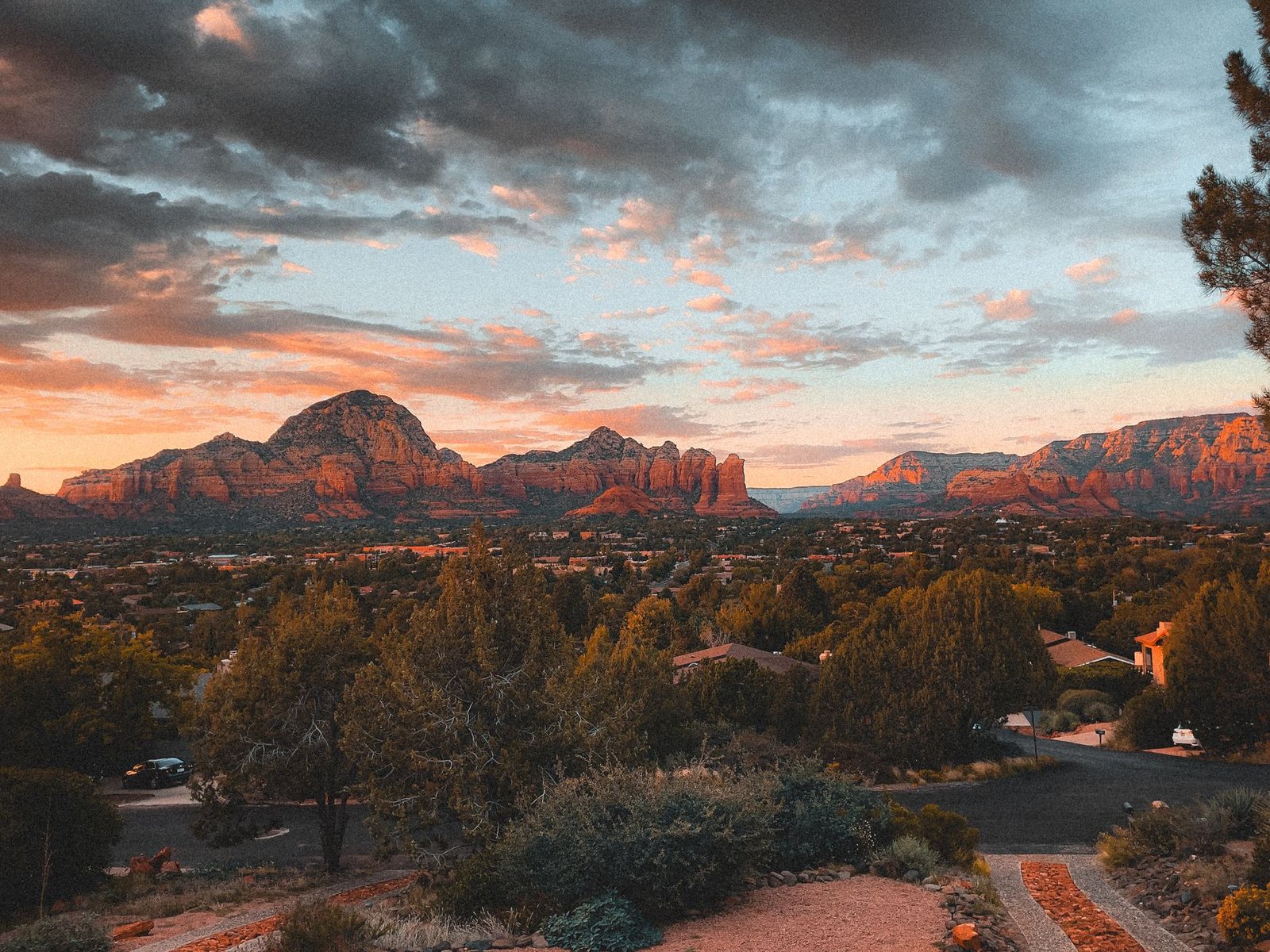
Sedona is often spoken of with a certain reverence, and for good reason. The red-rock buttes are indeed spectacular. However, a trip to this part of Arizona requires more than just admiring the scenery. To truly experience Sedona without incident or unnecessary expense, you need a plan. This guide lays out the practical considerations for your first visit.
Timing Your Visit to Sedona
Optimal timing is critical for a Sedona trip. The best window for a comfortable visit is during the spring (March to May) or fall (September to November). During these months, the temperatures are moderate, making outdoor activities, especially hiking, much more pleasant.
Attempting to visit during the summer, particularly July and August, means contending with extreme desert heat. This significantly limits your ability to enjoy the trails during the day. Winter can bring colder temperatures, and while snow is rare, it can occur, affecting road conditions and trail access. Furthermore, holidays and peak seasons will see higher accommodation prices and more crowded trails. Stick to spring or fall for the best balance of weather and manageability.
Getting Around and Staying Prepared
Sedona is spread out, and relying solely on ride-shares or walking is not practical. You will need a car. Renting a vehicle is essential for accessing trailheads and exploring the wider area efficiently.
Parking can be challenging, especially at popular trailheads. Arrive early in the morning to secure a spot, or be prepared to wait. Many trailheads require a Red Rock Pass for parking; purchase one in advance or at designated kiosks to avoid fines. Do not assume you can park wherever you like.
The desert environment demands specific precautions. Carry ample water – more than you think you will need – especially if you plan to hike. Sun protection is non-negotiable: hats, sunglasses, and high-SPF sunscreen are vital. Wear sturdy, closed-toe hiking shoes, even for shorter walks, as the terrain can be uneven and rocky. Cell service can be spotty in certain areas, so download offline maps and inform someone of your itinerary.
Navigating the Red Rocks: Hiking Safely
Sedona’s primary draw is its extensive network of hiking trails winding through and around the iconic red-rock formations. While visually stunning, these trails require respect and preparation. Many are exposed, offering little shade. Dehydration is a real risk if not managed.
Always stay on marked trails. Cutting switchbacks or creating your own path damages the fragile desert ecosystem and can lead to dangerous situations, including getting lost. Pay attention to trail markers and carry a physical map or a reliable GPS app. Do not overstate your hiking abilities. Start with shorter, well-trafficked trails to gauge your fitness before attempting more strenuous routes. Inform someone of your hiking plans and estimated return time.
Beyond the Trails: The Desert Wellness Scene
While the hiking is world-class, Sedona offers more than just physical exertion. There’s a notable, laid-back desert wellness scene that provides a different kind of experience. This isn’t about expensive, exclusive retreats unless you seek them out.
Consider dedicating time to quieter pursuits. Many visitors find solace in the area’s peaceful spots, whether it’s simply sitting by Oak Creek, finding a quiet overlook for sunset, or participating in a community yoga class. This aspect of Sedona can be explored without significant cost. The emphasis is on slowing down and appreciating the environment in a more reflective way. It provides a valuable counterpoint to the more active side of the destination, ensuring a well-rounded trip and offering a chance to truly unwind and absorb the tranquil atmosphere.
Budgeting Your Trip to Sedona
Sedona can accommodate various budgets, but costs can quickly escalate without proper planning. Accommodation will likely be your largest expense. Booking in advance, especially during the shoulder seasons, can secure better rates. Consider lodging slightly outside the main Sedona Village for potentially lower prices.
For food, factor in restaurant meals. To save money, consider packing your own snacks and picnic lunches for hikes. Groceries are available in town. Many of Sedona’s most breathtaking attractions – the hiking trails themselves – are free, aside from the necessary parking pass. Look for free local events or simply enjoy the public spaces. Being strategic with your spending allows you to allocate resources to activities that truly enhance your experience, rather than being caught off guard by unexpected costs.
Summary
A trip to Sedona is a memorable experience if approached with practical planning and awareness. By timing your visit carefully, understanding the logistics of getting around, and preparing for the desert environment, you ensure a safe and enjoyable journey. Embrace both the invigorating hiking opportunities and the serene wellness aspects to gain a comprehensive understanding of what makes Sedona unique. A well-planned trip is a successful trip, allowing you to focus on the experience rather than unforeseen challenges.
Plan your trip to this destination with TourZen.in – real itineraries, trusted local experts, one simple conversation.
Image by: Allen Boguslavsky\nhttps://www.pexels.com/@allen-boguslavsky-1344061