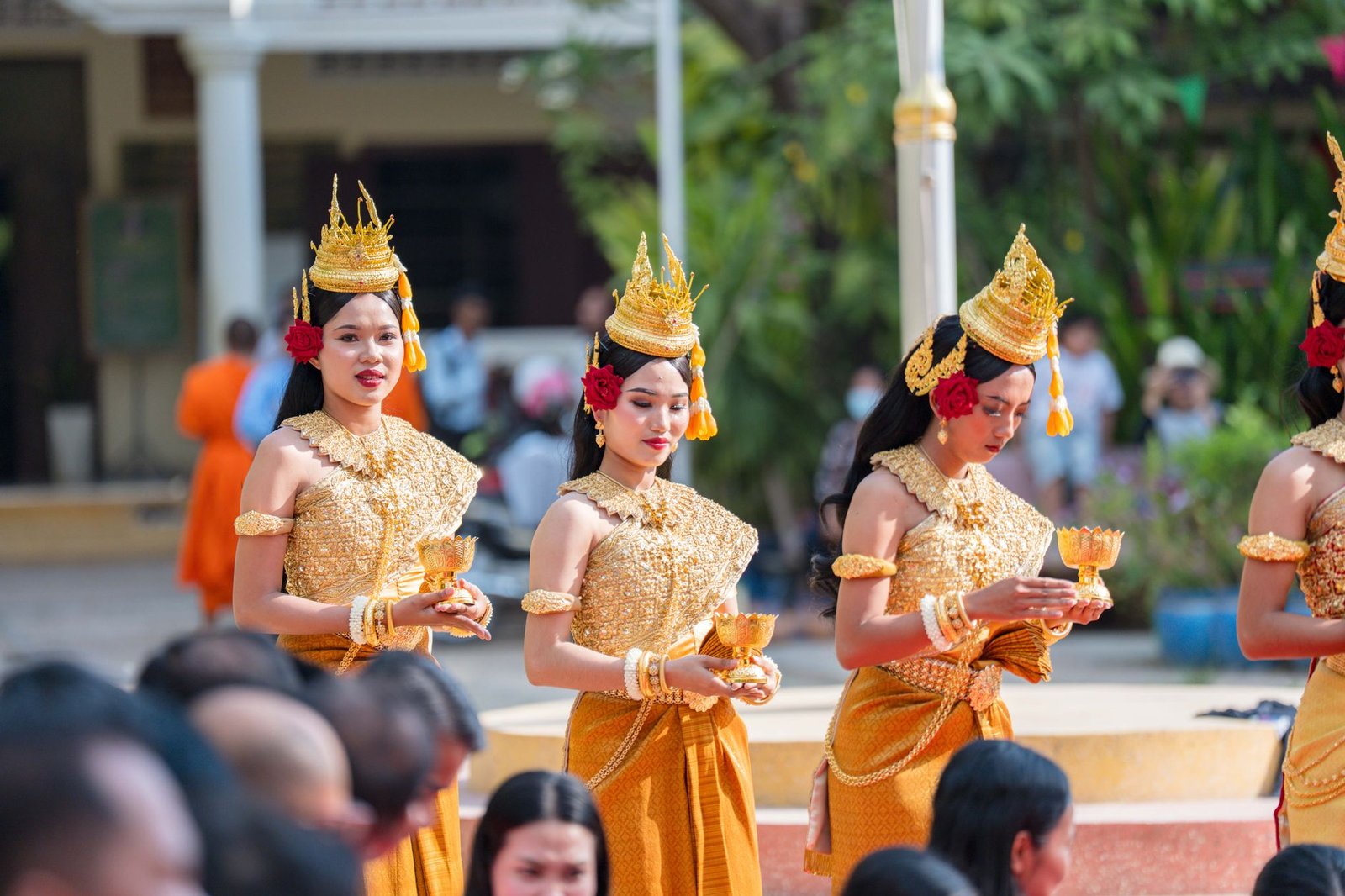
Is Battambang Worth the Trip? A First Look for the Prepared Traveler
If your Cambodia plans currently only involve Angkor Wat, you’re missing out on a different kind of experience. Battambang, Cambodia’s second-largest city, offers a genuine look at local life, French colonial charm, and unique cultural attractions. It’s not a place you rush through; it’s a destination for those who appreciate slowing down and observing. Most importantly, it’s home to an unforgettable ride that you won’t find anywhere else: the bamboo train.
Forget your usual tourist traps. Battambang presents a travel opportunity that’s both memorable and distinctly Cambodian, especially if you prioritize authentic experiences over crowded sites. This isn’t about luxury; it’s about engagement and seeing how things truly operate on the ground.
What Exactly Is the Bamboo Train, and Why Should I Ride It?
The “Norry,” or bamboo train, is Battambang’s signature experience, and it’s something you need to understand before you arrive. It’s essentially a small, motorized platform made of bamboo slats, designed to run on disused railway tracks. This isn’t a high-speed attraction. It’s a low-tech, open-air journey through the countryside, offering views of rice paddies, local villages, and the rural landscape.
Why ride it? It’s a truly unique piece of local ingenuity. These were originally practical, informal transport systems for locals to move goods and people. Now, they serve primarily as a tourist draw, and for good reason. The thrill comes from the simplicity, the exposure to the elements, and the charmingly crude system where trains travelling in opposite directions literally dismantle and reassemble to pass each other. It’s an effective way to see a slice of rural Cambodian life that feels less staged than other attractions.
Understand that this is not a modern, polished ride. It’s rustic, dusty, and part of its charm lies in its improvised nature. It’s a short journey, typically around 20-30 minutes each way, and it leaves a lasting impression because of its sheer unconventionality. Don’t expect comfort; expect an experience. It’s a key reason to plan a stop in Battambang.
How Do I Get to Battambang and What’s the Best Way to Travel Around?
Getting to Battambang requires practical planning. The most common entry points are from Phnom Penh or Siem Reap. Buses are the most economical option, with several companies offering daily services. The journey from Phnom Penh can take 6-8 hours, and from Siem Reap, it’s typically 3-4 hours. Always book your tickets in advance, especially during peak travel periods, and confirm departure times and locations.
Alternatively, shared taxis offer a quicker but more expensive option. If you choose this, negotiate the fare firmly before you start the journey to avoid misunderstandings. For solo travelers, a shared taxi might not save you much time compared to a direct bus, and it can be less comfortable if the car is overcrowded.
Once in Battambang, the city center is walkable, but to reach most attractions outside the immediate downtown, you’ll rely on tuk-tuks. Agree on a price before getting in. Many tuk-tuk drivers also offer day tours to sights like the bamboo train, Phnom Sampeau, and local villages. Hiring a driver for a half or full day can be an efficient way to cover ground, but always settle on the itinerary and price beforehand to prevent any disputes later.
When Is the Optimal Time to Visit Battambang?
For comfortable travel in Battambang, target the dry season. This runs from November to February. During these months, you can expect clear skies, lower humidity, and more moderate temperatures compared to the oppressive heat of April or the heavy rains of the monsoon season.
Visiting from November to February makes exploring the city on foot or by tuk-tuk much more pleasant. The air is generally clearer, and you won’t have to contend with muddy roads or sudden downpours disrupting your plans. While it’s the peak tourist season, Battambang rarely feels as crowded as Siem Reap, so you can still enjoy a relatively peaceful visit. If your schedule doesn’t allow for this window, be prepared for hotter weather outside of it, and pack accordingly with light clothing, a hat, and plenty of hydration.
What Else Can I See and Do in Battambang?
Beyond the bamboo train, Battambang offers a range of cultural and historical points of interest. Don’t overlook the city’s French colonial architecture, particularly along the riverside. A morning stroll through the central market, Phsar Nat, provides insight into local commerce and everyday life.
A significant attraction is the Phare Ponleu Selpak circus school. This is not just entertainment; it’s a social enterprise providing arts education and vocational training to disadvantaged youth. Catching a performance supports a valuable community program and offers high-quality contemporary circus acts. Check their schedule in advance, as shows are not nightly. This is a genuinely uplifting experience, showcasing Cambodian talent and resilience.
For those interested in history, Wat Banan is a well-preserved 11th-century temple complex situated on a hill, requiring a climb of over 350 steps. The views from the top are rewarding. Another important site is Phnom Sampeau, a mountain housing several temples and, notably, the “killing caves” – a somber reminder of Cambodia’s past under the Khmer Rouge. Many visitors come here in the late afternoon to witness millions of bats emerge from a cave at dusk, a truly spectacular natural phenomenon. Plan these trips with a local tuk-tuk driver, as they are outside the city center.
What Safety Measures Should I Consider While Visiting?
Battambang is generally considered a safe city for travelers, but standard precautions apply. Pickpocketing can occur in crowded areas like markets or bus stations, so keep your valuables secure and out of sight. Avoid walking alone at night in poorly lit areas, especially if you’re unfamiliar with your surroundings. Take a tuk-tuk back to your accommodation if it’s late.
Traffic can be chaotic, so always exercise caution when crossing streets, and if you rent a scooter (which is not recommended for inexperienced riders), wear a helmet and ensure you have appropriate insurance. Stay aware of your surroundings, especially when on the bamboo train or in busy tourist spots. Always carry a copy of your passport, but leave the original secured at your hotel. It is also wise to have travel insurance that covers medical emergencies and theft. Drink only bottled water, and be cautious with street food if you have a sensitive stomach. Being prepared and mindful of your environment is key to a smooth trip.
Summary
Battambang offers a distinct and enriching travel experience in Cambodia. It’s a destination for those who appreciate local culture, unique activities like the bamboo train, and supporting local initiatives such as the Phare Ponleu Selpak circus. With practical planning for transport, a visit during the dry season (November to February), and adherence to general safety advice, Battambang can be a highlight of your Cambodian journey. It’s a city that rewards the independent traveler looking for genuine connection and memorable moments away from the typical tourist path.
Plan your trip with TourZen.in – real itineraries, trusted local experts, one simple conversation.
Image by: SARET SAYON\nhttps://www.pexels.com/@saretsayon