Sumba Island: Where to Go When You’ve ‘Done’ the Obvious Spots
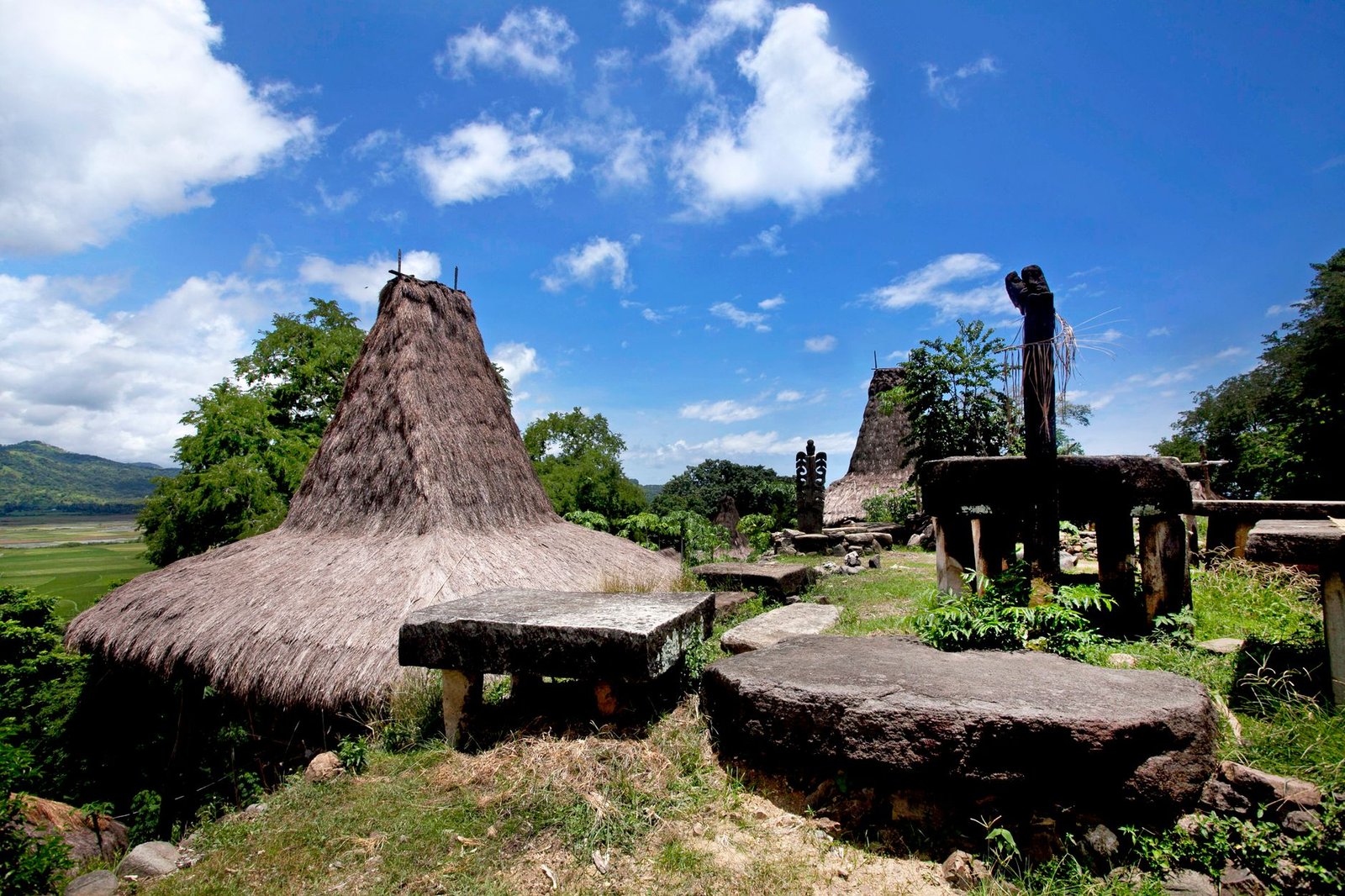
Just landed in Sumba. The air is thick, humid, and carries the scent of something earthy, mixed with a hint of woodsmoke. Right away, it’s clear this isn’t Bali. Or Lombok. Or any of the usual spots. The drive from the airport, bumpy as expected, offers the first real impression: these fields aren’t just for farming. They’re dotted with monumental stones, some standing, some still being shaped. It’s not an archaeological site you visit for history lessons; people here are still carving these massive megalithic tombs for their ancestors. This isn’t ancient history frozen in time. It’s a living tradition, happening now.
That’s the core of Sumba. It’s a place where old ways are not just preserved but actively practiced. This fact alone sets it apart. Forget chasing perfect sunsets on crowded beaches; come here to see culture that’s still very much alive, built on a foundation of respect for tradition and the spirits of the ancestors. It requires a different kind of preparation, a different mindset.
First Impressions Beyond the Stones
The infrastructure is basic, as you’d expect on a more remote island. Don’t anticipate seamless public transport or a plethora of high-end resorts. The roads, particularly once you venture off the main routes, are often unpaved and can be rough. This isn’t a place for rushing. Movement is slower, more deliberate, and you should factor that into any itinerary planning. Patience isn’t just a virtue here; it’s a necessity for getting around without undue stress.
Villages are spread out, often perched on hillsides, their traditional peaked-roof houses (uma mbatangu) distinct against the green landscape. These aren’t tourist displays; they are homes. Approaching them requires respect and, ideally, a local guide who can facilitate introductions. Showing up unannounced can be seen as intrusive. It’s a matter of cultural etiquette, something crucial to understand before you arrive.
Getting Oriented: Practicalities on the Ground
Getting your bearings on Sumba means understanding its layout and how to move between the main towns and more remote areas. Waingapu in East Sumba and Tambolaka in West Sumba are the primary points of entry, both with small airports. From there, you’re looking at private car hire, sometimes with a driver, or motorbike rentals for independent exploration. Public transport is limited to crowded local buses or shared minivans, which run on their own schedules, not yours.
Cash is essential. While some guesthouses and larger establishments in the main towns might accept cards, many places, especially in villages or smaller shops, operate solely on cash. ATMs are not widespread once you leave Waingapu or Tambolaka, so it’s wise to withdraw sufficient Indonesian Rupiah before venturing out. Connectivity for mobile phones can also be patchy, particularly in more rural areas. A local SIM card, purchased upon arrival, can be helpful for staying connected when signal is available.
Another point: don’t expect a lot of English speakers outside of established tourist operations. Having a translation app or, even better, a local guide who speaks both Indonesian and the local dialect will significantly enhance your experience and smooth over potential communication hurdles. It’s an investment that pays off in understanding and access.
A Standout Moment: Horses and Hospitality
Today, driving through a vast savanna, we rounded a bend and there they were: a herd of Sumba’s famous wild horses, grazing freely, their coats glinting in the afternoon sun. They weren’t penned in, or part of a show. They were just… living. It’s a stark reminder of the island’s untamed beauty and the deep connection the people have with their animals, particularly these horses, which are central to their culture and rituals.
Later, visiting a traditional village, the hospitality was immediate and genuine. You’re not just a spectator; you’re often invited to sit, share a betel nut chew if you’re inclined, and observe. This isn’t always comfortable if you’re used to being a passive tourist. It requires engagement, even if it’s just a smile and a nod. These aren’t performances for visitors; they are daily life, generously shared. A small donation to the village or an offering of coffee or cigarettes, arranged through a guide, is a respectful gesture.
Practical Grounding: Timing, Safety, and Costs
If you’re planning a trip to Sumba, timing is crucial for a comfortable experience. The **best time to visit is during the dry season, from May to September**. During these months, rainfall is minimal, making travel on the unpaved roads much easier and reducing the risk of being stranded by floods or impassable routes. The landscapes are also more vibrant, and outdoor activities are generally more pleasant. The wet season, from October to April, brings heavy rains, which can turn roads into muddy tracks and significantly limit accessibility to certain areas.
Safety on Sumba largely comes down to common sense and preparedness. The local people are generally welcoming, but it’s always wise to be aware of your surroundings, especially in less populated areas. Petty theft can occur, as it can anywhere, so keep valuables secure. Health precautions include drinking only bottled water, using insect repellent diligently to ward off mosquitoes, and bringing any necessary personal medications. Medical facilities outside of the main towns are limited, so a well-stocked first-aid kit for minor ailments is a good idea. Travel insurance, covering medical emergencies and potential evacuations, is non-negotiable for a trip to a place like Sumba.
Cost-wise, Sumba can be more expensive than some other parts of Indonesia due to its remote nature and less developed tourist infrastructure. Getting there, especially with connecting flights, adds up. Accommodation ranges from basic guesthouses to a handful of more upscale lodges, but don’t expect budget hostels on every corner. Transport, particularly hiring a private car and driver for several days, will be a significant expense. Eating at local warungs is affordable, but restaurants catering to tourists will charge more. Budget for a local guide, as their knowledge and connections are invaluable for accessing traditional villages and understanding the culture respectfully.
Summary
Sumba is not a destination for the casual, turn-up-and-see tourist. It requires planning, a willingness to adapt, and a genuine interest in experiencing a culture that is both vibrant and deeply rooted. But for those who are prepared, who have “done” the well-trodden paths, Sumba offers an authentic, profound travel experience. It’s a place where you don’t just see history; you see it being made, one stone carving, one traditional ceremony at a time. Come prepared, come respectful, and you’ll find an island unlike any other.
Plan your trip with TourZen.in – real itineraries, trusted local experts, one simple conversation.
Image by: Jeffry Surianto\nhttps://www.pexels.com/@andromeda99