Inside Vikos Gorge: A Hidden Gem Worth the Detour
Honestly, when the assignment for Vikos Gorge landed on my desk, my eyebrows did a little dance. “The world’s deepest gorge relative to its width,” the notes read, citing Guinness. My immediate, cynical thought? Sounds like something cooked up by a tourism board desperate to stand out. I braced myself for another underwhelming natural wonder, a glorified ditch perhaps, with a plaque claiming dubious fame. Turns out, I was spectacularly, wonderfully wrong. Two days in this corner of Greece, tucked away in the Pindus Mountains, was enough to make me eat my words – and then some.
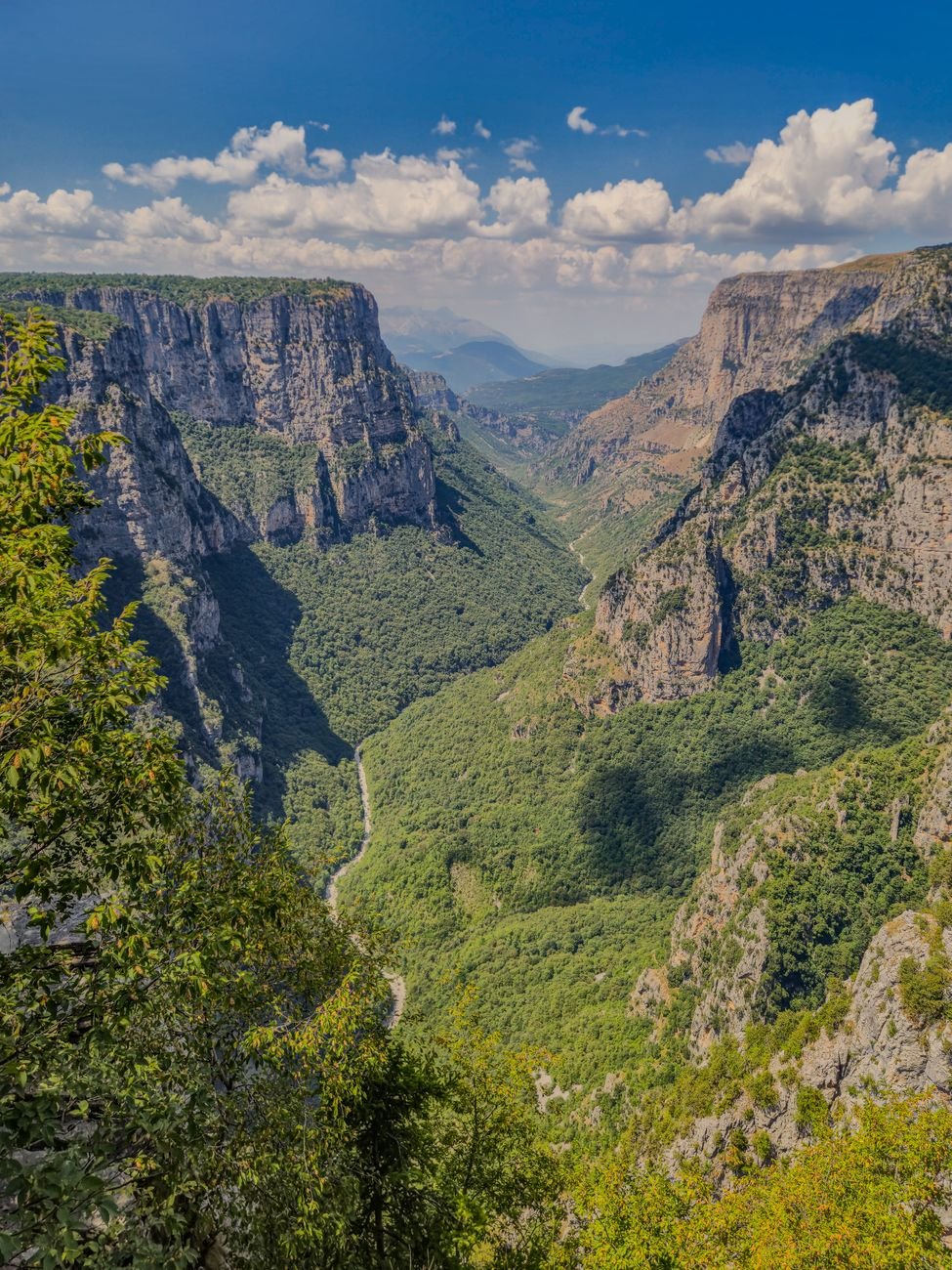
This isn’t your average Grand Canyon type of expansive panorama, which is what I’d subconsciously prepared myself for. Vikos operates on a different, more intimate, yet equally staggering scale. Its sheer verticality, the way the forest-clad walls plunge hundreds of meters while remaining surprisingly close, is what truly defines it. You don’t just look *at* Vikos Gorge; you feel like you’re standing on its very rim, peering into another world. And for that, two days is surprisingly ample time to fall under its quiet, imposing spell.
Day 1 – Plunging into the Depths of Expectation
-
Morning: Oxia Viewpoint and the Whisper of the Void
After a somewhat winding drive (seriously, don’t expect autobahns here), we made it to the Oxia Viewpoint. I’d seen photos online, of course, but nothing really prepares you for the sheer drop. I was expecting a nice view, perhaps a slightly deeper-than-average valley. Instead, I found myself gazing into what felt like a geological scar on the Earth’s face, an impossibly deep incision. The “relative to width” claim suddenly made perfect sense. The opposing wall felt close enough to touch, yet terrifyingly far down. The silence, broken only by a distant bird, was profound. It felt less like a tourist spot and more like a privileged peek into something ancient and powerful. It’s accessible enough that you don’t need to be an intrepid hiker to appreciate it, which was a relief to my initially skeptical self.
-
Afternoon: Monodendri Village and the Agios Paraskevi Monastery
Down from the dizzying heights, we headed to Monodendri, one of the picturesque stone villages perched on the gorge’s edge. This place is all traditional stone houses, cobbled streets, and a quiet pace of life. It’s what you imagine a quaint Greek mountain village to be, minus the tourist hordes. From Monodendri, a short, easy walk leads to the Agios Paraskevi Monastery, which, let’s be honest, is mostly about the mind-blowing views it offers from its balcony. You’re practically hanging over the gorge here, looking back at the massive scale you just witnessed from Oxia. It’s an almost humbling experience, and a great spot to just sit and contemplate the audaciousness of nature. I confess, my initial cynicism was starting to erode at this point.
-
Evening: Zagorian Charm and Local Flavours
Dinner in Monodendri was in a small, family-run taverna – no frills, just incredibly flavourful local dishes. I wasn’t expecting a culinary revelation, but the hearty stews and pies were exactly what was needed after a day of taking in such grand scenery. The air was cool and crisp, and the sky overhead was a velvet canvas of stars, unpolluted by city lights. It was a stark contrast to the bustling Greek islands, and a welcome one. It felt authentic, not curated for the tourist gaze, and by this point, I was genuinely appreciating the quiet charm of the place, rather than just mentally checking it off a list.
Day 2 – From Scepticism to Serenity
-
Morning: Vitsa and the Stone Arches
Day two started with a visit to Vitsa, another gorgeous stone village nearby. The Zagori region, where Vikos Gorge resides, is famous for its unique stone architecture and arched bridges. I’d read about them, but figured they’d be… well, just bridges. But these aren’t just functional crossings; they’re works of art, testament to a bygone era of masterful craftsmanship. We took a short hike down to one of the most famous, the Kalogeriko Bridge (also known as Plakidas Bridge), a triple-arched beauty spanning the Voidomatis River. The river itself, with its startlingly clear, turquoise water, was another pleasant surprise. It’s unbelievably cold, even in summer, but incredibly inviting. Standing by this ancient bridge, listening to the river, felt like stepping into a different century. It’s a gentle introduction to the area’s smaller wonders after the previous day’s geological drama.
-
Afternoon: Papingo Villages and the Kolymbithres
Next up, the twin villages of Mikro Papingo and Megalo Papingo. These villages are arguably the most iconic in Zagori, clinging to the slopes of the impressive Astraka peaks. I was half-expecting them to be overrun, given their fame, but even in May, they held a serene beauty. They’re postcard-perfect, with their slate roofs and commanding mountain backdrops. Near Mikro Papingo, we found the ‘Kolymbithres’ or ‘Ovires’, natural rock pools formed by the river. This was an unexpected highlight. After all the grandeur of the gorge, finding these whimsical, smooth-sided pools, perfect for a refreshing dip (if you’re brave enough for the icy water!), was a delightful end to the day’s exploration. It was a reminder that even the most dramatic landscapes hold pockets of playful beauty.
-
Evening: Final Reflections and Unwinding
Our final evening was spent back in a quiet taverna, perhaps in Aristi or one of the smaller villages, just soaking in the atmosphere. There’s a particular kind of peace here, a sense of being far removed from the everyday hustle. My initial skepticism about Vikos Gorge, this “deepest relative to width” curiosity, had completely evaporated. It wasn’t just a geographical oddity; it was a deeply immersive experience. The quiet grandeur, the unpretentious villages, the clarity of the water – it all combined to create a memorable, genuinely surprising trip. This place earned its Guinness mention, not just for its dimensions, but for the profound impression it leaves.
Getting There & Getting Around
Getting to Vikos Gorge pretty much requires a car. While there might be sporadic local buses to larger towns like Ioannina, to properly explore the villages and viewpoints around the gorge (like Oxia, Monodendri, Papingo), a rental car is essential. Ioannina has an airport with connections from Athens, and it’s about an hour’s drive from there to the heart of the Zagori region. The roads within Zagori are generally well-maintained but can be narrow and winding, so take your time and enjoy the scenery. There are no public transport options within the villages themselves, so plan on driving between them or enjoying leisurely walks if you’re staying put.
The best time to visit Vikos Gorge and the Zagori region is generally from May to October. Outside of these months, snowfall can make some roads inaccessible, and many guesthouses and tavernas might be closed. Summer offers warmer temperatures perfect for hiking, but spring and autumn provide beautiful foliage and fewer crowds. Safety is generally not a concern in this peaceful region, but as always, exercise common sense when hiking and be aware of wildlife.
Summary
I came to Vikos Gorge with a healthy dose of skepticism, fully expecting to find a tourist trap relying on a quirky statistic. What I found instead was a place of profound natural beauty, a truly unique geological marvel that somehow manages to remain understated and authentic. The villages, the ancient bridges, the incredible vistas – it all added up to an experience that genuinely surprised me. If you’re looking for something off the well-trodden path, a place that defies expectations and offers a quiet grandeur that’s unlike anywhere else in Europe, then Vikos Gorge isn’t just worth the detour; it’s worth making it a destination in itself. Sometimes, the lesser-known spots are the ones that leave the deepest impression.
Plan your trip with TourZen.in – real itineraries, trusted local experts, one simple conversation.
Image by: Cristinel Martinescu\nhttps://www.pexels.com/@cristinel-martinescu-2156727281