The Case for Visiting Gorges du Verdon Before Everyone Else Does
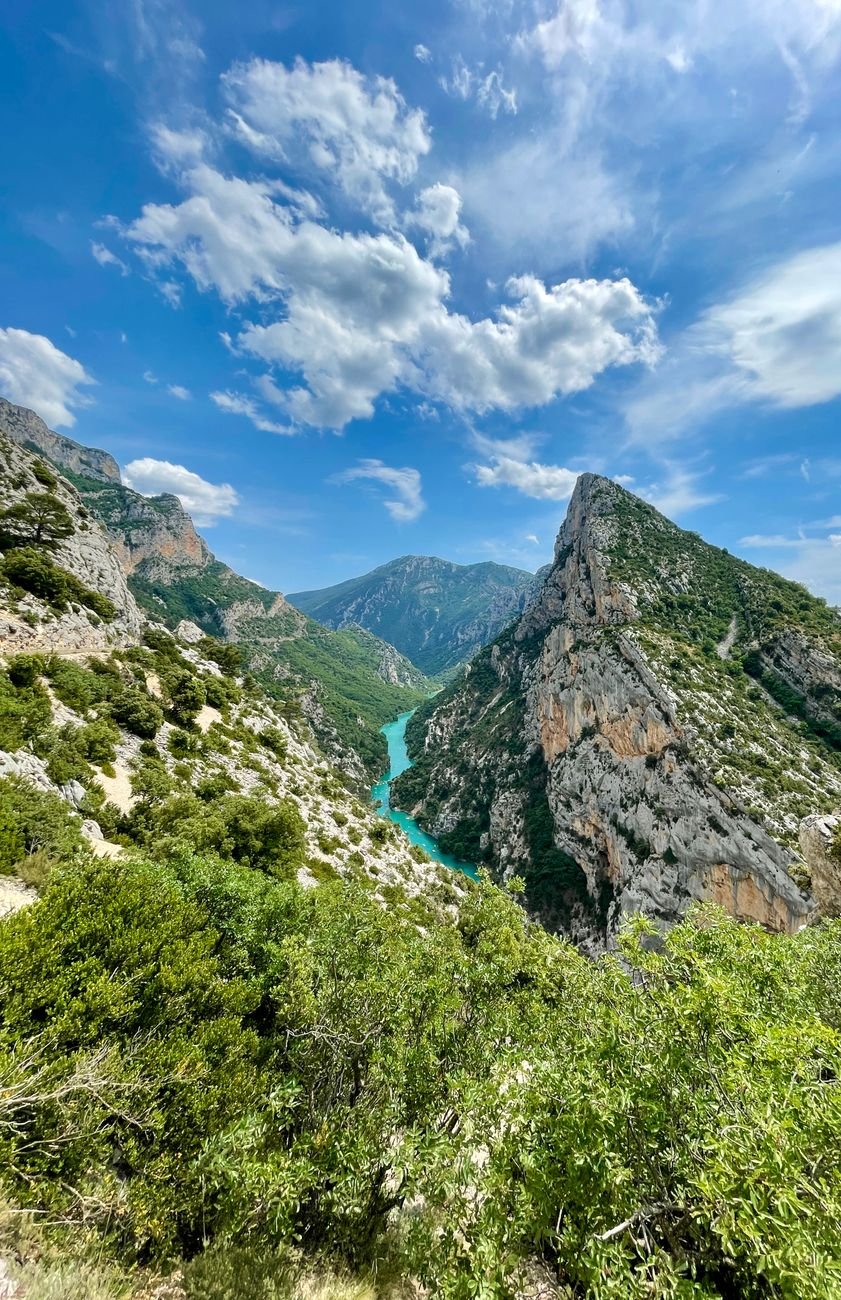
There’s a common mistake in travel planning: over-romanticizing a destination’s appeal without considering the practicalities. The Gorges du Verdon, Europe’s largest canyon, presents an interesting case study. You see the photos: that intense turquoise river, slicing through limestone cliffs in Provence. It looks idyllic. The question, always, is whether it delivers on a short timeline without becoming an logistical headache. For this particular destination, two days is not just enough; it’s the sweet spot for maximum impact with minimal fuss.
The core of its allure lies hundreds of meters below the rim road: the Verdon River itself. That distinctive, almost unnaturally vibrant turquoise isn’t a filter trick; it’s a mineral reaction from glacial melt and limestone. Experiencing the canyon isn’t just about gazing down from above; it’s about getting into that water. And that, surprisingly, is entirely manageable within a compact trip, provided you plan for it.
Forget the notion that you need a week to ‘immerse’ yourself. What you need is efficient planning. This isn’t a place for languid, unplanned wandering if you want to see the best bits without feeling rushed or overwhelmed. It’s a destination that rewards a clear agenda. Two full days allow for a comprehensive, yet realistic, engagement with both the views from the top and the river experience below, ensuring you get the full scope of what makes this place genuinely remarkable before it becomes another over-touristed hotspot.
Day 1
-
Morning: Rim Road Reconnaissance (Route des Crêtes)
Upon arrival, your immediate priority should be the scenic overview. Renting a car is non-negotiable for this region; public transport options are virtually non-existent for exploring the canyon properly. Head directly for the D23, also known as the Route des Crêtes, on the north rim. It’s a one-way loop for much of its length, which simplifies navigation significantly. Start early to avoid the mid-day rush at popular viewpoints.
Your goal this morning is to establish a mental map of the canyon’s scale and identify potential access points for the water below. Pull over at the various ‘belvederes’ – designated viewpoints. Don’t just snap a photo; observe the river’s path, identify the sections where boats are visible, and get a sense of the sheer drops. This isn’t just sightseeing; it’s operational intelligence for tomorrow’s activities. The logistics of getting down to the water will make more sense once you’ve seen it from above.
-
Afternoon: East Rim & Moustiers-Sainte-Marie
After completing the Route des Crêtes, continue east towards Castellane, but make a point to drive a section of the D952. This eastern stretch offers a slightly different perspective, often less crowded than the northern rim. The views are still spectacular, and it allows for a practical shift in scenery.
Before the day gets too late, detour slightly to Moustiers-Sainte-Marie. It’s listed as one of France’s “Most Beautiful Villages,” and while I’m generally wary of such labels, its practicality lies in its amenities. It’s a functional base with restaurants and a few shops for any forgotten essentials. More importantly, it offers a distinct change of pace from the raw canyon landscape, providing a brief, charming contrast and a decent place for an early dinner.
-
Evening: Practicality & Planning
After dinner, return to your accommodation. Connectivity can be spotty in this region, so download offline maps and any rental information in advance. Use this time to confirm your plan for Day 2, particularly your chosen water activity and its precise location. Research parking near the water access points – this is often the biggest bottleneck. A clear plan tonight means less wasted time tomorrow morning.
Day 2
-
Morning: Getting on the Water
This is where the Gorges du Verdon truly reveals itself. Head to Sainte-Croix-du-Verdon or Les Salles-sur-Verdon. Both towns sit on the Lac de Sainte-Croix, the artificial lake at the western end of the canyon where the river enters. From here, you can rent kayaks, pedal boats, or electric boats to navigate a good stretch of the canyon.
Arrive early – rental queues can build quickly, especially during peak season (May-September). Opt for a kayak or pedal boat if you want to get further into the gorge; the electric boats are a good option for those wanting less physical exertion but generally don’t go as deep. The sensation of paddling through those towering cliffs, with the clear water beneath, is the essential experience here. It’s physically engaging but incredibly rewarding. Don’t forget water, sunscreen, and a waterproof bag for your phone.
-
Afternoon: Lakeside Relaxation & Logistics
After your time on the water, the shores of Lac de Sainte-Croix offer a practical spot to unwind. There are plenty of public beaches and areas for swimming. It’s a good transition from the strenuous activity of the gorge itself, allowing for a more relaxed pace without feeling like wasted time. Grab a casual lunch at one of the lakeside eateries. This is also a good opportunity to dry off and reset before your onward journey or return home.
Consider the logistics of packing up your rental car and ensuring you have enough fuel for your departure. While scenic, the winding roads can consume more gas than anticipated, and stations are not always frequent outside the main towns.
-
Evening: Departure or Local Fare
Depending on your next destination, you might choose to begin your drive out of the region in the late afternoon. If your schedule allows for another night, explore a different local village for dinner, perhaps Bauduen or Aiguines, both offering their own charm without requiring extensive exploration. The goal is a final, efficient meal before concluding your two-day immersion. Remember that many smaller establishments in rural France keep specific opening hours, so always check in advance to avoid disappointment and logistical snags.
Getting There & Getting Around
The Gorges du Verdon, while stunning, is not a destination for those who dislike driving. Access is almost exclusively by car. The nearest major airports are Marseille Provence (MRS) or Nice Côte d’Azur (NCE). From either, a rental car is essential for reaching the canyon and navigating its rim roads and access points.
Driving times from these airports are typically around 1.5 to 2 hours to the western entrance of the gorge (e.g., Lac de Sainte-Croix area). Roads are generally well-maintained but can be narrow and winding, especially on the scenic routes around the canyon rim. Fuel stations are available in larger towns like Castellane and Riez, but it’s always prudent to keep your tank topped up.
There are no significant public transport links that will get you into or around the Gorges du Verdon effectively. Taxis exist, but relying on them for multi-point exploration would be prohibitively expensive and logistically complicated. Plan on a car. Parking can be an issue at popular viewpoints and water access points, especially in high season, so arriving early is always recommended.
Summary
The Gorges du Verdon, with its extraordinary turquoise river and towering limestone, isn’t just a picturesque spot; it’s a genuinely impactful two-day destination, provided you approach it with a clear, practical plan. It rewards efficiency and forethought, delivering stunning natural beauty without requiring an extended stay. Focus on getting above and, critically, into the water, and you’ll experience its best within a manageable timeframe.
Plan your trip with TourZen.in – real itineraries, trusted local experts, one simple conversation.
Image by: Catherine Kozdoba\nhttps://www.pexels.com/@catherine-kozdoba-2160948963