Mantua, Italy: Seriously, Is This the Most Underrated Renaissance Gem You’re Missing?
Alright, listen up. We all know Italy has its fair share of stunners – Rome, Florence, Venice, the usual suspects. And don’t get me wrong, they’re gorgeous. But if you’re like me, constantly hunting for that sweet spot where history meets beauty without the shoulder-to-shoulder crowds and sky-high prices, then you need to put Mantua on your radar. This isn’t just another pretty Italian town; it’s a city that practically floats, a Renaissance marvel with a watery secret. Trust me, once you see how those lakes define it, you’ll wonder why it took you so long to discover.
So, What’s the Deal with Mantua and These Lakes Everyone’s Talking About?
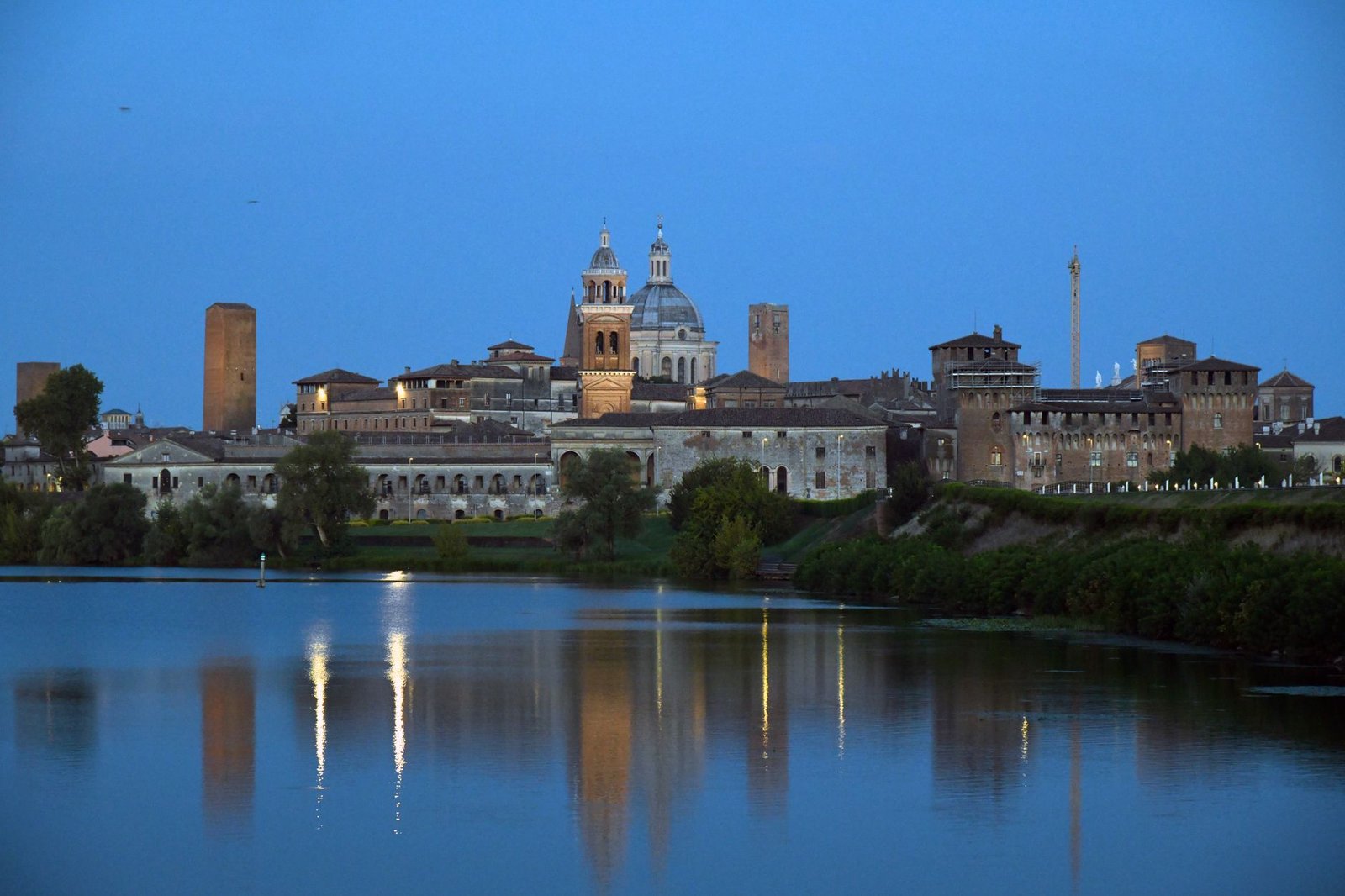
Here’s the absolute kicker, the thing that makes Mantua unlike almost any other city in Italy: it’s nearly an island. Seriously. This isn’t some seaside town; it’s practically embraced by three artificial lakes – Lago Superiore, Lago di Mezzo, and Lago Inferiore. And when I say “artificial,” I don’t mean some modern concrete monstrosity. These were ingeniously engineered way back in the 12th century, damming up the Mincio River to create a formidable natural defense. You can practically feel the history of it, imagining invaders looking across that water and thinking, “Nope.”
But it’s not just about defense. These lakes dictated *everything*. They shaped the city’s skyline, influenced its architecture, and gave it this incredibly serene, almost ethereal vibe. Walking along the Lungolago, you get these breathtaking reflections of ancient palaces on the water – especially around sunset. It’s a photographer’s dream and a budget traveler’s free entertainment. The water isn’t just an adornment; it’s the very foundation of Mantua’s unique character. It’s why the city looks the way it does, why it feels so contained and precious, almost like a secret garden protected by a moat.
When’s the Best Time to Hit Up Mantua Without Draining Your Wallet?
If you’re smart (and I know you are), you’ll aim for either spring (April to June) or early autumn (September to October). This is the sweet spot. The weather is fantastic – warm enough for comfortable exploring but not the stifling heat of July and August. Plus, you’ll dodge the thickest crush of summer tourists, which means slightly more breathable streets, potentially better deals on accommodation, and a generally more relaxed atmosphere. Think pleasant strolls, al fresco dining without a massive wait, and clearer views of those stunning lake reflections.
Coming in peak summer means hotter temperatures, which can make exploring those magnificent Gonzaga palaces a bit sweaty, and generally higher prices for everything from gelato to guesthouses. Winter, while atmospheric, can be chilly and some outdoor activities around the lakes might be less appealing. So, for maximum enjoyment and minimum financial pain, stick to the shoulder seasons. Your future self (and your wallet) will thank you.
Is Mantua Just Another Pretty Italian City, Or Does It Have Something Special for a Backpacker Like Me?
Okay, here’s the real talk: Mantua isn’t just “another pretty Italian city.” It’s Italy, distilled, but with a unique twist that genuinely sets it apart. While places like Florence and Venice often feel like beautifully preserved museums, Mantua still feels like a living, breathing city where locals outnumber tourists. And for a backpacker, that’s golden. You get that authentic Italian experience without feeling like you’re stuck in a human traffic jam.
Its main draw, the sprawling Palazzo Ducale, home to the Gonzaga family for centuries, is an absolute jaw-dropper. Forget what you think you know about palaces; this place is a city within a city, packed with courtyards, gardens, and rooms dripping with frescoes by master artists like Andrea Mantegna. It’s truly worth the entrance fee – budget for it, because skipping it would be like going to Paris and not seeing the Eiffel Tower. But beyond the big-ticket items, Mantua offers genuine charm. Wander the cobbled streets, soak in the Piazza Sordello, grab some local food (try the tortelli di zucca – pumpkin-filled pasta, it’s a game changer!) at a non-touristy trattoria. It feels genuinely undiscovered, and that’s a special kind of treasure.
How Do I Even Get Around Mantua, and What’s Worth My Precious Euros?
Getting to Mantua is pretty straightforward by train from major hubs like Milan, Verona, or Bologna, making it an easy add-on to a Northern Italy itinerary. Once you’re there, forget about needing a car or even public transport for the most part. Mantua is wonderfully compact and incredibly walkable. Your best bet for getting around is your own two feet. You can traverse the entire historic center in a day, letting you stumble upon hidden piazzas and charming cafes.
As for what’s worth your euros? Definitely the Palazzo Ducale – it’s an investment, but a worthwhile one for the sheer scale and artistry. Beyond that, honestly, so much of Mantua’s charm is free. Walking the perimeter of the lakes, especially early morning or at sunset, offers views that money can’t buy. Renting a bike for a few hours to explore the lakeside paths is also a fantastic value option. Save your money on pricey souvenirs and instead splurge on local food. Those pumpkin tortelli I mentioned earlier, or sbrisolona (a crumbly almond cake) – these are the authentic tastes of Mantua and far more memorable than a keychain. Skip the fancy tours unless they offer something truly unique; Mantua is best explored at your own pace.
Is Mantua Safe for a Solo Traveler, and Will I Need a Small Loan Just to Visit?
Mantua is generally very safe, much like most smaller Italian cities. Standard travel common sense applies: keep an eye on your belongings in crowded areas, especially around train stations, but serious crime is rare. As a solo traveler, you’ll find it very comfortable to navigate both day and night. The atmosphere is calm and inviting, not overwhelming.
Now, about the money – you definitely won’t need a small loan! Compared to tourist magnets like Venice or Florence, Mantua offers incredible value. Accommodation tends to be more reasonably priced, especially if you book in advance or opt for a charming guesthouse slightly outside the absolute center. Food is also generally cheaper and more authentic, as it’s catering to locals rather than a tourist premium. You can easily find delicious, hearty meals without breaking the bank. As for visas, if you’re coming from outside the Schengen Area, you’ll need the standard Schengen visa, just like for any other country in the zone. But for the daily spend, Mantua is wonderfully accessible for the budget-conscious traveler looking for a rich cultural experience without the sticker shock.
Summary
So, there you have it. Mantua isn’t just another entry on Italy’s long list of beautiful places; it’s a genuine standout. Its history, its art, and most importantly, its unique relationship with those encircling lakes, create a destination that feels both grand and intimate. It’s the kind of place where you can wander for hours, soak in centuries of history, and feel like you’ve truly discovered something special, all without battling crowds or emptying your savings. For the savvy traveler who appreciates authenticity, beauty, and a good value, Mantua is an absolute no-brainer. Go now, before everyone else catches on.
Plan your trip with TourZen.in – real itineraries, trusted local experts, one simple conversation.
Image by: Serena Koi\nhttps://www.pexels.com/@serenakoi