The Case for Visiting Bukittinggi Before Everyone Else Does
Honestly, when West Sumatra came up, my first thought, like probably everyone else’s, drifted to beaches. Indonesia, after all, has an undeniable reputation for them. My mental map was all white sand and turquoise water, maybe a volcano peeking out in the distance. But Bukittinggi? The name itself felt… unfamiliar, a bit clunky. Online, the photos showed canyons. Canyons in Sumatra. I went in with low expectations, picturing some mildly interesting gully. I was entirely, wonderfully wrong.
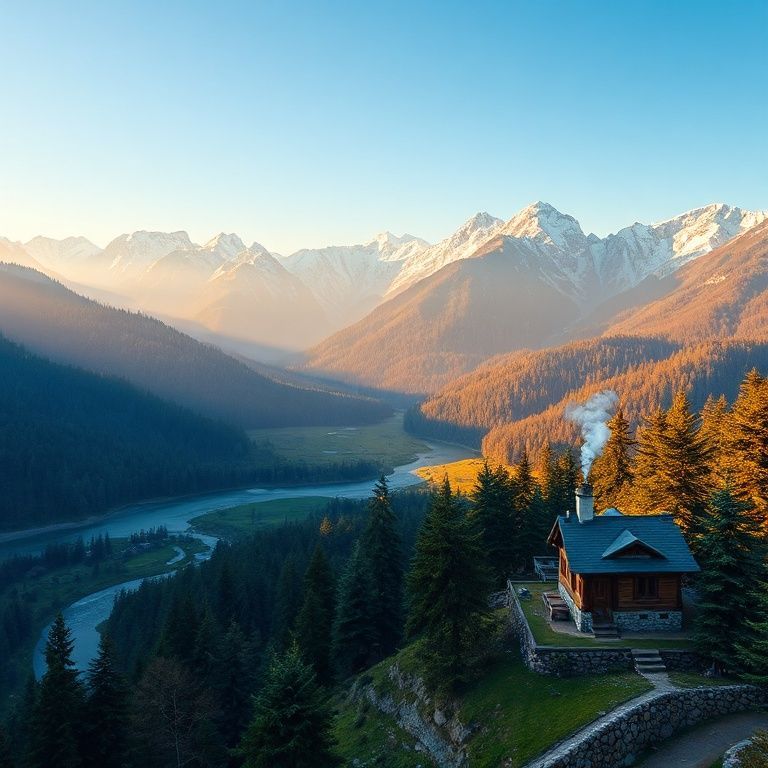
The first time I saw Ngarai Sianok, the Sianok Canyon, it was less a view and more a revelation. Forget a gully. This is a crack in the earth, deep and dramatic, stretching out like a verdant wound across the landscape. My first glimpse was from Panorama Park, and it absolutely flattened whatever preconceived notions I had clinging stubbornly to the back of my mind. It wasn’t just big; it was *ancient*. The light, particularly in the mornings or late afternoons, played tricks, making the steep, forested walls seem to breathe, the river a silver ribbon far below. It was the kind of vista that pulls the air from your lungs and leaves you speechless, making you wonder why it isn’t plastered across every travel magazine.
An Unhurried Pace, A Highland Breeze
Bukittinggi itself sits cool and calm, a highland town with a perpetual breeze that feels like a balm after the equatorial humidity elsewhere. It’s ringed by volcanoes, Merapi and Singgalang, their peaks often shrouded in a mystical haze. This isn’t a place that rushes you. Life unfolds at a gentler rhythm. Mornings often begin with the calls to prayer drifting across the rooftops, followed by the clatter of street vendors setting up. There’s a quiet dignity to the town, a sense of having been here for a very long time, unbothered by the frantic pace of the outside world.
I’d read about Minangkabau culture, of course – the matrilineal society, the distinctive horn-shaped roofs of their traditional houses. But seeing it in person, especially in the villages just outside Bukittinggi, was something else. Pagaruyung Palace, a magnificent reconstruction, felt like stepping into a living storybook. But it was the smaller, everyday structures, the rumah gadang, dotted amongst rice paddies and swaying palms, that truly captivated. Each seemed to have a history etched into its timbers, a silent testament to a rich and complex heritage that felt a world away from any tourist trap.
The Food That Surprised Me
Before arriving, my Indonesian food experience had been mostly limited to variations of Nasi Goreng and Satay. Good, yes, but I wasn’t expecting an entirely new culinary universe. Bukittinggi introduced me to the glorious, fiery, and deeply flavourful world of Minang cuisine. Rendang, naturally, was everywhere, slow-cooked to perfection, each bite a symphony of spices. But it was the lesser-known dishes that truly broadened my horizons: Gulai Itiak Lado Mudo (duck in green chili curry), a revelation of tender meat and vibrant heat; Sate Padang, with its thick, savory sauce unlike any other satay I’d tried. There’s a reason Padang food is famous across Indonesia, and here, at its source, it tasted richer, more authentic, more *itself*.
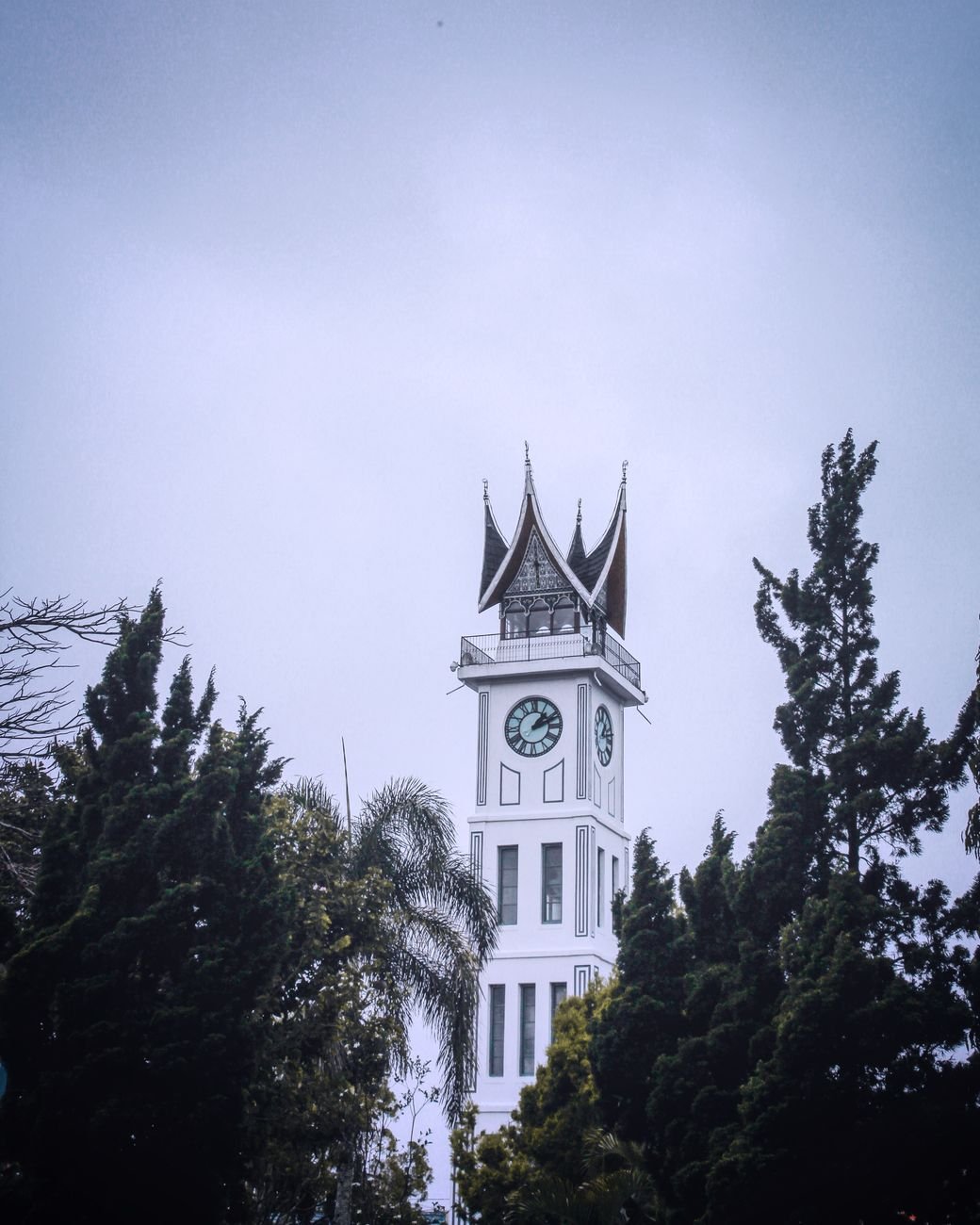
Evenings were spent wandering the town square, sampling street food, and just watching people. The Jam Gadang, a clock tower that’s a local icon, glowed softly, casting long shadows. There were no flashing neon lights, no overly aggressive touts, just the gentle hum of conversations, the aroma of spices wafting from warungs, and the genuine warmth of the locals. It felt like a secret I was privileged to be let in on.
Practical Basics, Woven In
For those considering a trip, the cooler, drier months of June to August are generally considered the sweet spot. The air is crisp, the skies often clear, making those dramatic canyon views and volcano treks all the more spectacular. Getting around Bukittinggi and its surroundings is relatively straightforward; local minivans (angkot) are ubiquitous, and hiring a car with a driver for day trips to the villages or longer hikes is easy enough to arrange. It’s an incredibly welcoming destination, and while a basic grasp of Bahasa Indonesia is always appreciated, many in the tourism sector have enough English to bridge any gaps.
Compared to some of Indonesia’s more famous spots, Bukittinggi feels remarkably affordable. Accommodation, food, and transport won’t break the bank, allowing you to linger longer and explore more deeply without constant budget worries. As with most places, common sense regarding personal belongings and being aware of your surroundings goes a long way. But overall, it felt safe and refreshingly laid-back, a place where you can relax into the local rhythm.
A Place I Didn’t Expect to Love
Bukittinggi didn’t just meet my low expectations; it completely obliterated them and then built something beautiful in their place. It’s a destination that doesn’t shout for attention, preferring instead to quietly impress with its raw natural beauty, its rich cultural tapestry, and its genuinely welcoming atmosphere. It’s not just a stopover; it’s a destination in its own right, one that offers a glimpse into an Indonesia that feels refreshingly authentic and profoundly beautiful, far removed from the well-trodden paths. Go before everyone else figures it out.
Plan your trip with TourZen.in – real itineraries, trusted local experts, one simple conversation.
Image by: Farizky M Ginanjar\nhttps://www.pexels.com/@farizky-m-ginanjar-1224518